 EN
EN

What-Superalloy-Materials-Fit-High-Load-gas-turbine-compressor-Operation, What-Superalloy-Materials-Fit-High-Load-gas-turbine-compressor-Operation, /news
EN
2026/08/04
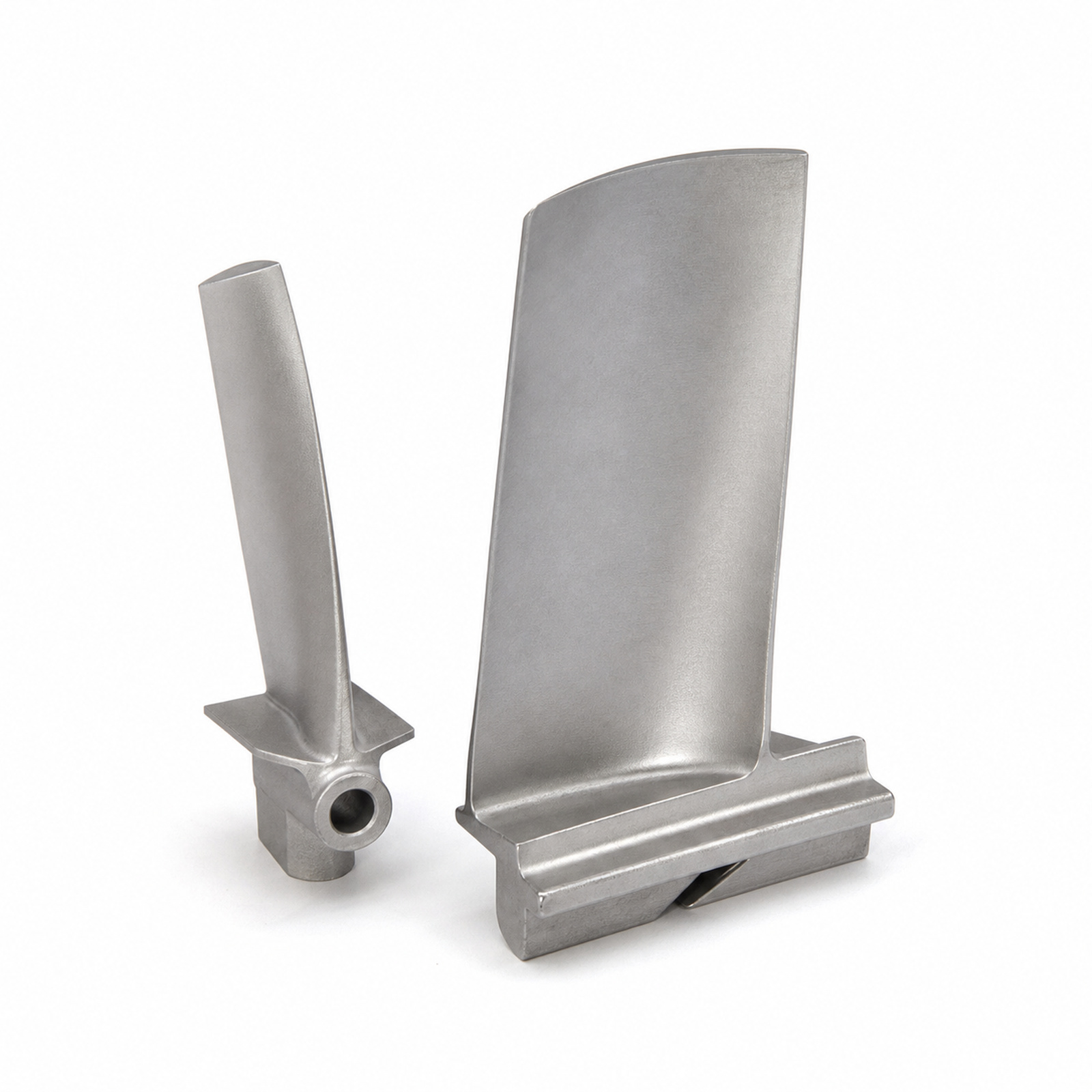
Why Nickel-Based Superalloys Dominate Gas Turbine Compressor Blades and Disks
In the demanding field of aerospace propulsion, the selection of gas turbine compressor materials is a decision that defines the operational limits of the entire engine. For the rotating blades and disks that must withstand extreme centrifugal forces and searing temperatures, nickel-based superalloys have become the undisputed industry standard. Their dominance is not accidental; it is the result of a unique metallurgical architecture that provides an unparalleled combination of strength, creep resistance, and fatigue life. The performance of these high-load turbine alloys under the most severe operating conditions is a testament to decades of materials science innovation. Understanding the mechanisms of γ′ precipitation strengthening, the critical role of creep-resistant superalloys, and the trade-offs between nickel and cobalt-based alternatives is essential for any engineer involved in turbine design or maintenance.
The Dual-Strengthening Metallurgy of Nickel-Based Superalloys
The exceptional performance of nickel-based superalloys in compressor applications is rooted in a synergistic dual-strengthening mechanism. The first pillar is solid-solution hardening, where refractory elements such as molybdenum, tungsten, and chromium are dissolved into the nickel matrix. These atoms distort the crystal lattice, creating a formidable barrier to dislocation motion. The second, and more potent, mechanism is γ′ precipitation strengthening. This process involves the formation of coherent, nanoscale Ni₃(Al,Ti) precipitates within the austenitic matrix. These precipitates form an ordered L1₂ structure that acts as a powerful obstacle to dislocation glide. Crucially, the strengthening effect of these precipitates anomalously increases at elevated temperatures, a rare characteristic that is vital for resisting creep under sustained high-stress operation. This combined metallurgical action is what makes nickel-based superalloys the benchmark for high-load turbine alloys in modern compressors.
The theoretical advantages of nickel-based superalloys are validated through real-world application in the harshest environments. For example, the intermediate-pressure compressor disks of a leading military fighter engine rely on a specific nickel-based superalloy to maintain structural integrity. This alloy, containing a precise balance of nickel, chromium, iron, niobium, and molybdenum, is engineered to provide exceptional creep resistance at the elevated rim temperatures. The finely dispersed γ′ phase within its microstructure pins dislocations and inhibits grain boundary sliding. Its successful deployment confirms that optimized γ′ precipitation strengthening, combined with refined grain structure and controlled carbide distribution, translates directly into long-term, reliable performance. This field application demonstrates why gas turbine compressor materials must be selected with such care, and why creep-resistant superalloys are non-negotiable for safety-critical rotating parts.
Creep Resistance and Microstructural Stability at Elevated Temperatures
Above a certain threshold, typically around 650°C, creep becomes the dominant failure mechanism in multi-stage compressor rotors. This time-dependent deformation is driven by sustained centrifugal stress, which can cause dislocation climb and grain boundary sliding. This manifests as blade elongation, disk bore cracking, or dovetail joint failure. The design of creep-resistant superalloys is specifically targeted at mitigating these risks. A robust nickel-based superalloy utilizes stable γ′ precipitates to pin dislocations, while refractory solutes suppress diffusion-controlled deformation. Furthermore, carefully distributed carbides at the grain boundaries inhibit sliding between grains. For the hottest aft stages of a compressor, maintaining a stable, fine-scale γ′ dispersion is essential for safe, extended service life. This is a defining characteristic of high-load turbine alloys designed for continuous operation.
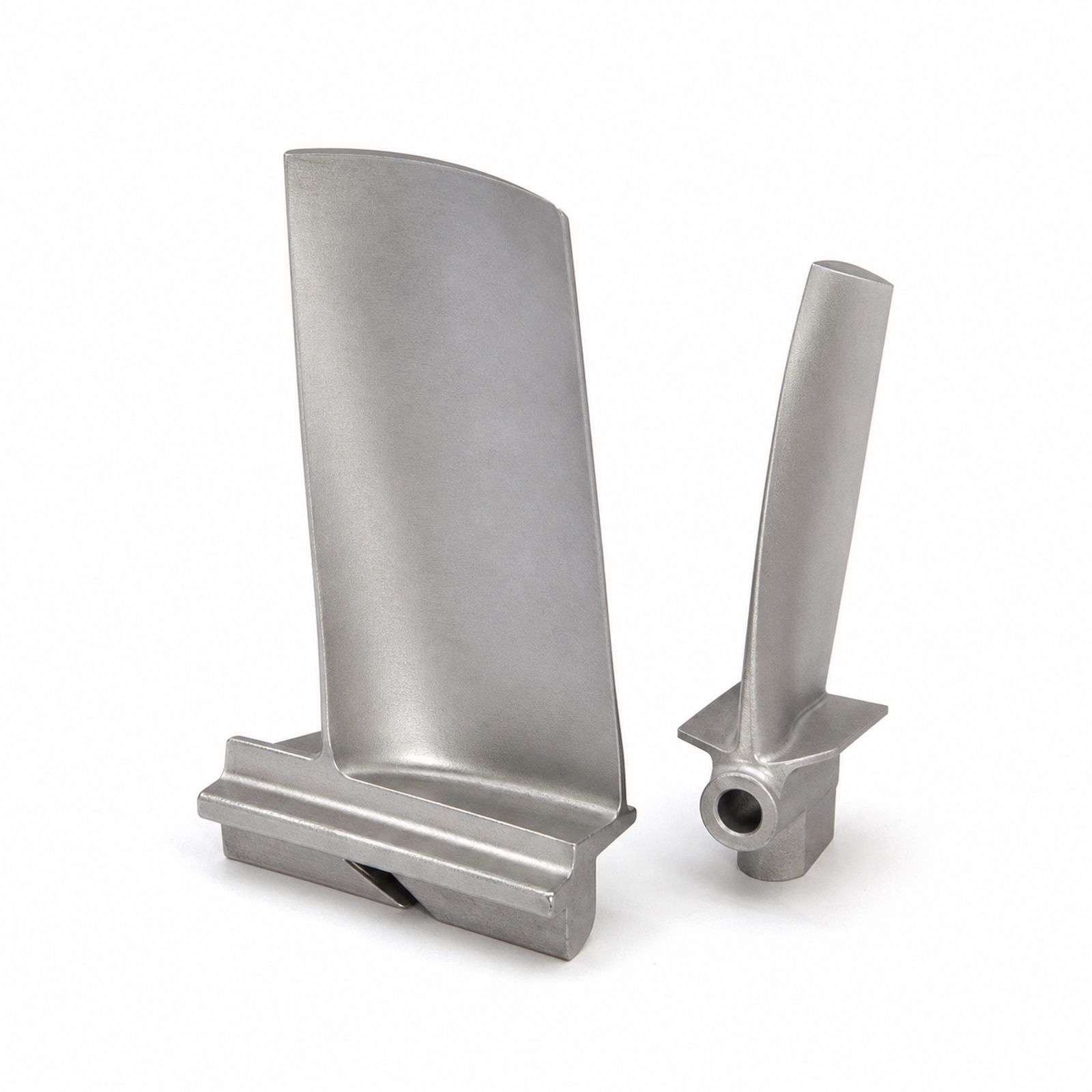
Role of Phase Coherency and Oxidation Resistance
The long-term endurance of gas turbine compressor materials depends critically on maintaining the coherency of the strengthening phases with the matrix. Coherent interfaces between the γ′ precipitates and the nickel matrix are essential for maximizing resistance to dislocation bypass. However, prolonged exposure to temperatures near the solvus can trigger coarsening or dissolution of these precipitates, leading to irreversible strength loss. Even below this critical point, gradual precipitate growth over time degrades creep performance. Simultaneously, the material must resist oxidation. The formation of a protective chromia scale is essential; if it spalls, the underlying alloy is depleted of aluminum and titanium, destabilizing the very phases that provide strength. Modern creep-resistant superalloys are formulated with optimized levels of cobalt, molybdenum, and tungsten to slow diffusion kinetics and improve phase stability, ensuring the high-load turbine alloys can withstand years of service.
When selecting gas turbine compressor materials, engineers must weigh the distinct trade-offs between nickel-based and cobalt-based superalloys. Nickel-based superalloys, such as Inconel 718, deliver a superior strength-to-density ratio and excellent fatigue resistance through γ′ precipitation strengthening. This makes them the preferred choice for rotating blades and disks, where weight reduction is critical. Cobalt-based alloys offer exceptional hot corrosion resistance and high-temperature thermal stability, but they are heavier and possess lower intrinsic strength. The density of a rotating disk is a decisive factor, as it directly impacts the centrifugal stress on the component. Nickel-based superalloys are significantly lighter than their cobalt-based counterparts, which reduces stress and enables higher rotational speeds. This lightweight advantage, combined with their superior low-cycle fatigue performance, solidifies nickel-based superalloys as the material of choice for fatigue-critical rotating hardware.
Optimizing Low-Cycle Fatigue Life
Low-cycle fatigue (LCF) is the dominant life-limiting factor during the repeated start-stop cycles of a gas turbine. The LCF performance of high-load turbine alloys is heavily influenced by grain size and the distribution of strengthening phases. Inconel 718, a standard nickel-based superalloy, achieves optimal LCF performance through a controlled forging process and a precise double-aging heat treatment. This processing route produces a fine, uniform grain structure that enhances tensile strength while preserving adequate creep resistance. The balance of fatigue toughness, manufacturability, and proven field reliability is what makes nickel-based superalloys the definitive standard for compressor components. Their ability to withstand millions of stress cycles without cracking is a direct result of the robust γ′ precipitation strengthening mechanism.
The Future of High-Performance Compressor Alloys
The ongoing development of nickel-based superalloys and other gas turbine compressor materials is focused on pushing the boundaries of temperature capability and mechanical strength. Research into advanced processing techniques, such as additive manufacturing and single-crystal casting, is aimed at producing components with even more uniform microstructures. The goal is to create creep-resistant superalloys that can operate reliably at temperatures approaching 800°C, further improving the efficiency of next-generation turbines. As the demand for higher performance and lower emissions continues to grow, the role of nickel-based superalloys in providing the necessary material properties for these high-load turbine alloys will only become more critical.