 EN
EN

What-Weight-Range-Can-A-Professional-Factory-Produce-For-Turbine-forged-part, What-Weight-Range-Can-A-Professional-Factory-Produce-For-Turbine-forged-part, /news
EN
2026/08/20
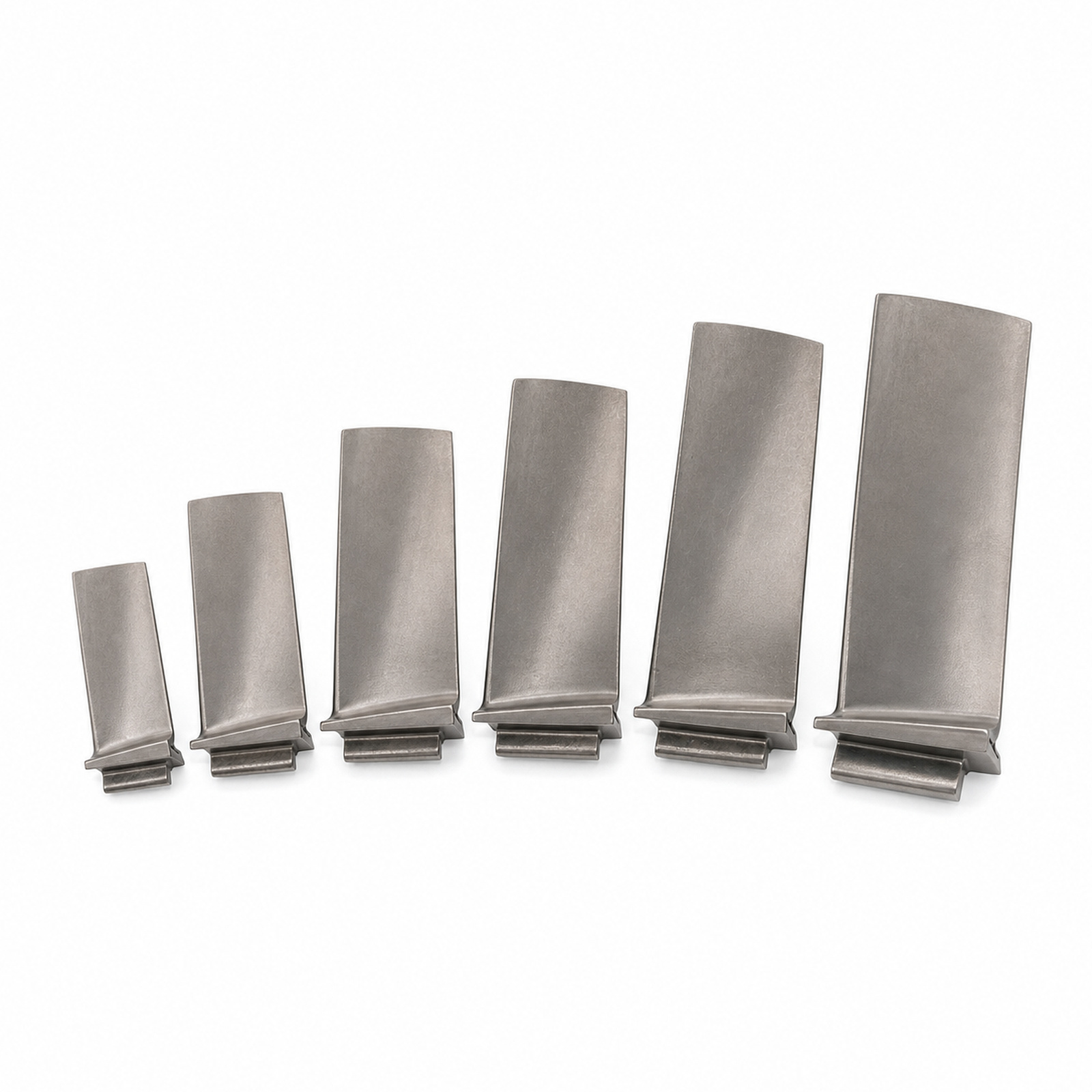
The weight of a turbine forged part is a critical engineering parameter that directly influences power generation capability, manufacturing complexity, and operational reliability. From lightweight compressor blades to massive low-pressure rotors exceeding 70 tonnes, the turbine forged part weight range spans orders of magnitude across different applications. [Contact our forging engineering team] for expert guidance on optimizing turbine forged part specifications for your specific power generation requirements. This comprehensive guide examines the technical factors that determine turbine forged part weight and the manufacturing constraints that define what is practically achievable.
The weight of a turbine forged part varies significantly across different power generation applications. In gas turbines, a turbine forged part such as a compressor blade or a turbine disc typically ranges from a few kilograms to about 5 tonnes for industrial units. For instance, a turbine forged disc for a 50 MW gas turbine may weigh around 2 tonnes, while a large industrial gas turbine shaft, which is a critical turbine forged part, can reach up to 10 tonnes. Steam turbines require significantly heavier components; a high-pressure rotor is often a turbine forged part that weighs between 5 and 20 tonnes. In large nuclear plants, a low-pressure rotor represents a turbine forged part that can exceed 70 tonnes. Hydroelectric turbine forgings are among the heaviest in the industry, where a Francis runner for a 200 MW unit is a turbine forged part that may weigh 50 tonnes, and a Pelton wheel is a turbine forged part that can approach 100 tonnes. These figures demonstrate that turbine forged part weight is directly tied to the specific application and the power output of the generation unit. Understanding these weight parameters helps engineers select appropriate manufacturing methods and anticipate forging process constraints that may impact production feasibility.
The primary factor that defines the maximum feasible turbine forged part weight is the choice of forging equipment and its open-die forging capacity. Open-die forging is the method used to produce a very large turbine forged part, as these presses exceed 15,000 tonnes and can handle ingots that yield a turbine forged part weighing over 300 metric tons. This open-die forging capacity is ideal for massive, simple geometries like rotor shafts. In contrast, closed-die forging is used when a turbine forged part requires high precision and complex shapes. However, because the die fully encloses the workpiece, the turbine forged part weight from this process is strictly limited by die strength and press tonnage. As a result, the largest closed-die turbine forged part rarely exceeds 5 metric tons. Therefore, the equipment type acts as the primary gatekeeper: open-die forging capacity allows for a turbine forged part of great scale, while closed-die forging produces a smaller, more precise turbine forged part. For large turbine rotor forging applications, maximizing open-die forging capacity is essential to achieve the required component size and structural integrity.
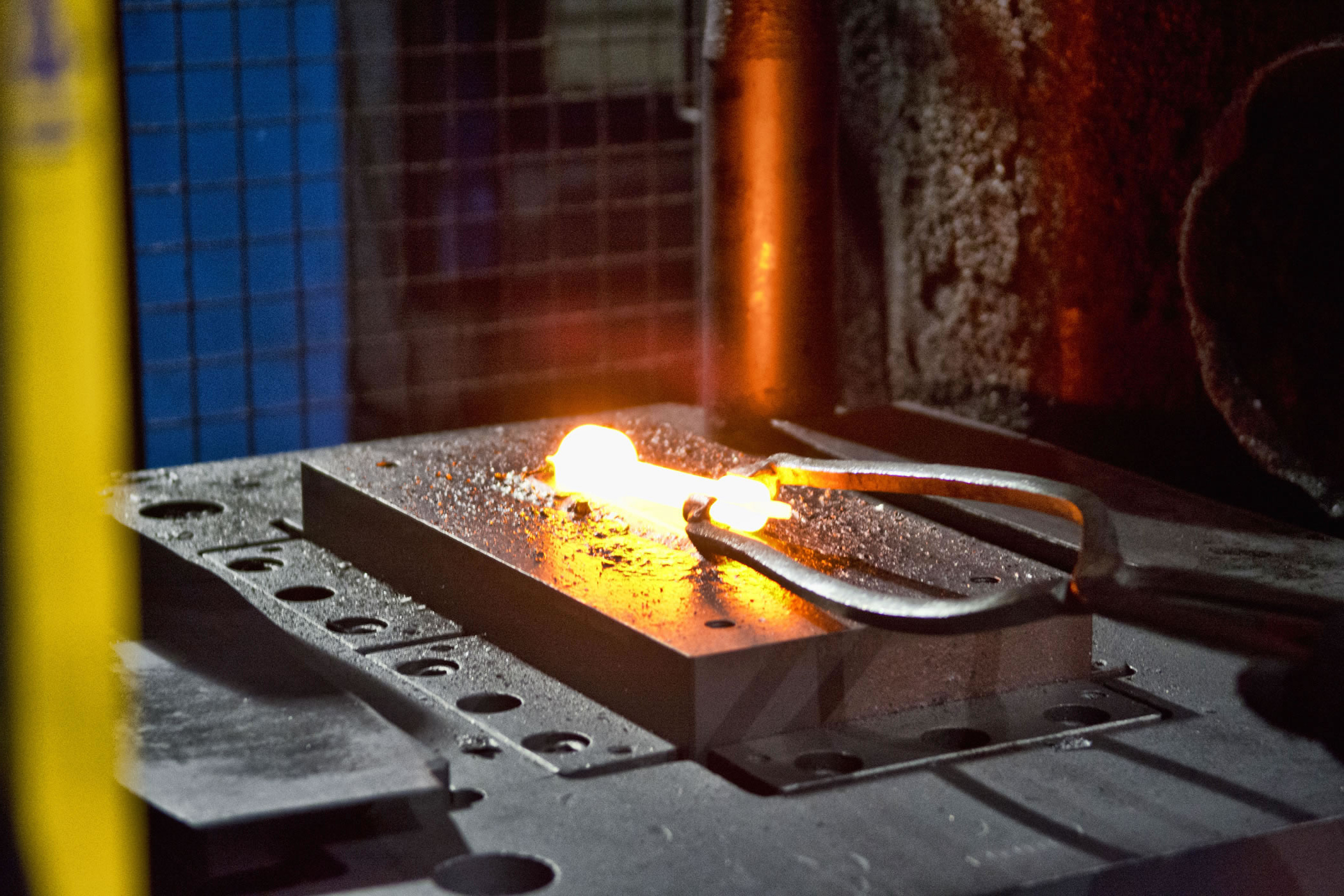
Producing a heavy turbine forged part demands exceptional thermal control to prevent internal defects. As the target turbine forged part weight increases, achieving uniform through-thickness temperature becomes exponentially more difficult. If a turbine forged part experiences even a 20°C variation during processing, it can lead to inconsistent material flow and cracking. Therefore, ingots must be soaked for hours to ensure that the final turbine forged part has consistent ductility throughout. During forging, differential cooling rates can create a cold core in a turbine forged part, which risks incomplete fill or laps. The press force must also overcome the material's resistance across large cross-sections to shape a heavy turbine forged part. These interdependent forging process constraints mean that the practical weight limit for a turbine forged part is not dictated solely by press capacity, but by the ability to manage heat distribution and material flow. Producing a reliable turbine forged part demands that these forging process constraints are meticulously addressed through careful thermal management and process control.
Alloy selection fundamentally shapes the feasible turbine forged part weight through hot-workability and structural stability. Nickel-based superalloys, which are essential for gas turbine disks, have narrow forging windows. Pushing a 10-ton ingot beyond its flow-stress limits can cause catastrophic cracking, which means a turbine forged part might be rejected due to material failure. Understanding nickel superalloy forging limits is critical because the yield strength of the alloy also influences the geometry of a turbine forged part. Advanced alloys enable thinner, lighter sections for equivalent load-bearing capacity, potentially reducing turbine forged part weight while maintaining performance. Grain structure control is equally critical for a turbine forged part. Inconsistent thermomechanical processing across thick sections leads to mixed or coarse grains, which are rejectable defects under industry standards like ASTM E112. To create a reliable turbine forged part, full recrystallization is required, which demands sufficient heat penetration to the core. If the center of a 50-ton shaft does not receive adequate deformation, coarse grains will fail ultrasonic inspection. This imposes a lower weight limit for a turbine forged part than the press capacity alone would suggest. Navigating nickel superalloy forging limits requires extensive process validation and real-time monitoring to ensure consistent quality across large-scale forgings.
As power generation units scale up to meet global energy demands, the ability to produce a heavier turbine forged part has become a key competitive differentiator. Modern gas and steam turbines exceeding 500 MW now require a turbine forged part approaching 100 metric tons. To produce such a heavy turbine forged part, the industry is investing in next-generation manufacturing capabilities. New open-die hydraulic presses with capacities beyond 150 MN are being deployed to handle ingots exceeding 600 tons, expanding open-die forging capacity and allowing for a turbine forged part of unprecedented size. Concurrently, advances in nickel-based superalloys and creep-resistant steels enable these heavier components to retain structural integrity, pushing the boundaries of nickel superalloy forging limits and ensuring that a turbine forged part can withstand extreme thermal and mechanical loads. Integrated with real-time process simulation and predictive thermal modeling, these innovations are expanding the feasible weight envelope and addressing key forging process constraints. This ensures that a turbine forged part for next-generation turbines can achieve higher efficiency, longer service life, and improved reliability without sacrificing forging quality. Ultimately, the ability to produce a massive, high-quality large turbine rotor forging is a defining factor in the advancement of modern power generation technology.
What is the typical weight range of a turbine forged part? Turbine forged part weight varies significantly by application: from a few kilograms for gas turbine blades to over 70 tonnes for nuclear steam turbine rotors, and up to 100 tonnes for hydroelectric Pelton wheels.
How does open-die forging capacity affect turbine forged part weight? Open-die forging capacity, typically exceeding 15,000 tonnes, enables production of turbine forged parts over 300 metric tons. This capacity is essential for large turbine rotor forging in steam and hydroelectric applications.
What are the main forging process constraints for heavy turbine forgings? Forging process constraints include thermal management, material flow control, and press force requirements. Temperature uniformity within ±20°C is critical to prevent cracking and ensure consistent material properties throughout the turbine forged part.
Why do nickel superalloy forging limits matter in turbine production? Nickel superalloy forging limits are critical because these materials have narrow forging windows. Exceeding flow-stress limits can cause catastrophic cracking, making proper control essential for large turbine rotor forging applications.
How is turbine forged part weight optimized for next-generation turbines? Turbine forged part weight optimization involves advanced alloy selection, real-time process simulation, and predictive thermal modeling. These approaches help address forging process constraints while enabling larger, more efficient large turbine rotor forging components.