 EN
EN

Where-To-Find-Reliable-Manufacturer-For-Custom-jet-engine-blade, Where-To-Find-Reliable-Manufacturer-For-Custom-jet-engine-blade, /news
EN
2026/08/12
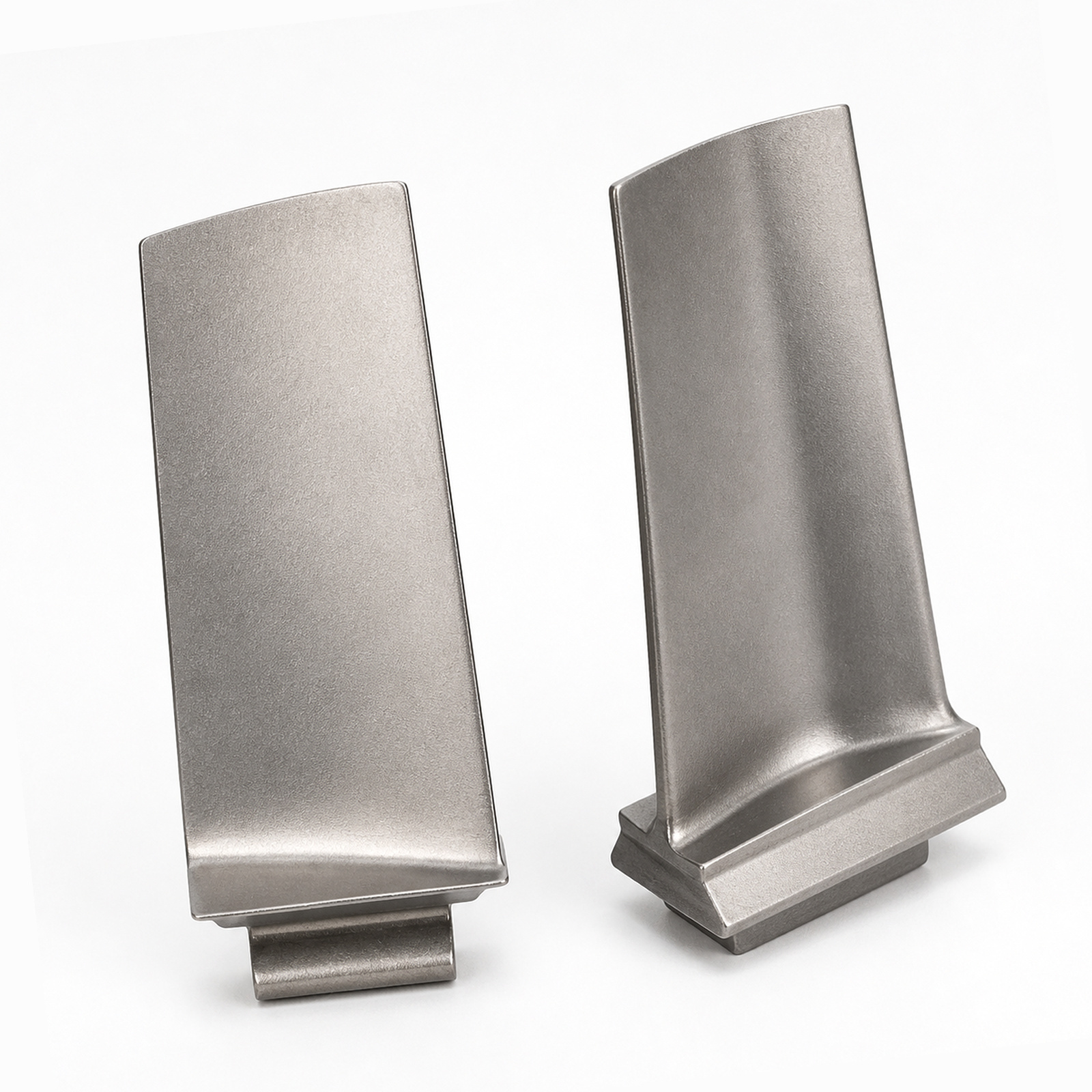
Let's start with a number that'll make your head spin: 1,500°C. That's the temperature inside a jet engine's high-pressure turbine section – hotter than the melting point of most metals you'd find in a typical workshop. So how do these blades survive? The answer comes down to one family of materials: nickel-based superalloys. These aren't your everyday stainless steels. They've got a special microstructure – gamma-prime precipitates – that keeps them strong even when the metal around them would be dripping onto the floor. A reputable jet engine blade manufacturer lives and breathes this chemistry, because getting the alloy right is only half the battle. The other half is casting it in a way that preserves that microstructure. Investment casting isn't just the preferred method – it's the only method that can replicate the complex internal cooling channels these blades need to stay alive. Get the casting wrong, and the blade won't make it past a few flight cycles. Get it right, and you've got a component that'll hold up for thousands of hours. That's why a reliable nickel-based superalloy casting partner doesn't just pour metal – they control every variable from melt temperature to cooling rate.
Here's where things get really interesting. The way the metal solidifies determines how long the blade will last. There are two main approaches: directionally solidified (DS) and single-crystal (SX). Both eliminate transverse grain boundaries, which are basically weak spots at high temperatures. But they do it differently.
Directionally solidified blades grow elongated grains running parallel to the primary stress axis. This gives you solid creep resistance and a relatively straightforward path to certification. For a FAA Part 33 certified supplier, DS technology is well-trodden ground – the testing protocols are established, the validation pathways are clear, and the regulatory boxes are easy to check.
Single-crystal blades take it a step further. They eliminate grain boundaries entirely. No boundaries means no weak links, which translates to better creep resistance, higher operating temperatures, and improved fuel efficiency. But there's a catch – certification is significantly more demanding. The FAA requires exhaustive life-prediction validation, using techniques like Laue diffraction to confirm crystal perfection and rule out defects like freckles or stray grains. For a single-crystal turbine blade supplier, this means investing in advanced inspection capabilities and maintaining meticulous process records. The payoff is real – better performance, longer life, and a product that stands out in a demanding market.
| Microstructure | Grain Structure | Creep Resistance | Certification Path |
|---|---|---|---|
| Directionally Solidified (DS) | Elongated grains aligned with stress axis | High | Well-established under FAA Part 33 |
| Single-Crystal (SX) | No grain boundaries | Superior | Requires exhaustive life-prediction validation |
You've probably heard about 3D printing for jet engine parts. And yes, additive manufacturing – specifically Selective Laser Melting (SLM) and Electron Beam Melting (EBM) – is opening up new possibilities. These technologies let engineers design internal cooling architectures and lightweight lattice structures that are simply impossible to produce with investment casting alone. Prototype timelines shrink from weeks to days. You can test complex flow passages under real thermal loads before committing to expensive tooling.
But here's the thing – additive isn't ready for serial production of primary rotating components. Not yet. The surface finish isn't good enough straight out of the machine, and the fatigue properties don't quite match what you get from a properly cast and machined blade. That's why a smart jet engine blade manufacturer uses AM as a development tool, not a production solution. It's for iterating designs, validating concepts, and de-risking features early in the qualification cycle. Then, once the design is locked in, you switch back to investment casting for the actual production run.
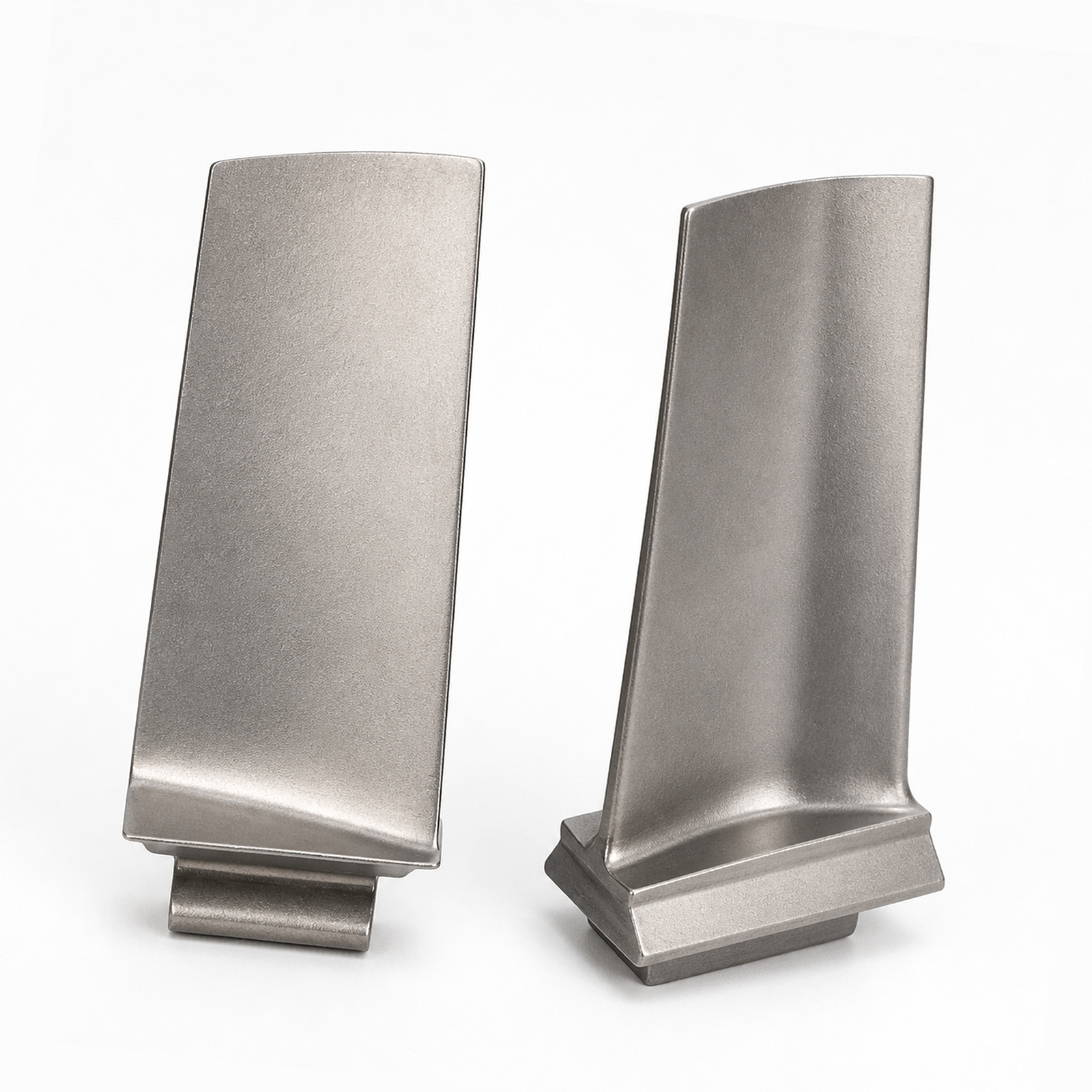
Here's where the magic happens. Combine additive manufacturing with precision CNC machining, and you get the best of both worlds. AM gives you the complex geometry – the near-net shape with all those intricate cooling passages. CNC machining gives you the surface integrity and dimensional accuracy that keeps the engine running smoothly.
We're talking about a Ra ≤ 0.4 µm surface finish and ±5 µm dimensional tolerances on airfoil profiles and blade roots. That's not easy to achieve. The machining step also removes the recast layer – that heat-affected zone inherent to as-built AM surfaces – which is critical for restoring fatigue strength. And here's something that doesn't get enough attention: proper machining ensures full accessibility for non-destructive testing. Fluorescent penetrant inspection (FPI) and ultrasonic testing (UT) both depend on having a clean, accessible surface to work with. Build that into your workflow, and you're not retrofitting quality – you're building it in from the start.
A Nadcap aerospace supplier doesn't cut corners on this stuff. Full traceability – from powder lot to final inspection – is maintained digitally, satisfying FAA Part 33 documentation mandates and keeping you audit-ready at all times.
Coating and Microstructure – The Details That Separate Good from GreatThe casting is just the beginning. Coatings are what protect the blade from oxidation, corrosion, and thermal degradation. A serious single-crystal turbine blade supplier will provide comprehensive coating pedigree records – bond coat composition, top-coat thickness uniformity, deposition parameters, and post-coating heat treatment details. For thermal barrier coatings (TBCs) and environmental barrier coatings (EBCs), that level of documentation is non-negotiable.
Microstructure reporting is equally vital. You need verified crystal orientation, quantified gamma-prime volume fraction, and documented absence of casting defects. This isn't just paperwork – it's the data that supports life prediction, performance modeling, and failure analysis.
The best suppliers offer full-lifecycle traceability. Every blade gets linked to its complete history – raw material certifications, solidification logs, machining data, coating runs, and in-service inspection results. This data ecosystem powers predictive maintenance, accelerates root-cause analysis, and reduces total cost of ownership by minimizing unplanned engine removals. That's the level of technical transparency that separates a strategic partner from a transactional vendor.
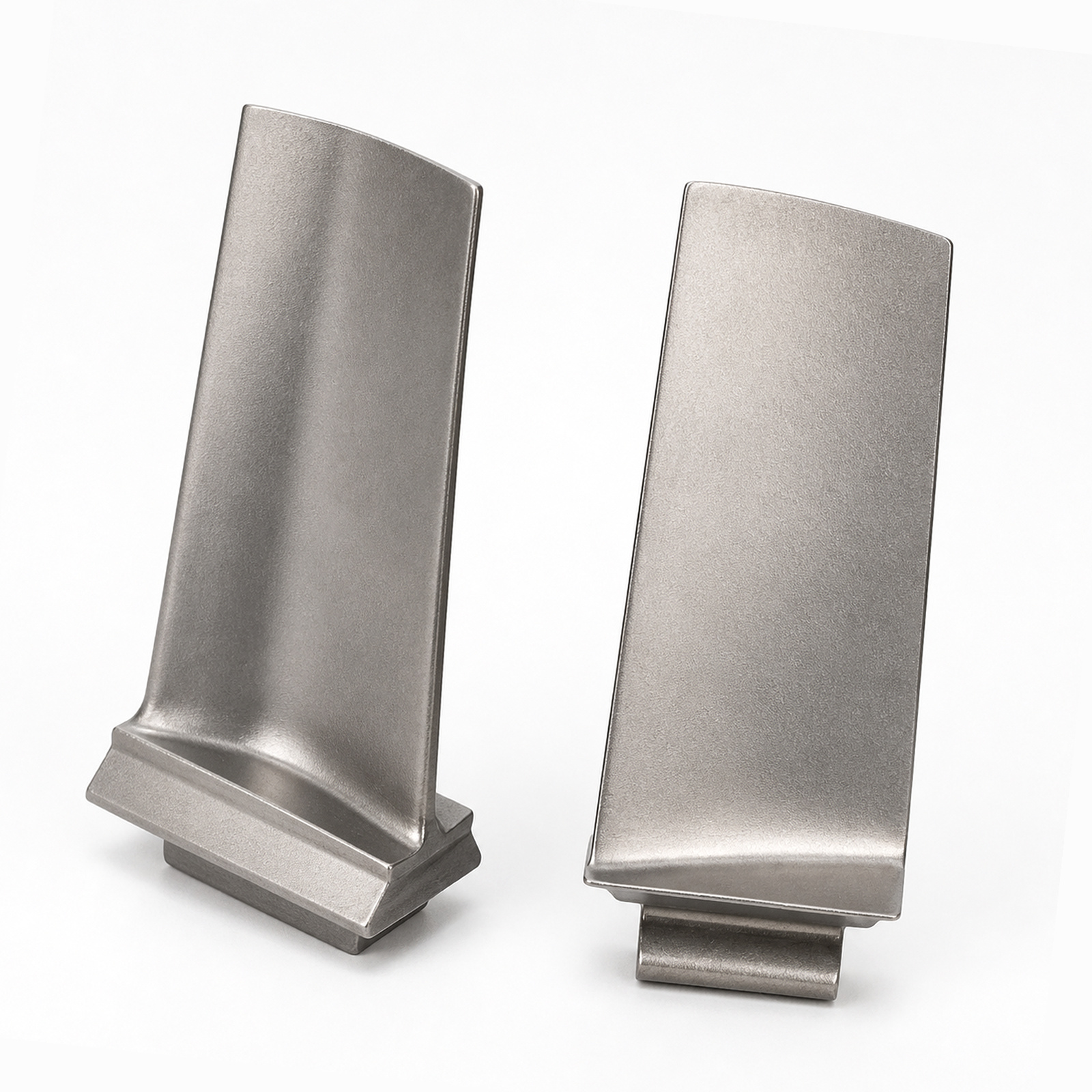
We've been around long enough to see what happens when a casting goes wrong. One batch of blades came through with subtle freckle defects – tiny casting flaws that weren't visible to the naked eye but showed up clearly under X-ray inspection. The supplier had skipped a cooling step in the casting cycle to save time. The blades passed visual inspection but failed life-prediction testing by a wide margin. That's a costly lesson – scrap the entire batch, redo the process, and miss the delivery deadline. A reliable nickel-based superalloy casting partner doesn't take shortcuts like that. They follow the process, document everything, and test rigorously at every stage. It takes longer and costs more upfront. But it's a lot cheaper than an engine failure at 35,000 feet.
| Criteria | What to Look For | Why It Matters |
|---|---|---|
| FAA Part 33 Compliance | Active certification, audit history | Ensures airworthiness and regulatory acceptance |
| Nadcap Accreditation | Current status in special processes | Validates process control and consistency |
| AS9100 Certification | Active QMS with continuous improvement | Provides disciplined quality management |
| Microstructure Reporting | Laue diffraction, γ′ volume fraction, defect documentation | Enables accurate life prediction and performance modeling |
| Coating Pedigree | Composition, thickness, deposition parameters | Ensures thermal protection and durability |
| Full Traceability | Digital records from powder to final inspection | Supports predictive maintenance and failure analysis |
Here's what it comes down to. A jet engine blade's reliability isn't determined by any single factor. It's the combination of the right material – nickel-based superalloys – the right casting technique – directionally solidified or single-crystal – the right post-processing – precision machining and coating – and the right documentation – traceable, auditable, and complete.
Choosing the wrong jet engine blade manufacturer means gambling with safety, performance, and cost. Choosing the right one means you've got a partner who understands the science, respects the process, and delivers the paperwork that keeps you in the air.
At RedEarth, we understand that aerospace demands the highest standards. Through our manufacturing partnership with Gint, we apply the same rigorous approach to material selection, process control, and quality assurance across every product line – because when lives depend on it, good enough isn't good enough.