 EN
EN

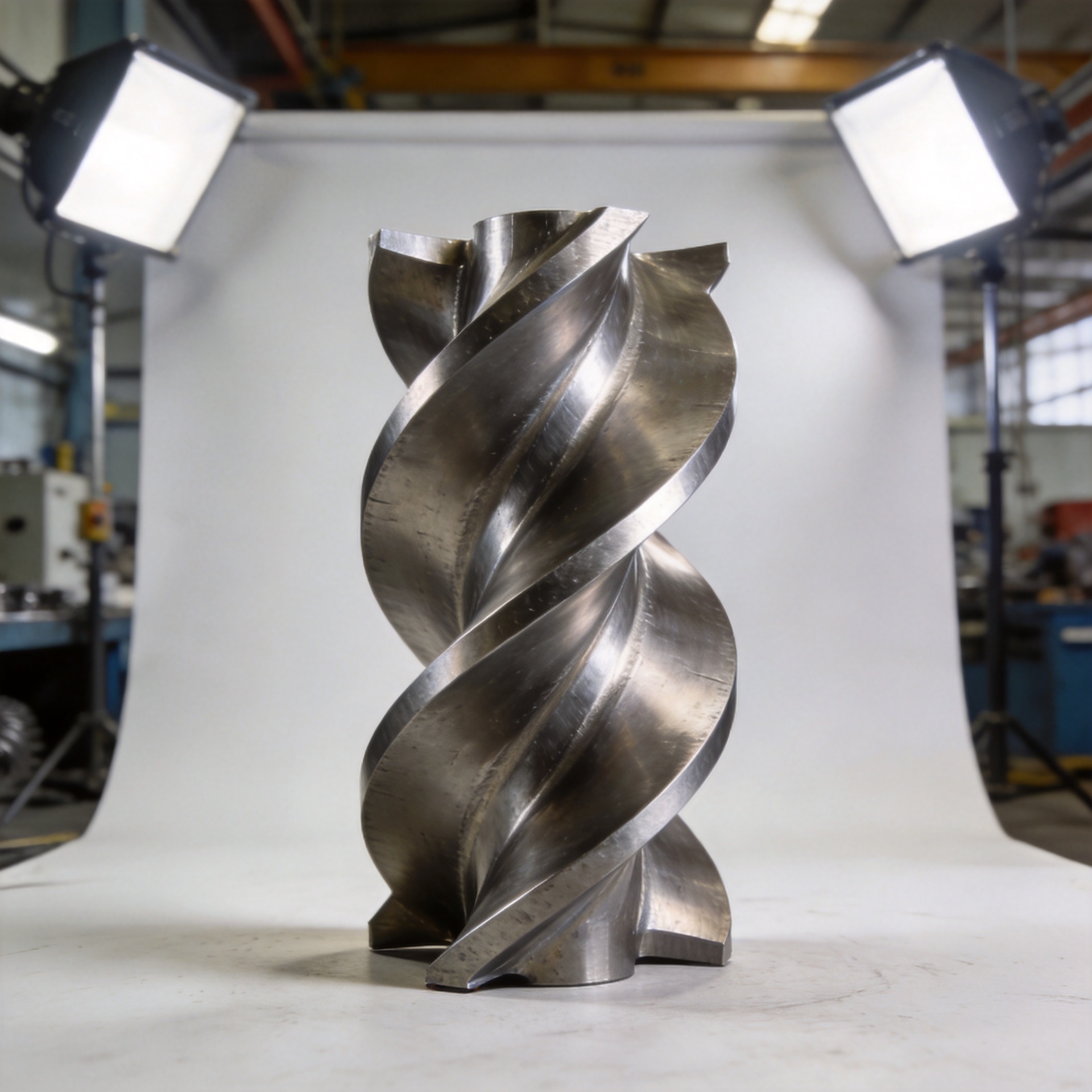
Can Custom Shaped Turbine Blades Be Made From Inconel Forging?
Yes — and for high-temperature turbine environments, inconel forging is often the right choice for custom blade geometry that needs to hold its profile under real operating stress. The question most procurement engineers and maintenance teams actually want answered goes further: what design conditions make inconel forging the appropriate method for a custom shaped blade, and what should you specify to get results you can actually install?
Why Inconel Forging Works for Turbine Blade Applications
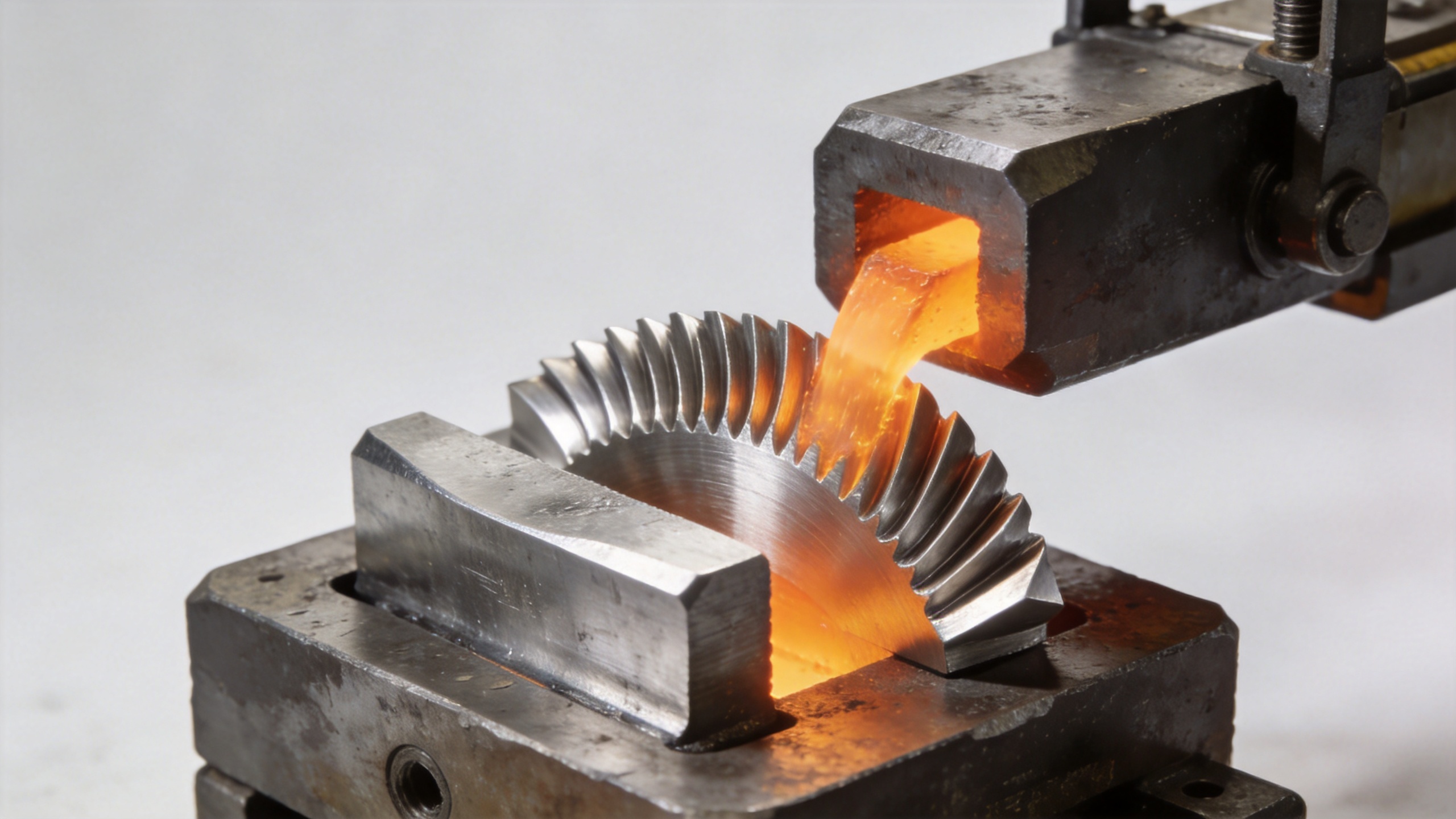
Inconel, particularly grades 718 and 625, is a nickel-chromium superalloy developed for high-temperature service. Inconel 718 is forged at approximately 1150°C, which allows the alloy's grain structure to be controlled during the forging process itself. Under closed-die inconel forging, compressive force shapes the billet while directing grain flow along the blade's geometry, producing a part with fatigue resistance that casting the same profile cannot match.
For compressor and turbine blades under cyclic aerodynamic and thermal loading, that microstructural alignment is not marginal. Turbine maintenance engineers familiar with high-cycle blade failure modes tend to note that the difference between forged and cast blades in fatigue-sensitive applications shows up in service interval data, not just specification sheets. For a special-shaped blade at elevated stage temperatures, the structural advantage is real and measurable.
Relevant industry standards for Inconel forgings include AMS 5663 (Inconel 718 / UNS N07718) and AMS 5666 (Inconel 625), which define material property requirements for forged forms. Confirming that your material grade aligns with one of these standard designations gives you a documented basis for mechanical property acceptance and traceability in your quality system.
Custom Shaped Blades: What "Custom" Actually Requires
This is where the answer becomes more specific, and where general information about inconel forging tends to fall short. The term "special-shaped blade" covers considerable ground: legacy turbine profiles absent from any OEM catalog, retrofit blades for non-standard stage positions, and custom airfoil profiles designed to specific aerodynamic targets. Each situation has different implications for the forging process.
One insight that changes the procurement approach: matching an alloy grade on paper does not automatically translate to equivalent blade performance in your specific turbine application. The relevant question is whether the forging supplier can produce your custom airfoil cross-section — including leading edge, trailing edge, root geometry, and platform features — within the dimensional tolerance your turbine disk assembly requires.
Custom blade inconel forging requires dedicated closed-die tooling designed from customer engineering drawings or 3D CAD models. A supplier offering customized forging for turbine applications needs either your 2D drawings, 3D CAD data, or a reference sample for reverse engineering. Suppliers with genuine custom blade capability will generally offer a pre-production drawing review to confirm dimensional feasibility before tooling investment is committed.
Inconel Forging vs. Casting for Custom Turbine Blade Profiles
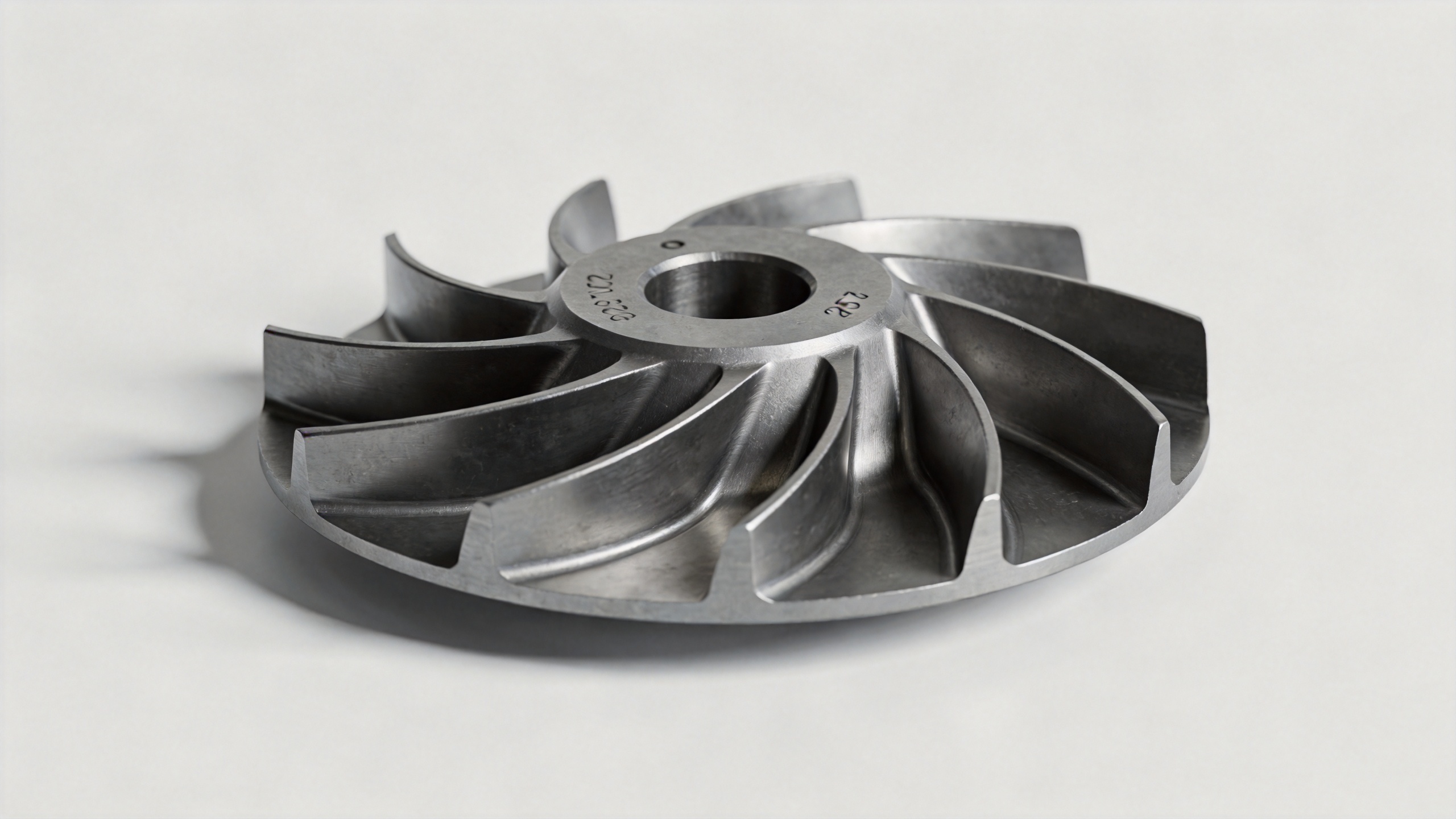
Investment casting does offer more geometric freedom for complex shapes — that's a fair point, and it's the right choice for hollow cooling passages in hot-section turbine blades. For solid custom shapes like compressor blade airfoil profiles, inconel forging is the established manufacturing method, and the comparison changes accordingly.
The forging advantage for custom blade geometry comes from near-net-shape production capability. Precision inconel forging can achieve airfoil dimensional tolerances in the 0.1 to 1 mm range, reducing the machining allowance required after forging and shortening the total part manufacturing cycle. For MRO procurement where lead time directly affects an overhaul schedule, that production efficiency is a practical factor in how quickly you can source a qualified customized forging blade.
Relying on incoming inspection alone to catch dimensional errors is less effective than understanding a supplier's inconel forging process capability from the start. When a supplier produces custom blade geometry, ask about their first-article inspection process: CMM or 3D scanning data on key airfoil cross-sections, root profile geometry, and chord and span dimensions across the full production run. That gives you dimensional conformance evidence before committing to full order volume.
What to Specify for a Custom Inconel Forging Blade
For an engineer evaluating whether to source a custom inconel forging blade, the specification conversation starts with the engineering drawing, not the price request. Key inputs to define include:
- Material grade — typically Inconel 718 or 625, per AMS 5663 or AMS 5666 respectively
- Airfoil profile drawing or 3D CAD model defining chord, span, thickness, and twist geometry
- Root attachment geometry and dimensional tolerances for turbine disk fitment
- Heat treatment requirement — solution treated and aged for Inconel 718 to achieve target mechanical properties
- Dimensional acceptance criteria, including CMM or 3D scan report requirements per delivery batch
- Material certification and heat batch traceability format required for your quality system
For a customized forging blade produced from engineering drawings, pre-sales engineering support from the supplier is a practical differentiator. A supplier who will review your drawing before accepting the order gives you earlier visibility into whether the geometry is producible within your tolerance band and timeline — reducing the risk of a first-article rejection cycle that delays your maintenance window.
A Practical Summary
Custom shaped turbine blades can be produced through inconel forging. The process is well established for both standard and non-standard blade profiles, provided the customer supplies engineering drawings or reference geometry, and the forging supplier has closed-die capability for turbine airfoil geometries. For compressor stages under cyclic load, inconel forging delivers grain structure and fatigue resistance advantages that casting cannot match for solid airfoil profiles.
For teams sourcing special-shaped blades for legacy turbines, retrofit programs, or non-standard stage positions, the central question is not whether inconel forging can produce the part. It is whether your candidate supplier has the tooling experience, dimensional verification capability, and pre-sales engineering support to produce your specific custom profile to the tolerances your turbine assembly requires. That is what separates a specification on paper from a customized forging blade you can confidently install.