 EN
EN

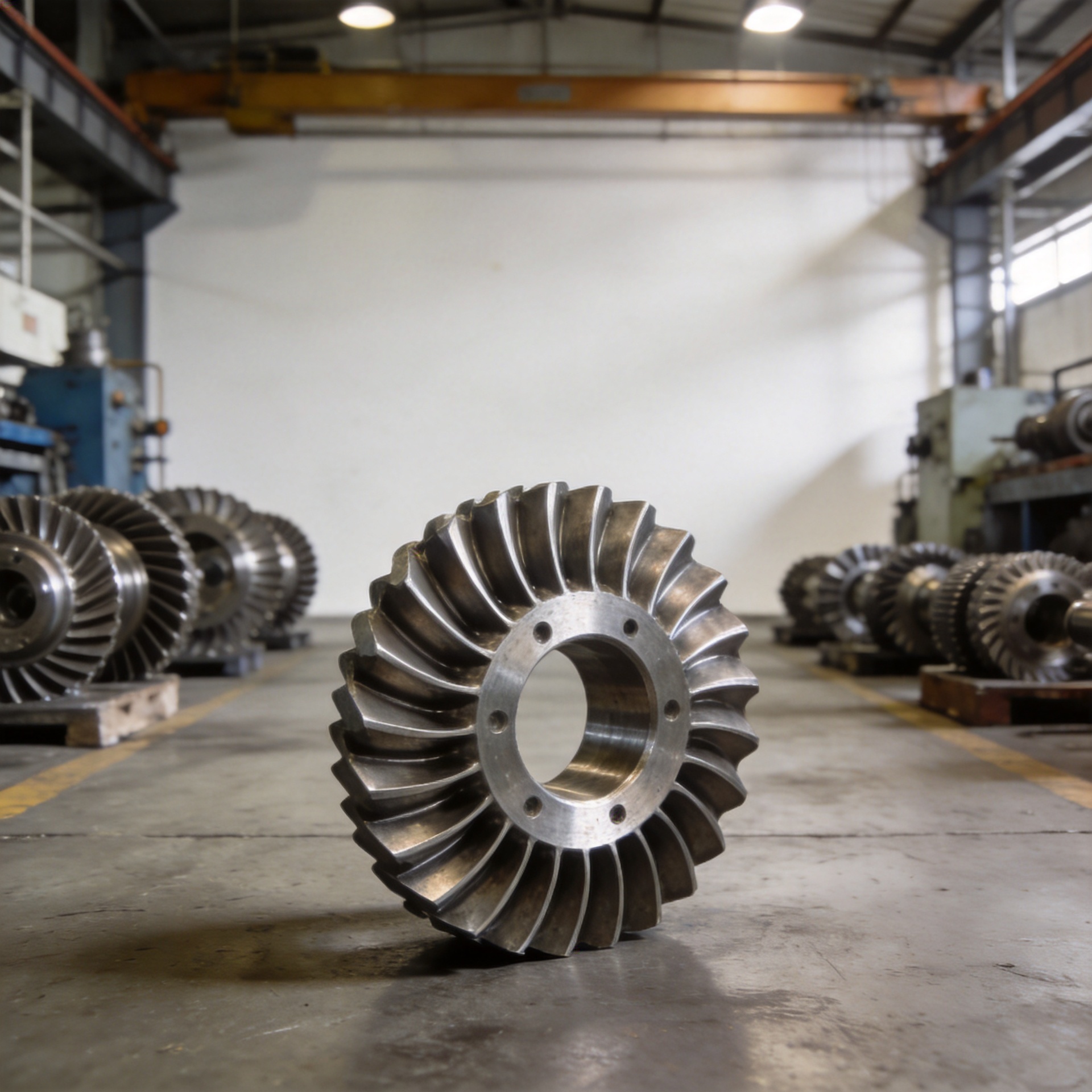
Can a Factory Produce Replacement Blades for Old Turbine Air Compressor Units?
As an MRO service provider who has worked through the logistics of sourcing blades for aging power plant equipment, I can tell you the question of whether a factory can produce replacement parts for old turbine air compressor units comes up regularly. Operators are not necessarily operating the latest-generation machines. Many sites still rely on gas turbines originally commissioned in the 1980s and 1990s, and the reality is that original equipment manufacturers (OEMs) do not consistently maintain active replacement parts programs for every model across its full service life.
The short answer is yes — a qualified precision forging factory can produce replacement blades for older turbine air compressor units. But understanding how that process works, and what it requires, is important before you commit to a sourcing decision.
Why Old Turbine Air Compressor Units Still Need Replacement Blades
Industrial gas turbines are designed for long operational lifespans. In power generation and industrial process applications, it is not unusual for a turbine to remain in active service for 25 to 40 years. Over that period, compressor blades experience fatigue cycles, erosion from airborne particulates, and in some cases corrosion from operating environments. Regular inspection and blade replacement are standard maintenance activities , regardless of whether the OEM still offers active support.
When the original supply program for a specific turbine model is discontinued or has limited availability, operators and their MRO partners face a sourcing problem. The alternative to finding replacement parts is either holding the unit offline — which carries significant revenue and operational cost — or attempting a full turbine replacement, which is rarely practical for a unit still performing adequately in all other respects. The demand for replacement parts from alternate factory sources is therefore a structural feature of the industrial turbine aftermarket, not an edge case.
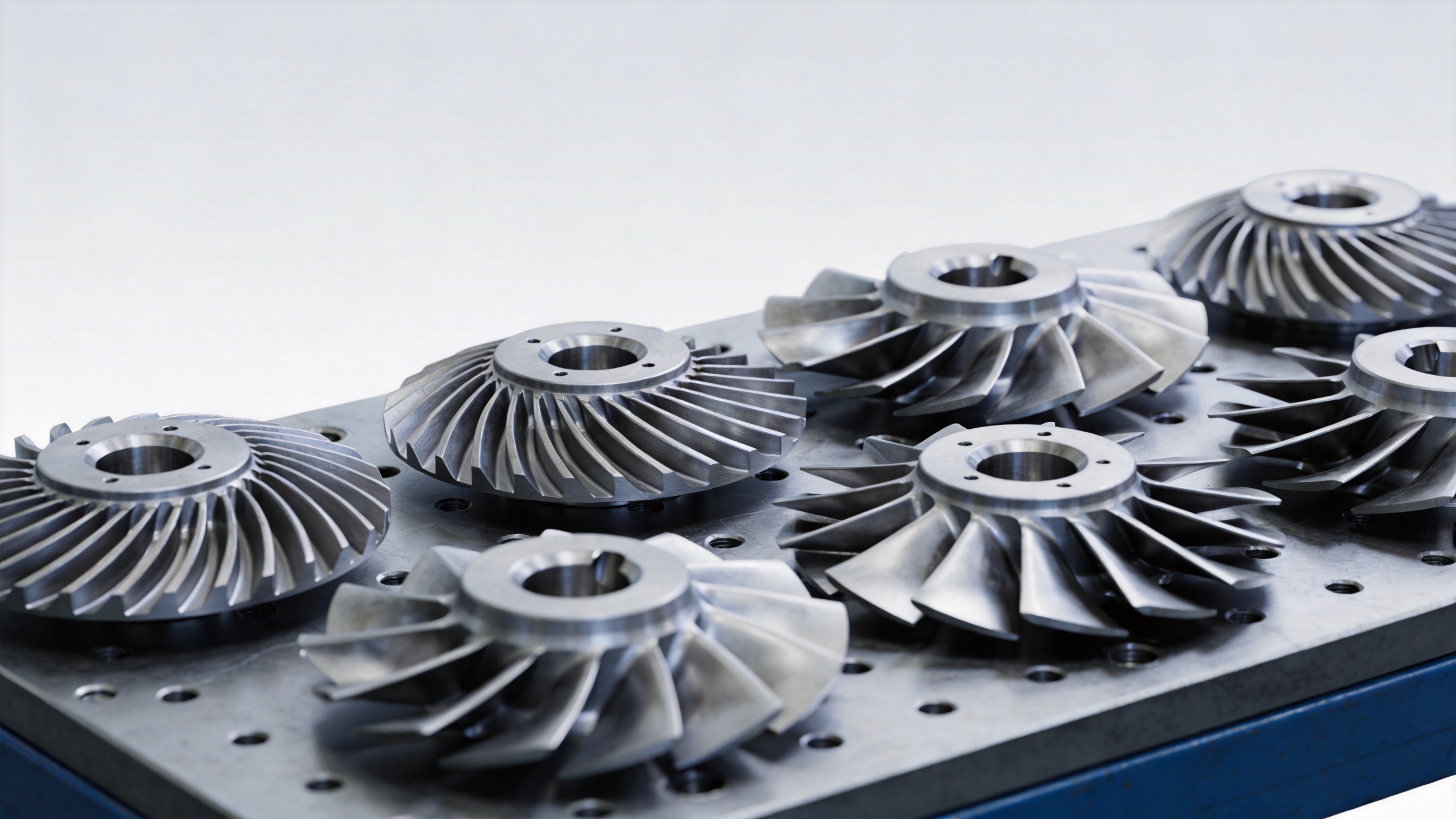
How a Factory Can Produce Replacement Blades Without the Original OEM Program
The technical pathway for producing replacement blades for an old turbine air compressor unit depends on what reference documentation is available. There are two primary scenarios:
When Original Drawings Are Available
If the operator or MRO provider has access to the original engineering drawings — dimensional specifications, airfoil profile data, root geometry, and material grade — then a precision forging factory can work directly from those documents. The process involves tooling development, first-article production and inspection, and verification of dimensional conformance against the drawing. Factories with experience in stage-specific compressor blade production for industrial turbines can accommodate this path efficiently, provided the drawings are complete and in a format the factory can interpret.
In practice, the realization that changed my approach to old unit procurement was this: matching an alloy grade on paper does not automatically translate to equivalent service life in your specific operating environment. A factory's ability to control heat treatment parameters, verify mechanical properties per batch, and deliver consistent airfoil geometry across a production run matters as much as the material designation on the print.
When Original Drawings Are Unavailable
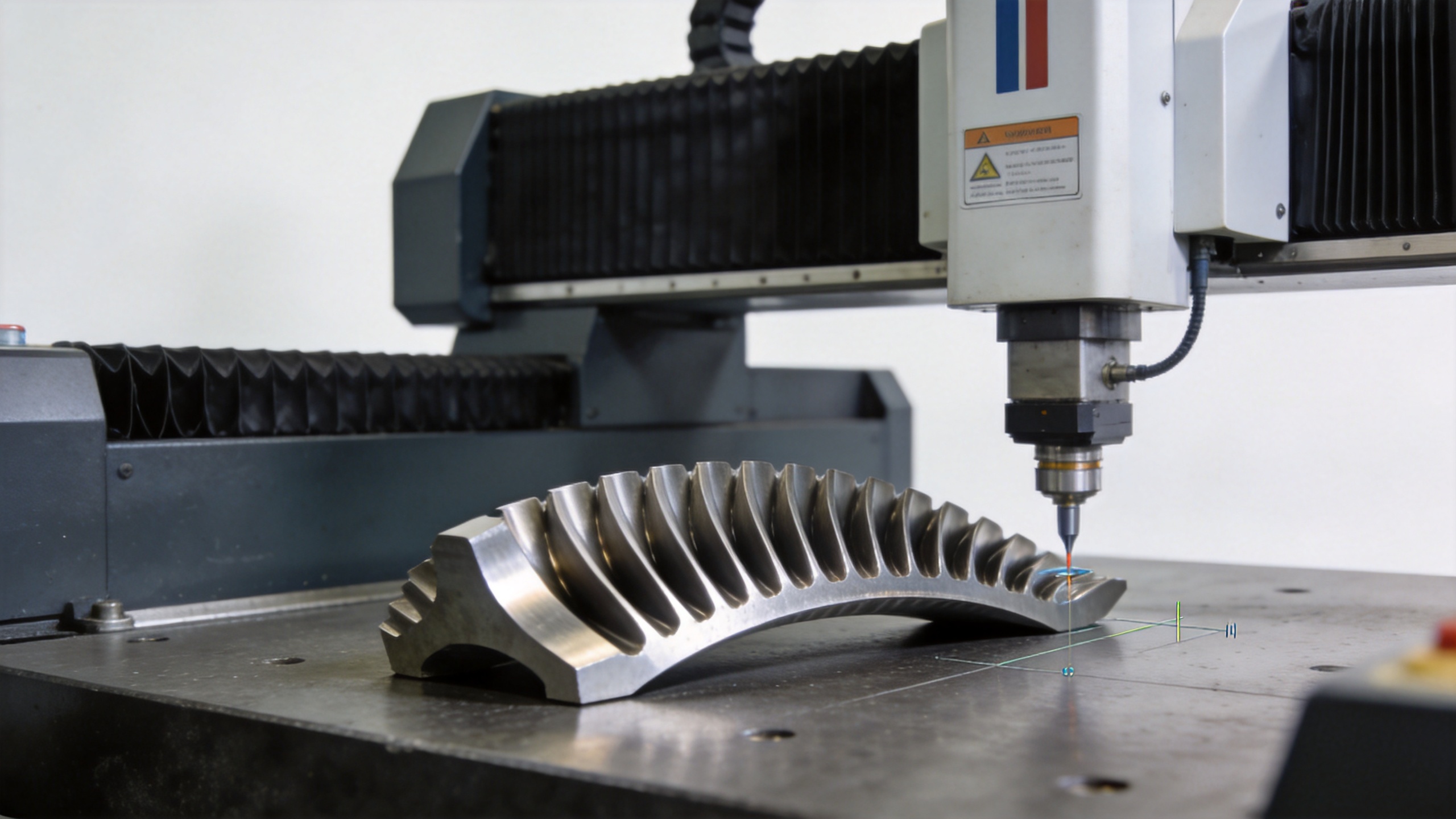
For older units where documentation has been lost, was not provided to the operator, or only exists in incomplete form, reverse engineering from a physical sample blade is the accepted industry practice. The process involves precision measurement of a reference blade — using coordinate measuring machines (CMM) or 3D scanning to capture airfoil cross-sections, root profile, and key dimensional features — and using those measurements as the basis for a manufacturing specification.
This is not guesswork. Reverse engineering by qualified turbine component specialists is a standard method used by independent MRO parts suppliers and specialist forging factories to support legacy equipment. The critical variable is measurement accuracy and the factory's ability to translate measured data into a consistent forging process. Turbine maintenance engineers familiar with legacy compressor blade applications generally find that the success of a reverse engineering program depends on the quality of the reference sample and the rigor of first-article inspection — not on whether the original OEM was involved.
What to Look for in a Factory for Old Unit Retrofit Blade Supply
Not all forging manufacturers have the capability or experience to produce replacement parts for old turbine air compressor units. When evaluating a factory source for an old unit retrofit program, several factors consistently distinguish capable suppliers:
- Custom drawing review and engineering pre-sales support: A credible factory will offer to review your drawings or sample specification before committing to a production quote. This review validates dimensional compatibility and identifies any engineering considerations specific to the turbine model.
- First-article inspection report (FAIR): For custom blade orders, a FAIR documents dimensional conformance to the customer specification before the production run is released. This is particularly important for old unit replacement parts, where there is no incumbent supply batch to compare against.
- Material certification and heat batch traceability: Each blade shipment should include mill certification documenting alloy composition and mechanical properties, plus batch traceability linking the parts to their production run. This is a threshold documentation requirement for maintenance record compliance in most operating environments.
- Dimensional inspection reporting per delivery batch: CMM or 3D scanning-based inspection reports per delivery lot give incoming inspection teams objective conformance evidence without requiring full in-house re-measurement.
- Non-destructive testing (NDT) capability: For high-criticality old unit retrofit applications, ultrasonic or fluorescent penetrant inspection options add an additional integrity verification layer beyond dimensional and visual checks.
Practical Considerations for Old Unit Retrofit Procurement
Sourcing replacement blades for an old turbine air compressor unit through a factory is a viable path, but it requires more lead time and upfront coordination than ordering from an active OEM program. Engineering pre-sales review, first-article production, and qualification inspection typically extend the initial procurement cycle. You might reasonably ask whether this is worth the effort compared to other options — and the honest answer depends on how long the unit is expected to remain in service and what the alternative downtime costs look like.
For operators managing units with years of remaining useful life, the total cost calculation usually favors investing in a qualified alternate factory source. Once a first-article qualification is completed and a batch record is established, repeat orders from the same factory proceed on a standard production basis. The initial qualification investment converts into a long-term supply relationship that covers the remainder of the unit's service life — which is substantially more cost-effective than replacing the turbine outright.
A few practical notes from procurement experience with these programs:
- Flexible minimum order quantities from factories experienced in legacy blade supply mean trial orders for qualification purposes are usually feasible without requiring full production commitments.
- Advance ordering against planned overhaul windows improves delivery alignment — production scheduling can be synchronized with your maintenance calendar once a factory relationship is established.
- English-language technical documentation from Chinese forging suppliers has improved significantly; factories experienced in export supply to international markets routinely provide certified documentation in formats meeting Western operator quality system requirements.
The Bottom Line on Factory-Produced Replacement Blades
For old turbine air compressor units whose OEM supply programs are inactive or limited, precision forging factories with the right engineering capability and quality process infrastructure can reliably produce replacement parts. The combination of custom forging from drawings, reverse engineering from sample blades, and rigorous first-article and batch inspection makes this a technically sound procurement path — provided you select a factory with demonstrated compressor blade experience, not a generalist component manufacturer.
The key questions to ask any factory before placing an old unit retrofit blade order are: Can they review your drawings or a sample blade and provide a pre-sales engineering assessment? Can they provide a first-article inspection report before production release? What material certification and traceability documentation do they include with shipment? A supplier who answers these questions confidently and can show example documentation is worth a detailed discussion.
Navi Power Technology, based in Qingdao, Shandong, specializes in precision forged compressor blades for industrial gas turbines and has experience supplying replacement blades for non-standard and legacy turbine models — including production from customer-supplied drawings and sample-based reverse engineering programs. To discuss your specific old unit requirements, contact the team at [email protected] or visit www.compressorblade.com.