 EN
EN

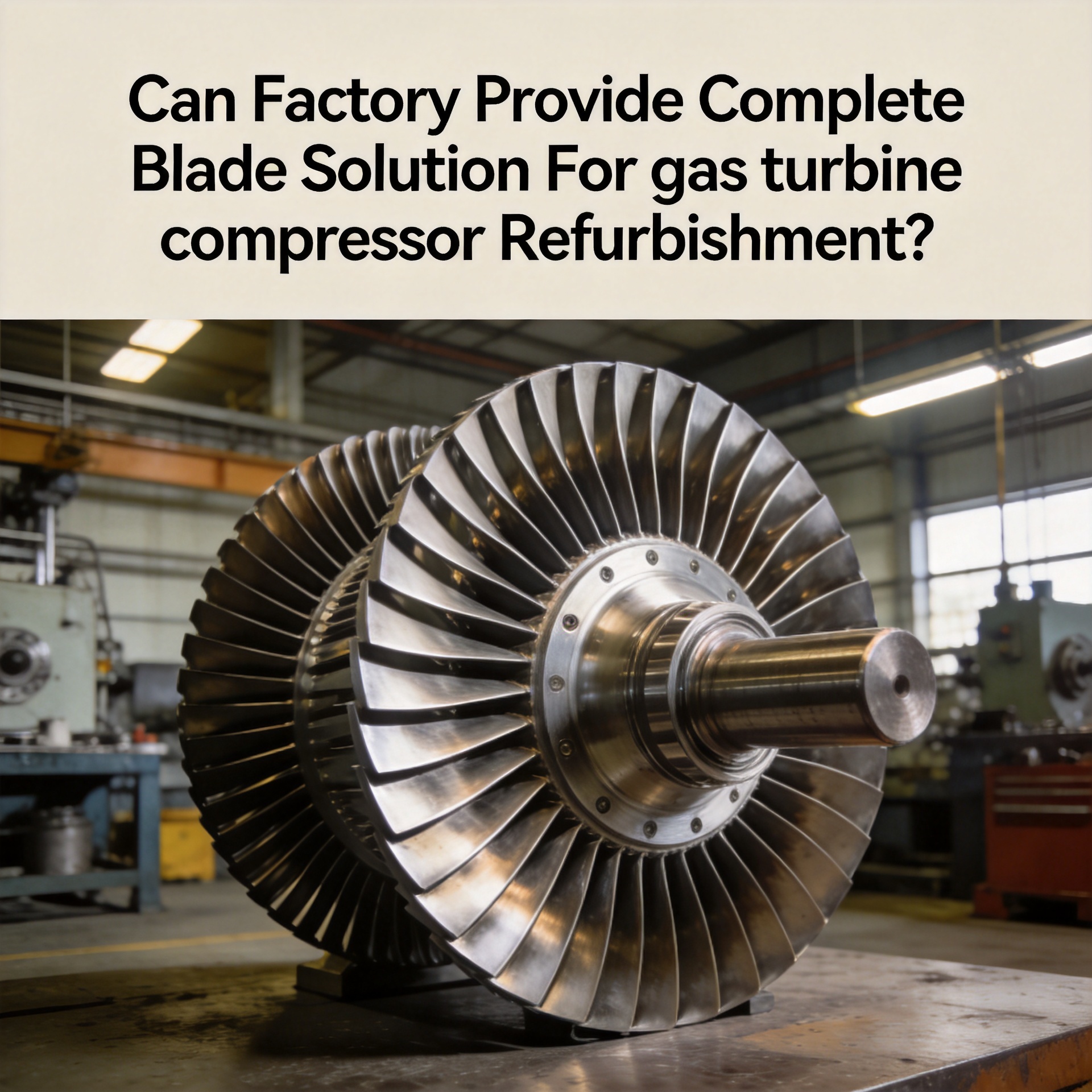
Can Factory Provide Complete Blade Solution For gas turbine compressor Refurbishment?
As someone who has worked through multiple gas turbine compressor overhaul cycles, I can tell you that one of the most underestimated challenges in equipment refurbishment is not finding a blade supplier, but rather finding one factory that can supply every blade stage you actually need, on time, with documentation that holds up to incoming inspection. The distinction matters more than most procurement teams realize until they are mid-outage and waiting for a missing stage.
The global gas turbine MRO market reached approximately $17.59 billion in 2025 and is projected to grow to $26.47 billion by 2035, reflecting a compound annual growth rate of around 4.17%. Within that, the compressor blades segment alone is valued at roughly $5.9 billion and is expected to reach $8.3 billion by the early 2030s. These figures represent real procurement activity, with a growing share moving toward specialized factory sources that can consolidate blade supply across multiple stages and turbine models.
What Does a “Complete Blade Solution” Mean in a Refurbishment Context?
Before asking whether a factory can deliver a complete solution, it helps to define what complete actually means. A gas turbine compressor typically has between 15 and 25 stages, each with a unique airfoil profile, root geometry, and material requirement. A blade upgrade during equipment refurbishment may involve replacing one critical stage or all stages simultaneously, depending on the scope of the overhaul.
A complete blade solution, in practical terms, means the factory can supply:
- Blades covering the required stage positions for the specific turbine model
- Correct airfoil geometry per customer engineering drawings or reverse-engineered from reference samples
- Material certifications aligned with OEM specifications or documented equivalents
- Dimensional inspection reports per delivery batch
- Lead times synchronized with the planned overhaul window
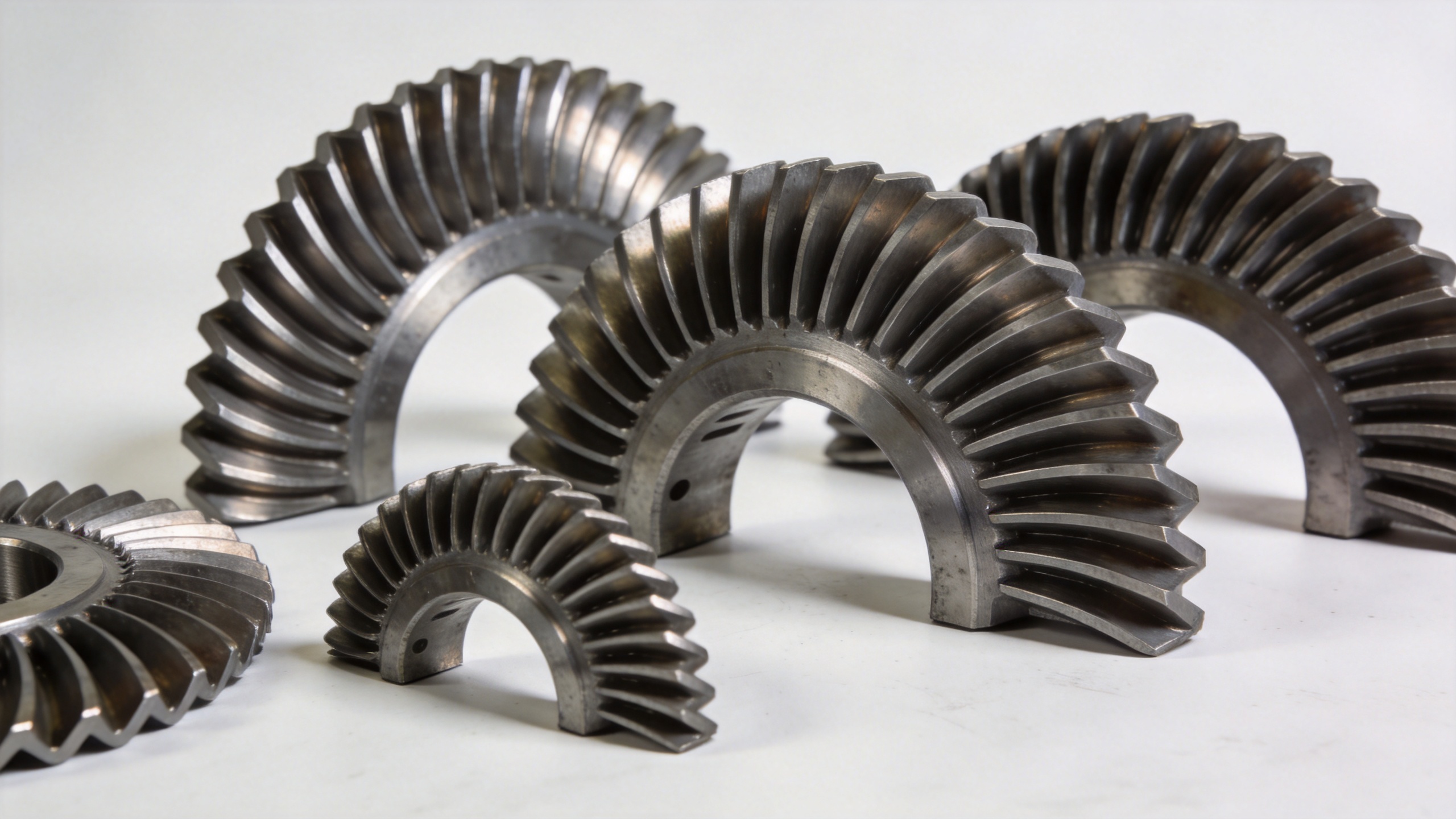
Refurbishment work often extends beyond new blade supply. It includes blending, welding, straightening, and applying anti-corrosion coatings to existing blades. However, when damage or wear exceeds repairable limits, new blade procurement from a qualified factory becomes the only viable path to restoring compression performance.
The Problem With Piecemeal Blade Sourcing for Equipment Refurbishment
Here is a question worth asking before your next overhaul planning meeting: how many separate suppliers does your team currently manage for blade supply across different turbine stages and models? If the answer is more than two or three, you are already absorbing procurement overhead, documentation inconsistency, and scheduling coordination risk that a single-source factory relationship could largely eliminate.
The pitfall I have seen most often is teams that treat blade lead time as a logistics detail rather than a project constraint. Ignored lead times caused real downtime on more than one overhaul I observed. Parts arrived days after the assembly window closed, and the cost of the delay far exceeded the cost of the blades themselves.
Multi-stage blade procurement from separate suppliers also introduces documentation fragmentation. Each supplier uses different inspection report formats, different material certification templates, and different traceability record structures. Consolidating that documentation into a coherent quality record for a regulated power plant becomes an engineering task in itself.
Can a Specialist Factory Deliver Across Multiple Compressor Stages?
You might reasonably argue that a single factory cannot have the tooling and process capability to produce every stage blade for every gas turbine compressor model in your fleet. That is true when applied to OEM-style volume programs. But it is less true for the specialized alternate-source and reverse-engineering segment that serves the equipment refurbishment market.
Factories focused specifically on compressor blade forging — rather than general-purpose component manufacturers who typically develop die libraries and process parameter records across many turbine models over time. That application history is what allows them to respond to a multi-stage blade request with drawings review, compatibility confirmation, and a consolidated production schedule rather than a piecemeal series of individual negotiations.
What differentiates a factory with genuine multi-stage capability from one that simply claims it: the ability to produce prototype or first-article samples for customer drawing review before full production release. For a blade upgrade program tied to equipment refurbishment, this first-article step is also the point where dimensional compatibility with the existing turbine disk and casing gets confirmed, reducing the risk that a batch of blades arriving at overhaul fails incoming inspection due to a geometry mismatch.
Key Capability Signals to Evaluate in a Factory Blade Solution Provider
When evaluating whether a factory can serve as a complete blade solution source for gas turbine compressor refurbishment, the following capabilities carry the most weight:
- Custom drawing-based production: Can the factory produce from customer-supplied 2D drawings or 3D CAD models, including non-standard or legacy stage profiles?
- Reverse engineering capability: For legacy turbines where original drawings are incomplete, can the factory develop specifications from physical reference blades?
- Multi-stage tooling: Does the factory maintain die tooling for multiple stage positions, or does each new stage require a full tooling development cycle?
- Documentation standard: Does material certification, dimensional inspection reporting, and heat batch traceability documentation meet international quality system requirements?
- Production scheduling alignment: Can the factory commit to delivery milestones aligned with your overhaul window rather than only quoting a nominal lead time?
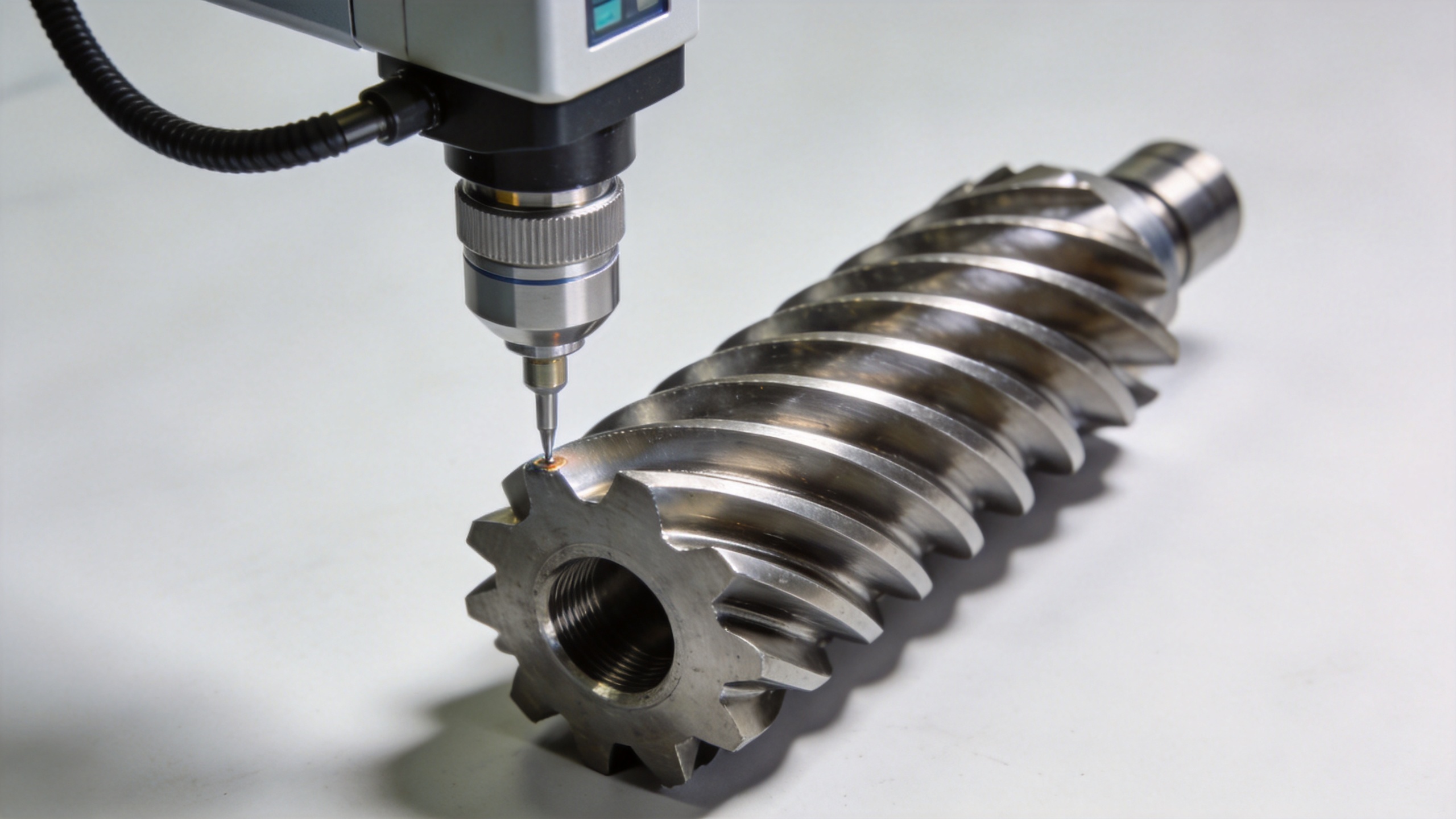
The investment in qualifying a factory against these criteria is time the procurement team that completed it consistently says was worth it. The initial qualification cycle, including drawings review, first-article inspection, and material certification review, builds a supplier record that accelerates every subsequent order in the program.
Timing and Risk: The Operational Reality of Blade Upgrades During Refurbishment
The operational implication of a complete blade solution is not just technical — it is financial. For gas turbine operators under performance contracts or availability guarantees, every day of unexpected outage extension translates into measurable cost exposure. Blade lead time, documentation completeness, and stage coverage capability are not procurement details; they are risk factors with direct bearing on project economics.
Factories that understand this align their production communication accordingly: they provide milestone updates tied to your overhaul schedule, not just a shipment notification when the box leaves the facility. That transparency is what separates a blade supplier from a blade solution provider.
If you are planning an equipment refurbishment and have not yet evaluated whether your blade supply strategy is consolidated enough to absorb a single-stage delay without cascading your entire project timeline, that evaluation is worth completing before the outage begins rather than during it.
For more information about precision-forged compressor blade supply for gas turbine refurbishment programs, contact Navi Power Technology at [email protected].