 EN
EN

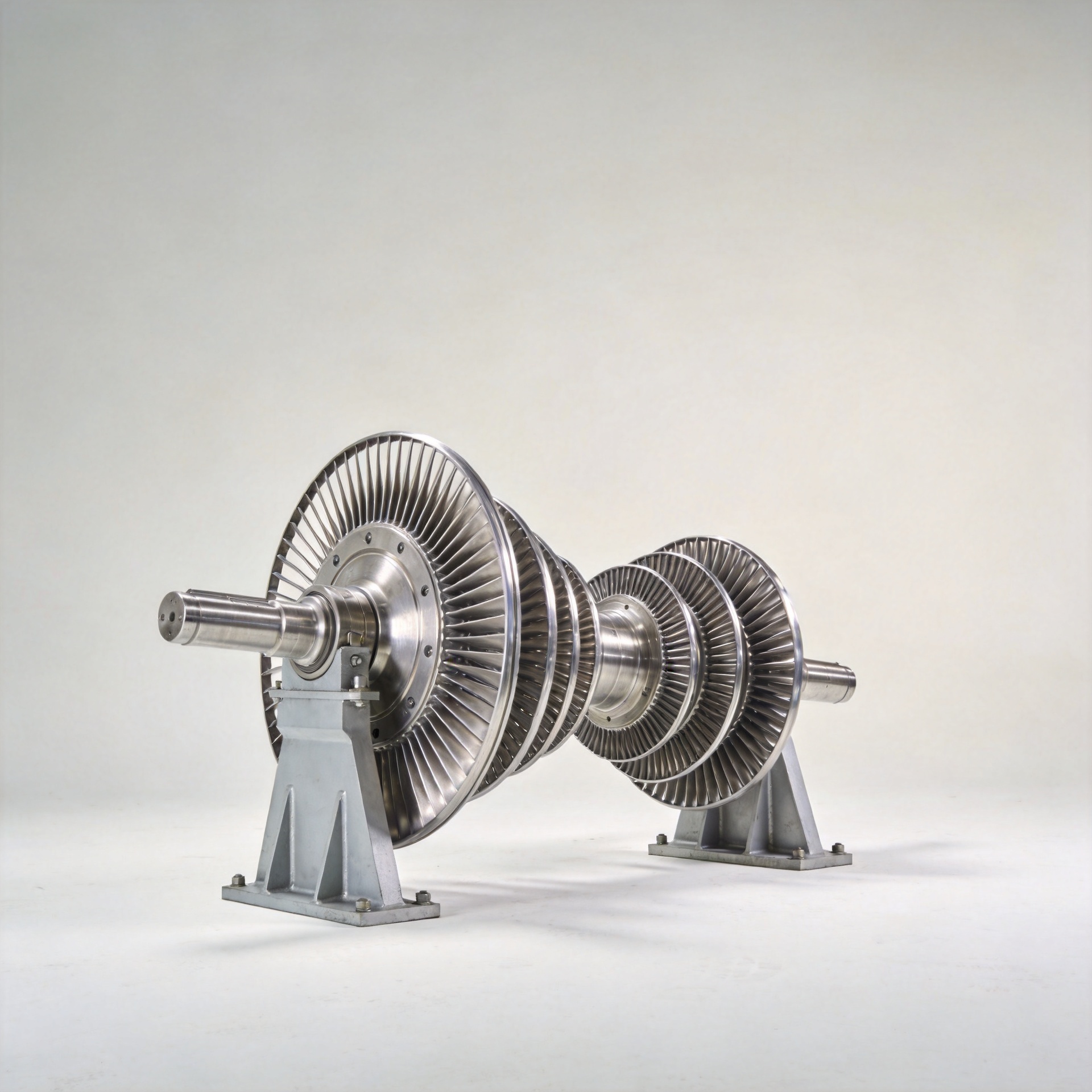
Can forged inconel rotor Be Customized For Gas Turbine Generators?
Yes—a forged inconel rotor can be customized for gas turbine generators. In most procurement situations for industrial power generation equipment, some degree of customization is actually required, not optional. Buyers who treat a forged inconel rotor as a standard catalogue item often run into compatibility problems that could have been caught during the specification phase. The more useful question is which parameters need to be defined and what information a qualified forging supplier needs from you before they can give you an accurate quote.
Reviewing sourcing inquiries from power plant operators and MRO service providers across Asia and the Americas, the pattern is consistent: buyers who arrive with a clear engineering drawing and a specified alloy grade get faster quotes, cleaner first-article results, and fewer installation surprises. That applies directly to forged inconel rotor procurement, where alloy grade, profile geometry, and heat treatment schedule are all variables the supplier needs you to confirm before the job starts.
Why Gas Turbine Generators Require Stage-Specific Rotor Configurations
A gas turbine generator is not built around a single rotor design. It is a stack of stage-specific components working under progressively higher pressure and temperature from the air inlet toward the combustion zone. Each compressor stage puts different aerodynamic, mechanical, and thermal demands on its rotor assembly. Front stages run cooler but see more exposure to particulate ingestion and impact damage. Rear stages operate at temperatures where creep resistance is what determines blade life.
Because of these stage-specific conditions, a forged inconel rotor that fits one turbine model will not fit another without engineering confirmation first. Root attachment profile, airfoil chord and span, platform geometry, and the interface with the rotor disk are all model-defined by the original turbine design. Even two rotors both labelled "Inconel" can require different alloy grades, forging sequences, and heat treatment schedules depending on which stage and which machine they are going into.
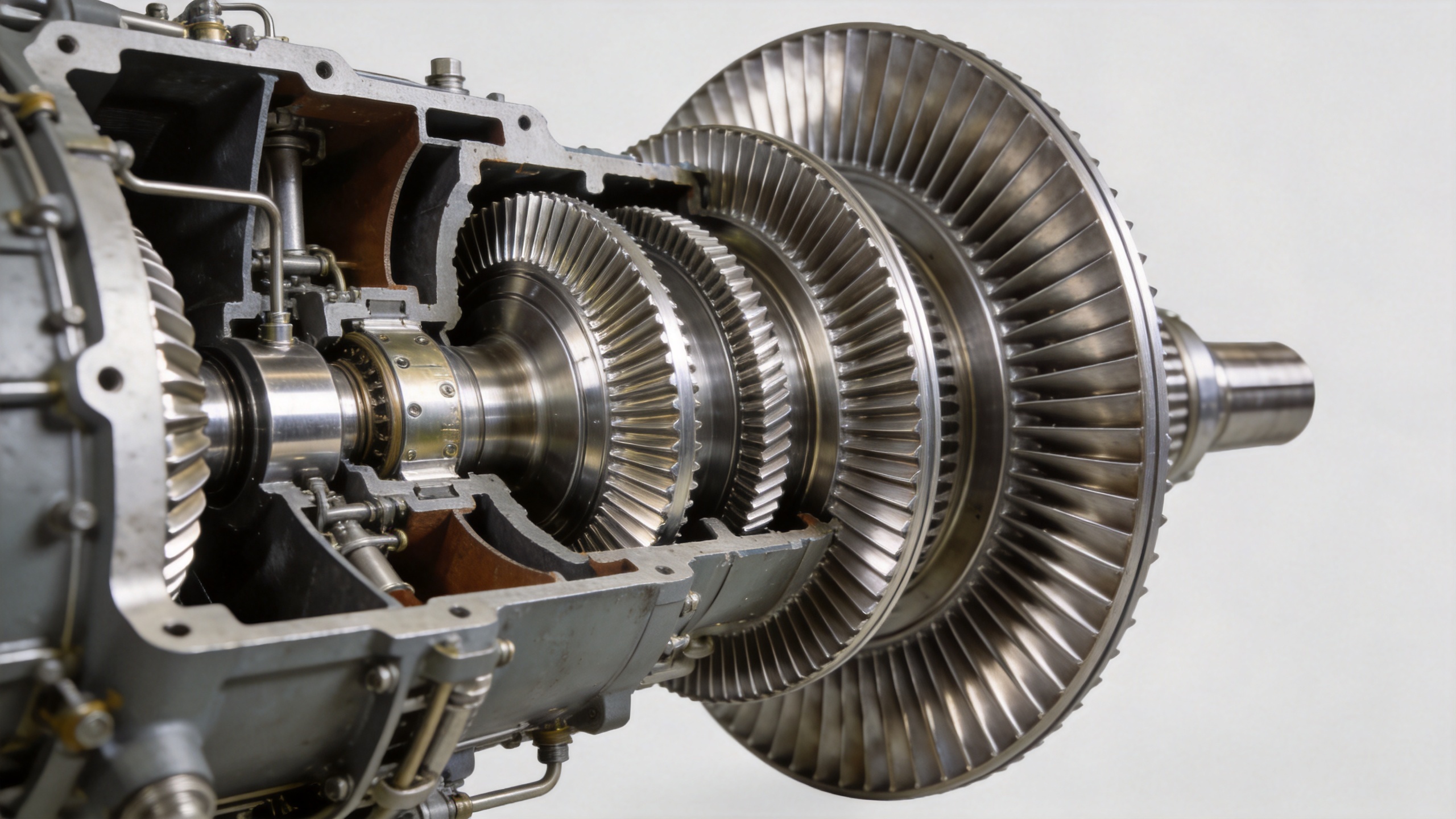
What Can Be Customized in a Forged Inconel Rotor
When evaluating whether a forging supplier can meet your requirements, the customizable parameters in a forged inconel rotor group into four main areas:
1. Alloy Grade Selection
The Inconel family includes several alloy grades with distinct performance ranges. Inconel 718 (UNS N07718) holds its strength up to approximately 700°C (1300°F) and covers most compressor stage applications in industrial gas turbines. Where higher operating temperatures are involved, up to around 980°C, Inconel X-750 or similar precipitation-hardened nickel superalloys are more appropriate. Standard Inconel 718 has a γ′ solvus temperature near 950°C; above that threshold, precipitate coarsening begins to reduce creep resistance, which sets a practical upper limit for that grade.
Alloy grade selection is a customization decision in its own right when ordering a forged inconel rotor. A supplier who works with multiple grades across the Inconel system, and who routinely provides certified mill documentation for each, gives you the ability to match the material to the actual stage temperature rather than taking whatever grade is on the shelf.
2. Geometry and Profile Dimensions
Profile geometry is the most technically demanding dimension to customize in a forged inconel rotor. Suppliers who can work from customer engineering drawings—2D technical prints or 3D CAD files—produce stage-specific profiles that match the OEM specification or a validated reverse-engineered design. That covers airfoil chord, span, twist angle, leading and trailing edge geometry, root attachment form (fir-tree, dovetail, or platform-integrated), and tip profile.
When original OEM drawings are unavailable for a legacy turbine model, reverse engineering from a physical reference sample is a workable alternative. Whichever route is taken, dimensional accuracy needs to hold through the full production run, not just the first-article sample. CMM or 3D scan-based inspection reports per delivery lot are part of what a qualified forged inconel rotor supplier delivers as standard.
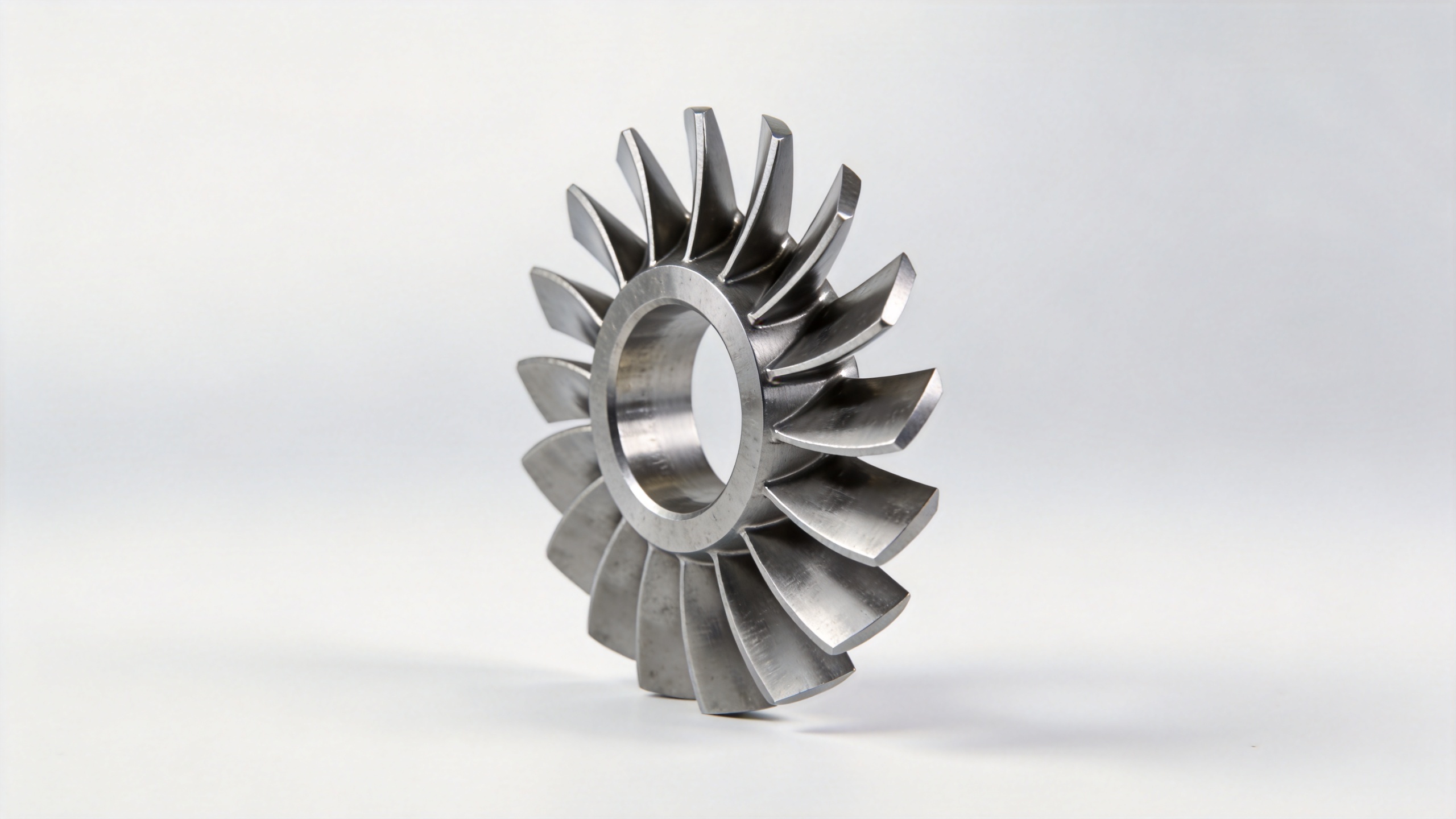
3. Heat Treatment Protocol
Post-forging heat treatment controls the mechanical properties of a forged inconel rotor: hardness, tensile strength, fatigue life, and creep performance all depend on how the solution anneal and aging cycle is run. A supplier with documented process parameters can hit a defined property target, not just a dimensional one, and can back that up with batch-level test data included in the shipment package.
4. Surface Treatment and Finishing
Rotors going into industrial turbines at coastal sites, desert installations, or petrochemical facilities often benefit from anti-erosion or corrosion-protection coatings to extend service intervals. Surface finish to a specified roughness is also relevant where aerodynamic efficiency over the rotor's service life matters to the operator.
What the Customization Process Requires From the Buyer
Most qualified forging suppliers start a forged inconel rotor engagement with a drawing review. The point is to confirm that the geometry is manufacturable within the forging process window, that the specified alloy grade is available in the right billet form, and that the tolerances called out on the drawing are something the supplier's inspection equipment can actually verify at acceptance. Getting a drawing into the supplier's hands early—even a preliminary version—creates a shared technical reference and reduces the risk of dimension mismatches showing up at first-article inspection.
For new supplier relationships, a first-article inspection report (FAIR) tied to the customer drawing documents dimensional conformance before the full production batch is released. This is standard qualification practice for custom rotating components and is probably the lowest-friction way to build confidence with a supplier you have not used before.
Evaluating a Supplier's Custom Forged Inconel Rotor Capability
Not every supplier who advertises "Inconel forging" has the process control and documentation infrastructure that gas turbine generator procurement actually requires. When reviewing a candidate for custom forged inconel rotor supply, the questions worth asking include:
- Can the supplier accept and work from customer engineering drawings or 3D CAD files as the production specification?
- Does material certification—alloy composition, mechanical test results, heat batch traceability—ship as standard with every order?
- Is a dimensional inspection report (CMM or 3D scan data for key airfoil cross-sections) included per delivery lot?
- Does the supplier have documented experience with the specific Inconel grade being specified?
- Is small-batch or prototype production available for qualification programs ahead of volume commitments?
A useful indicator: how a supplier handles documentation often reflects how they handle the parts themselves. Suppliers with organized material certification, batch traceability, and structured inspection reporting have usually invested in the process controls that keep dimensional results consistent across repeat orders. Suppliers who struggle to produce that paperwork are often the same ones where batch-to-batch dimensional variance becomes a problem over time.
Summary
A forged inconel rotor can be customized across alloy grade, profile geometry, heat treatment, and surface treatment to fit the specific requirements of a gas turbine generator stage. The process runs from engineering drawing through first-article inspection and requires a supplier with verifiable material certification and per-lot dimensional reporting. For operators and MRO service providers sourcing replacement or retrofit rotors, starting with a drawing review is the fastest way to get a realistic quote and confirm feasibility for a custom forged inconel rotor order.
Navi Power Technology produces precision forged compressor blades and rotor components for gas turbines, working from customer drawings with full material traceability and dimensional inspection documentation. Contact our engineering team at [email protected] to discuss your turbine model and stage requirements.