 EN
EN

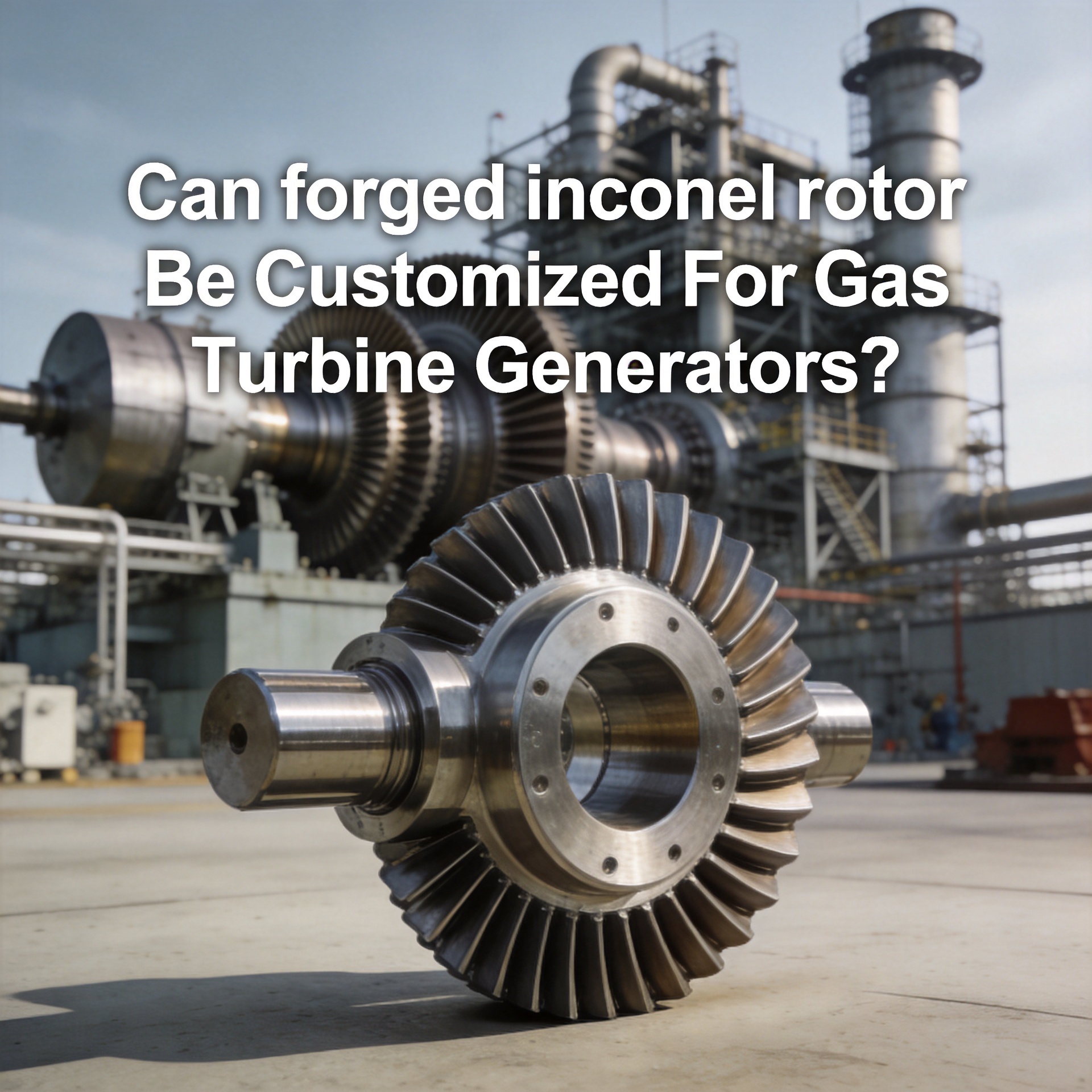
Can forged inconel rotor Be Customized For Gas Turbine Generators?
Buyers researching a forged inconel rotor for a gas turbine generator often assume they are working within a narrow band of catalog options — and then discover, further into the conversation with potential suppliers, that considerably more customization is on the table than expected. Whether it's rotor geometry, alloy grade, or dimensional tolerance, precision forging suppliers with the right process infrastructure can work from customer engineering drawings and produce components to specification. The question worth asking is not whether customization is possible, but what it takes to get there and how to qualify a supplier for it.
What Makes Inconel a Preferred Material for Gas Turbine Rotor Applications?
Before getting into customization specifics, it helps to understand why Inconel — particularly alloy grades such as 718 — is specified for rotor components in a power generation unit in the first place. Inconel 718 is a precipitation-hardened nickel-chromium superalloy with a composition of approximately 50–55% nickel, 17–21% chromium, 4.75–5.5% niobium and tantalum, and 2.8–3.3% molybdenum. This composition gives it an exceptional combination of tensile strength, fatigue resistance, and oxidation resistance across a service temperature range that extends up to 650°C (1200°F) for continuously rotating components — the operating envelope of most industrial gas turbine hot sections.
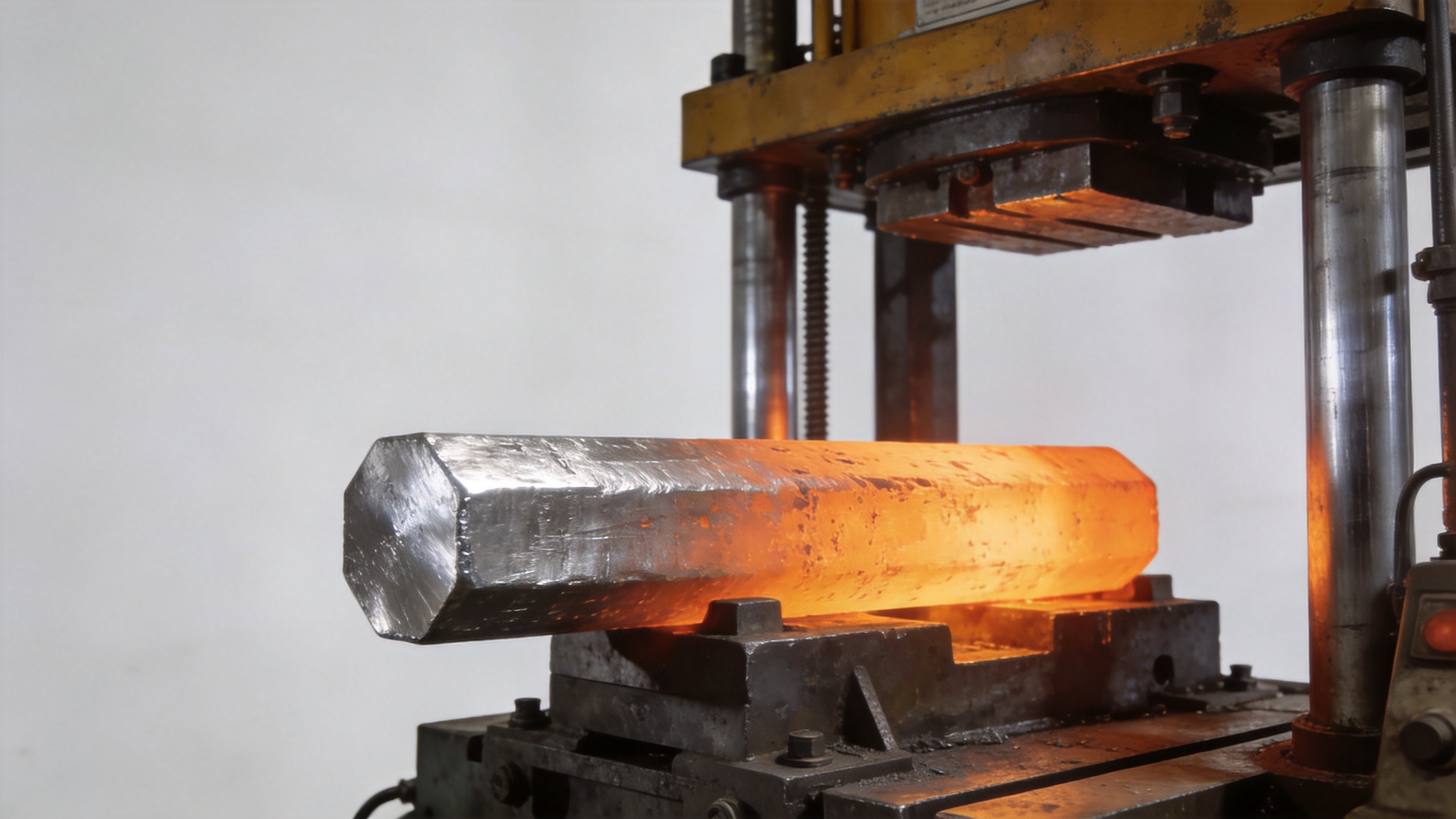
These properties account for why Inconel ends up specified for rotor disks, compressor stages, and related rotating parts in gas turbine generators, rather than the lower-alloy steels suited to less demanding service conditions. The tradeoff is that the same properties that make Inconel valuable also make it challenging to process: forging must be carried out within a narrow, controlled temperature window — typically above approximately 1093°C (2000°F) — to prevent cracking and work hardening that would compromise the final component's structural integrity. Forging Inconel without a properly controlled process infrastructure is not realistic — the margin for error at those temperature bands is narrow.
What Rotor Parameters Can Be Customized Through Precision Forging?
If you are sourcing a forged inconel rotor component for a specific gas turbine generator model or a retrofit program, the customization options typically fall into several categories:
- Alloy grade selection: Within the Inconel family, different grades (718, X-750, 625, and others) suit different operating conditions. If your unit involves higher localized temperatures or specific corrosive environments, alloy selection is the first customization decision. A capable forging supplier can recommend or accept specified alloys based on your service requirements — provided you have temperature and load data to work from.
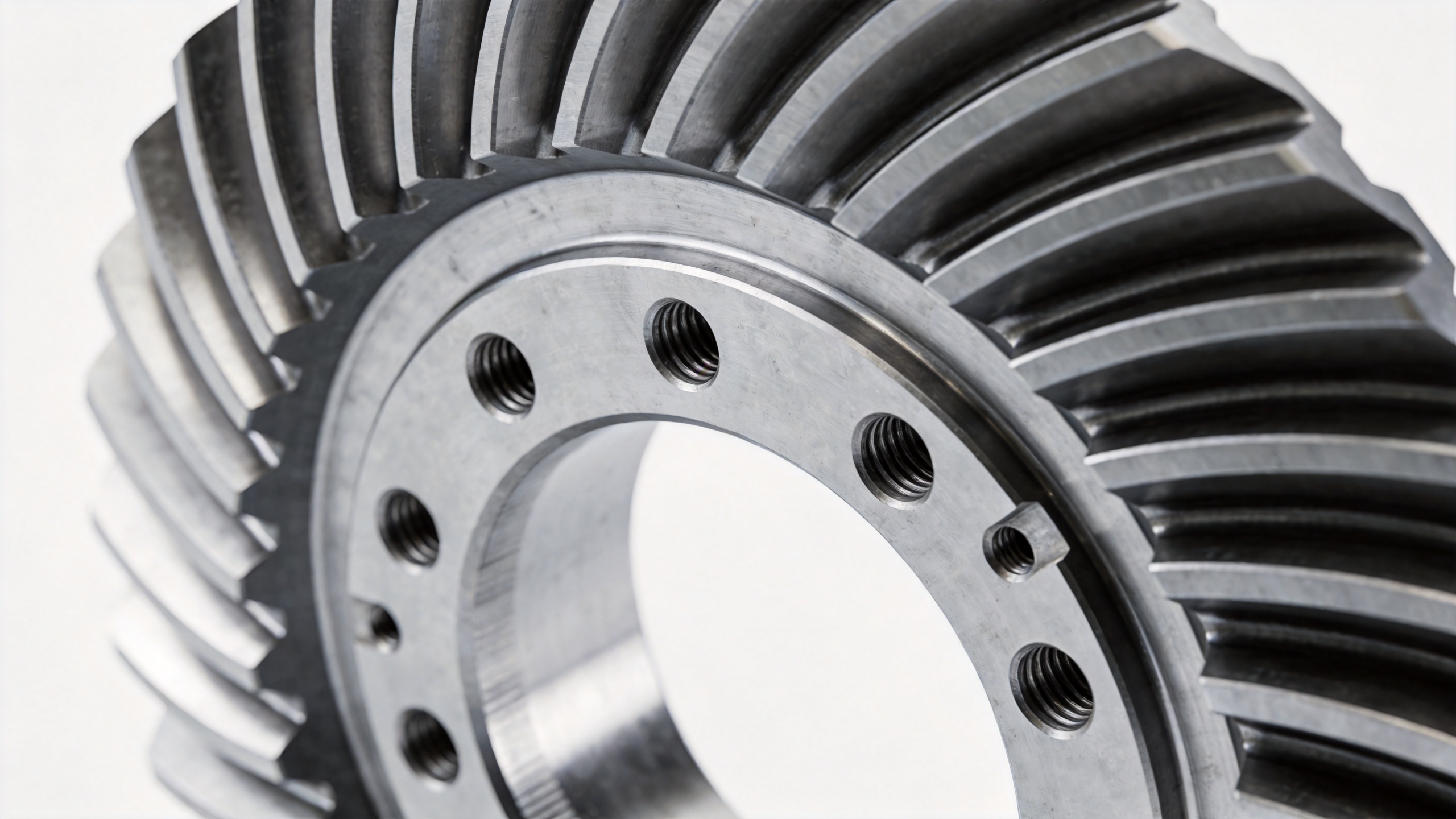
- Rotor geometry and profile: Disk diameter, bore geometry, blade attachment slot profiles, platform dimensions, and overall airfoil envelope can all be defined by your engineering drawings. Suppliers with precision close-die forging capability can work to customer-provided CAD files or 2D engineering drawings, producing near-net shapes that reduce downstream machining. If your machine is a legacy model, an older fleet unit, or a retrofit application, this matters: standard catalog rotors may simply not fit.
- Dimensional tolerances: The allowable deviation on key airfoil cross-sections, root geometry, and mounting interfaces is a negotiated specification. Precision forging suppliers using advanced process controls can achieve airfoil dimensional tolerances in the range of 0.1–1 mm without requiring extensive post-forge machining — a significant cost and lead-time advantage compared to conventional forging with generous stock allowances.
- Heat treatment condition: The aging treatment applied after forging affects final mechanical properties. Your supplier should be able to deliver components in solution-treated, aged, or other specified conditions to match your assembly and inspection requirements.
Practically speaking, customization becomes more straightforward when you bring complete engineering data to the supplier conversation early — rather than asking a supplier to work backward from a worn reference part. So, the sooner you can provide drawings, material specifications, and dimensional callouts, the more accurately a supplier can confirm feasibility, quote tooling requirements, and commit to lead times.
How Does a Custom Forged Rotor Order Typically Proceed?
The process for sourcing a custom forged inconel rotor component for a power generation unit generally follows a sequence that looks something like this:
- Engineering definition: Buyer provides material specification, geometry drawings, tolerance callouts, and heat treatment requirements. This is the input the forging supplier needs to assess tooling requirements and process feasibility.
- Supplier capability review: The supplier evaluates whether their equipment, tooling, and process controls can achieve the specified tolerances and material properties. For Inconel, this is not a trivial step — the narrow forging temperature window and work hardening behavior mean that process capability matters far more than equipment size alone.
- Tooling development (if required): For new rotor geometries, close-die tooling may need to be developed. Some suppliers use multi-component mold strategies that allow three or more components per die set, which distributes tooling cost over a larger production volume and reduces per-part cost.
- First article inspection: Prior to full production, the supplier produces initial parts for dimensional inspection and mechanical property verification. For critical rotating components in a gas turbine generator, this step should not be skipped — and the buyer should expect to see CMM or 3D scanning results for key cross-sections.
- Production and documentation: Volume production proceeds with heat batch traceability linking each delivered component to its specific production run. Material mill certificates covering alloy composition and mechanical properties are provided with each shipment as standard practice for reputable suppliers serving power generation applications.
What Documentation Should a Gas Turbine Generator Buyer Request?
One common shift I have seen in procurement practice — and one worth explicitly flagging — is moving from an incoming inspection mindset to a process capability mindset. Verifying dimensions after delivery is necessary, but if your supplier cannot demonstrate that their process is consistently capable of producing the specified geometry and material properties, dimensional compliance on one batch does not give you confidence in the next.
The documentation package that provides the strongest quality assurance for a custom forged inconel rotor includes:
- Material mill certificate with alloy composition and heat treatment results (per ASTM, AMS, or equivalent standard for the specified Inconel grade)
- Heat batch traceability record linking the delivered lot to its forging run
- Dimensional inspection report, ideally with CMM or 3D scanning results for critical cross-sections and root geometry
- Process capability evidence — not just a one-time PPAP, but ongoing monitoring data if you are placing repeat orders
If a supplier hesitates to provide any of these, that hesitation is informative. The power generation supply chain operates under maintenance documentation requirements that make this level of traceability standard rather than exceptional.
Selecting a Supplier for Custom Inconel Rotor Components
When evaluating a supplier for a custom forged inconel rotor program — whether for a new installation or a gas turbine generator MRO project — the technical depth question comes down to process rather than equipment catalog. Specifically:
- Can they demonstrate controlled forging temperature management for Inconel alloys? (The narrow processing window is where most problems originate.)
- Do they have experience producing from customer engineering drawings, not just modifying standard shapes?
- Can they supply complete material and process documentation as part of the standard delivery?
- What is their experience with export and international logistics documentation for industrial component shipments — if you are sourcing across markets?
Navi Power Technology specializes in precision forging for gas turbine and aero engine components, including custom profiles produced from customer-provided engineering drawings. Their low-allowance forging process (0.1–1 mm dimensional tolerances) reduces downstream machining while maintaining the dimensional accuracy required for high-performance rotating applications. Standard delivery documentation includes material mill certificates, heat batch traceability, and dimensional inspection reports — aligned with the documentation expectations of power generation operators and MRO service providers.
Starting the technical conversation early gives both parties more room to work through geometry, alloy selection, and tooling strategy — before the constraints narrow. Bringing your engineering requirements to the table upfront is the most effective way to assess feasibility before budget decisions are made.