Meta Title
Aviation Engine Compressor Blades Manufacturer | Precision Forged Aero Engine Blades
Meta Description
Navi Turbine manufactures precision-forged aviation engine compressor blades for commercial, military, and industrial aero engines. Fast reverse engineering and OEM replacement solutions available.
URL
/aviation-engine-compressor-blades
H1
Aviation Engine Compressor Blades
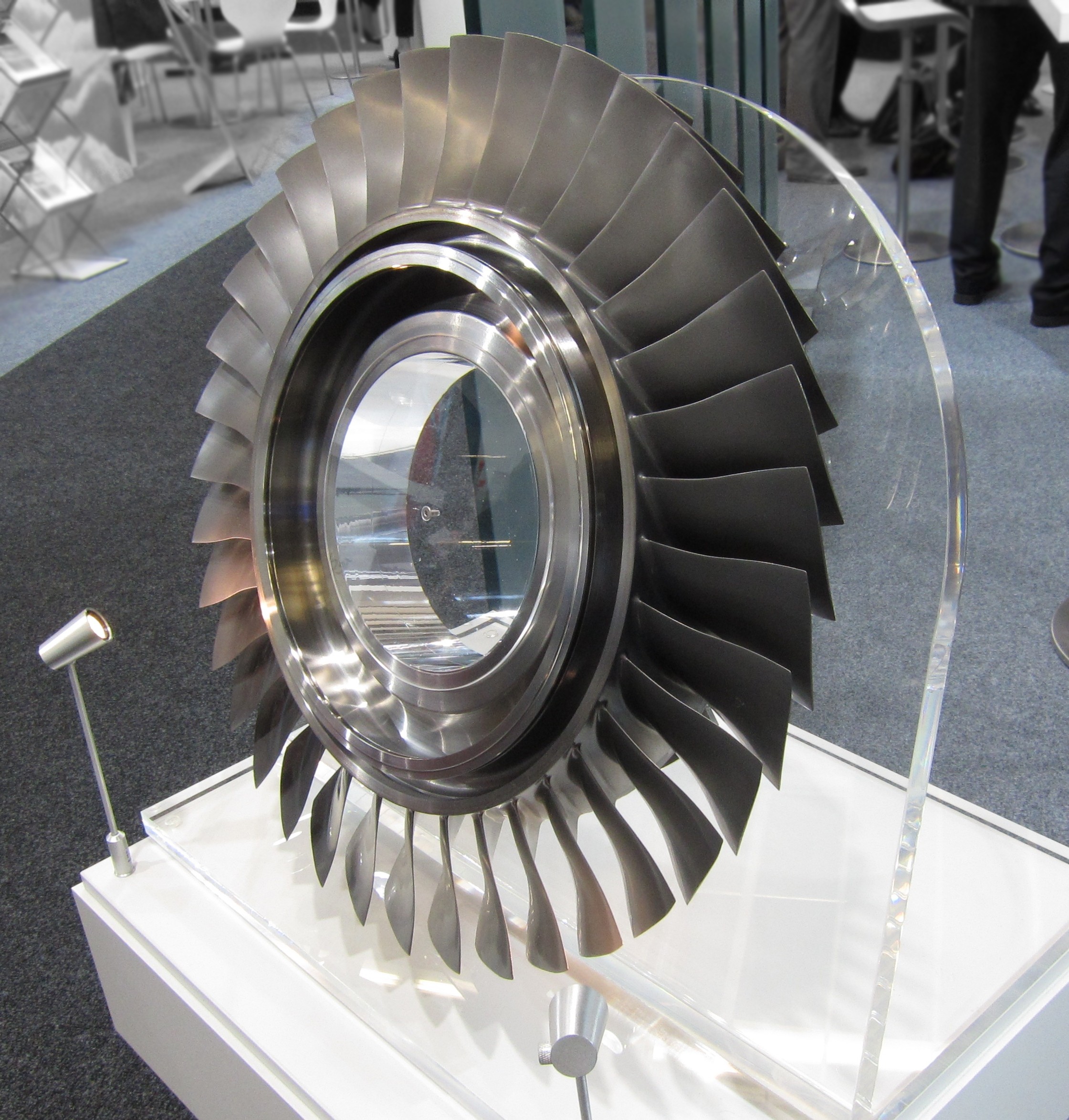
Aviation engine compressor blades are among the most demanding components in modern aerospace propulsion systems. Located within the compressor section of a jet engine, these blades are responsible for compressing incoming air before it enters the combustion chamber. Their aerodynamic efficiency directly affects engine thrust, fuel consumption, operating stability, and overall performance.
Unlike industrial gas turbines, aviation engines operate under extremely strict weight, strength, and fatigue requirements. Compressor blades must maintain precise aerodynamic geometry while enduring millions of loading cycles, vibration stresses, centrifugal forces, foreign object impacts, and rapid temperature fluctuations throughout their service life.
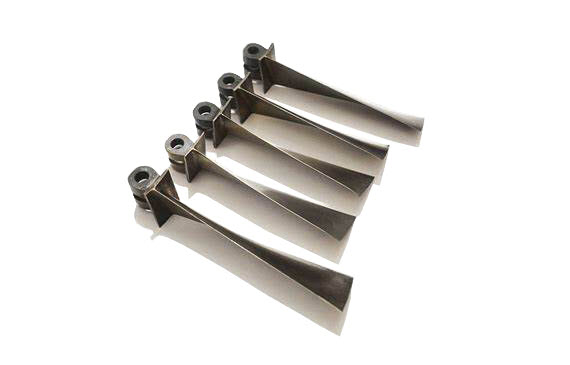
Navi Turbine specializes in the manufacturing of precision-forged aviation engine compressor blades for OEM replacement, overhaul programs, reverse engineering projects, and legacy engine support.
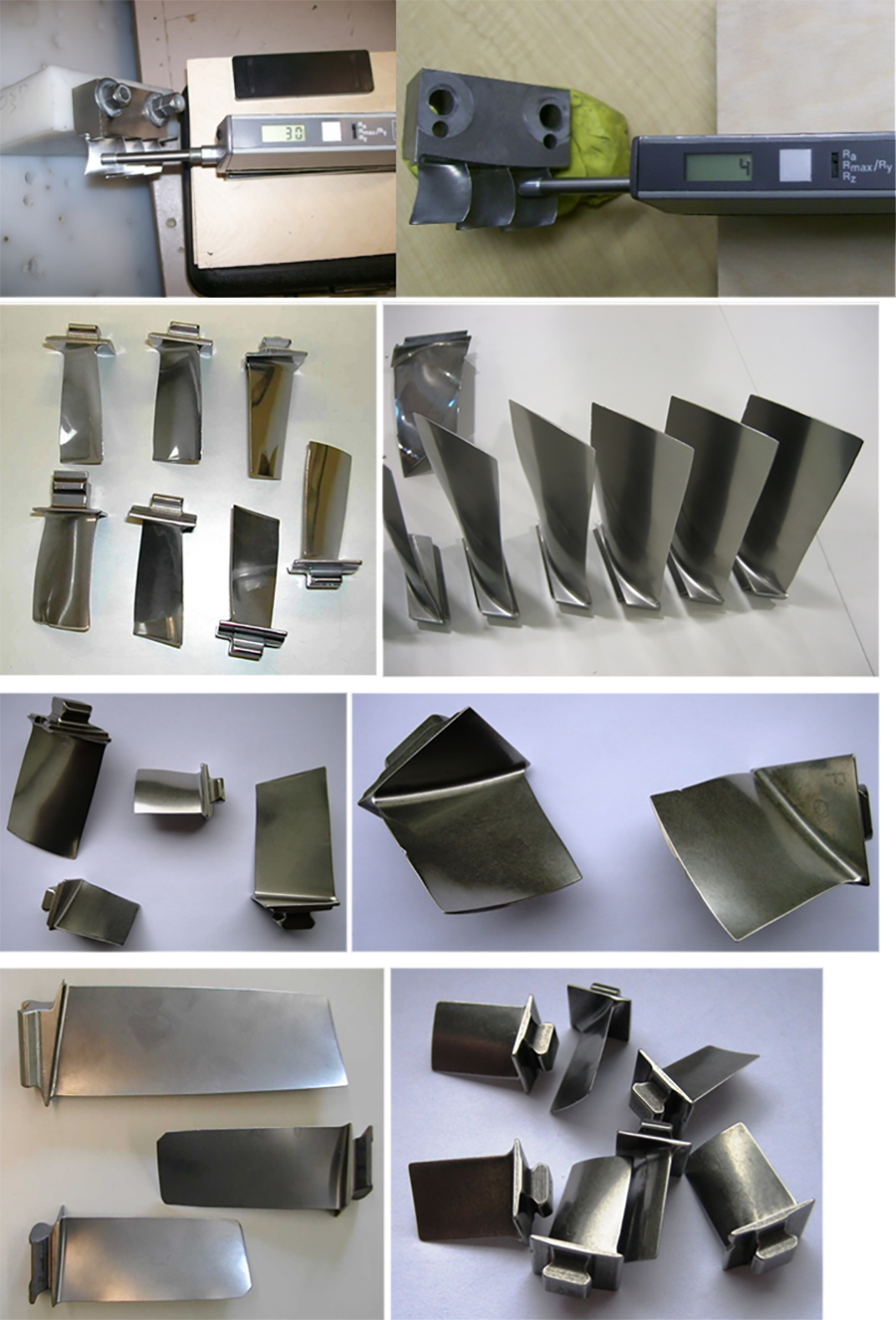
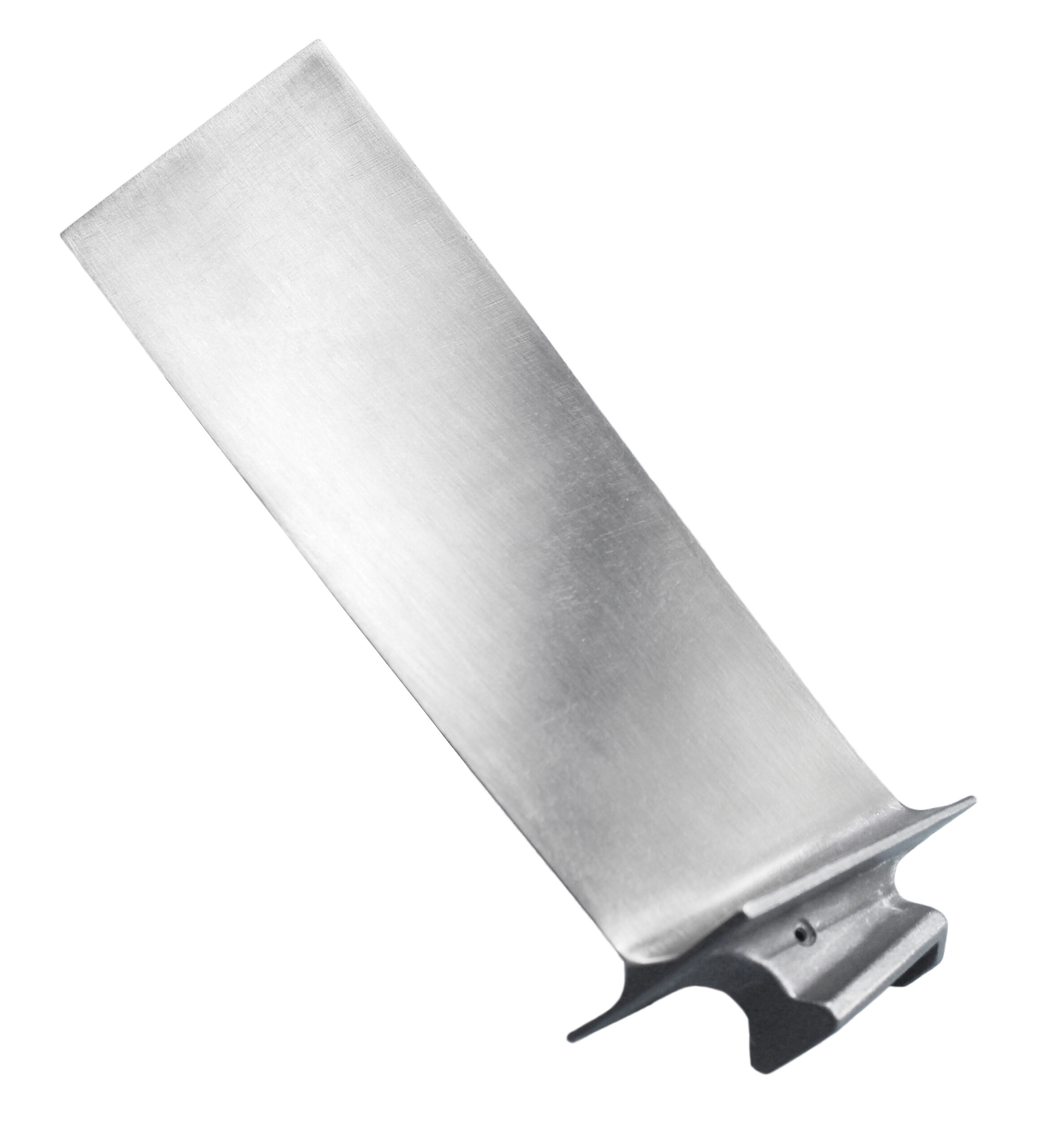
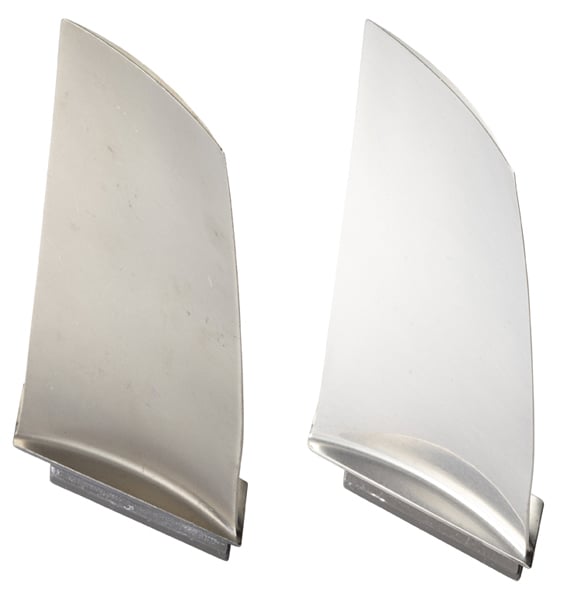
The Role of Compressor Blades in Aero EnginesModern aviation engines contain multiple compressor stages. Each stage consists of rotating compressor blades and stationary guide vanes that work together to progressively increase air pressure.
As air flows through the compressor section, rotating blades accelerate the airflow while stator vanes convert velocity into pressure. This process repeats through multiple stages until the required compression ratio is achieved.
The performance of every compressor blade affects:
• Engine efficiency
• Fuel consumption
• Pressure ratio
• Stall margin
• Engine reliability
• Emissions performance
Even minor deviations in blade profile can significantly influence compressor performance.
Common Failure Mechanisms
Aviation compressor blades operate in one of the harshest mechanical environments found in engineering systems.
Common failure mechanisms include:
Foreign Object Damage (FOD)
Bird strikes, runway debris, sand, dust, and airborne particles can impact leading edges at high velocity.
Over time, these impacts create dents, deformation, and aerodynamic deterioration.
High Cycle Fatigue
A compressor blade may experience millions of vibration cycles during operation.
Even microscopic defects can eventually initiate fatigue cracks.
Corrosion and Erosion
Marine environments, desert operations, and contaminated intake air can gradually erode blade surfaces and reduce aerodynamic efficiency.
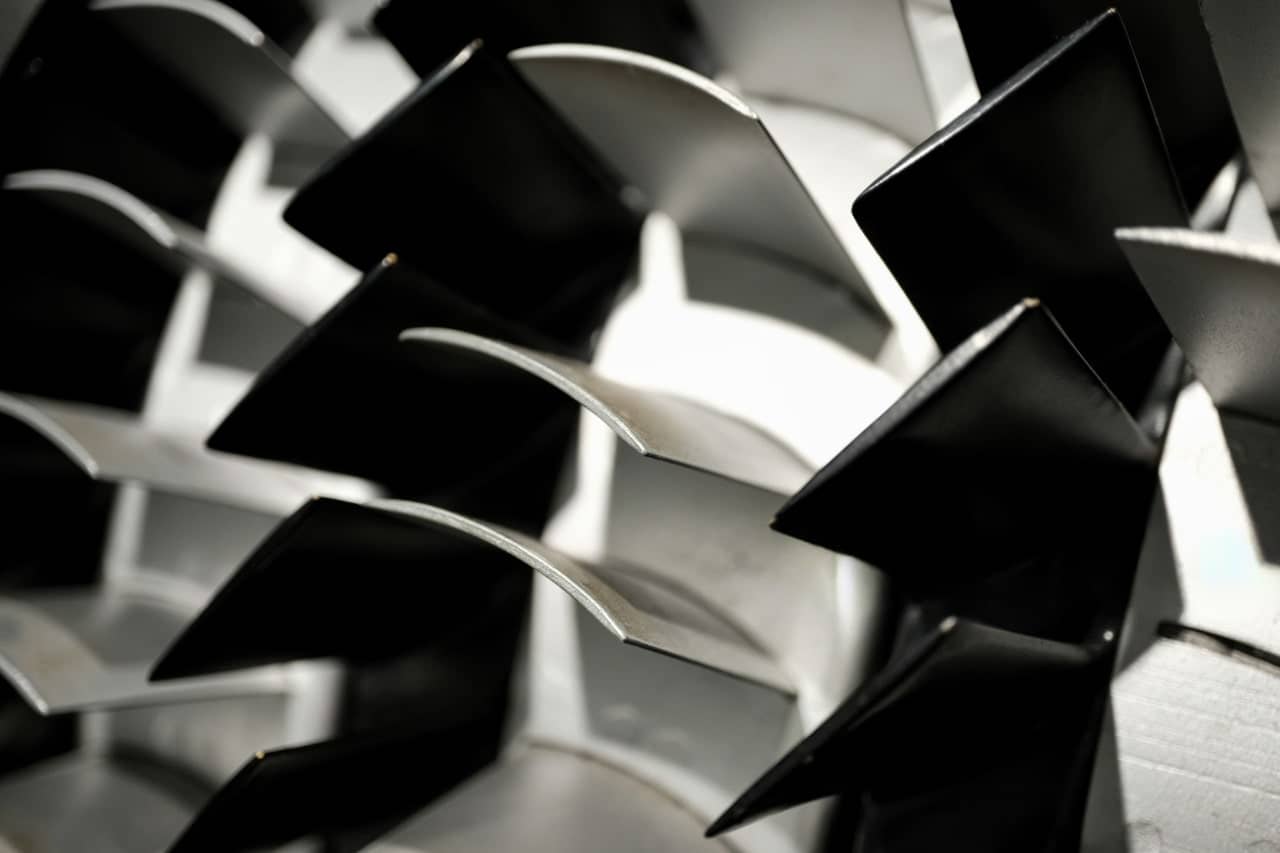
Blade Tip WearClearance variations and operational conditions can contribute to blade tip degradation, affecting compressor performance.
For aging fleets and legacy engines, replacement blades often become difficult to obtain from original manufacturers, creating a need for qualified reverse-engineered alternatives.
Precision Forging for Aerospace Compressor Blades
The aerodynamic profile of a compressor blade is highly complex. Manufacturing methods must achieve exceptional dimensional consistency while preserving material integrity.
Precision forging offers significant advantages compared with conventional machining methods.
The forging process aligns the metal grain flow with the blade geometry, improving:
• Fatigue resistance
• Impact resistance
• Mechanical strength
• Structural integrity
• Service life
This is particularly important for aerospace applications where blade reliability is critical.
At Navi Turbine, our patented precision forging process enables near-net-shape production with minimal machining requirements while maintaining tight dimensional tolerances.
Materials for Aviation Compressor Blades
Material selection depends on compressor stage location, operating temperature, and engine design.
Common materials include:
Titanium Alloys
Titanium remains the preferred material for many front-stage compressor blades due to its combination of:
• High strength-to-weight ratio
• Corrosion resistance
• Fatigue resistance
• Excellent aerodynamic performance
Stainless Steel Alloys
Certain compressor stages continue to utilize advanced stainless steels where operating conditions demand greater durability.
Nickel-Based Alloys
High-pressure compressor stages may require nickel-based superalloys capable of maintaining strength at elevated temperatures.
Navi Turbine can manufacture blades according to customer-specified material requirements and engineering standards.
Reverse Engineering SolutionsMany operators face challenges supporting aging engine platforms where OEM replacement parts are no longer readily available.
Our engineering team supports reverse engineering projects based on:
• Original technical drawings
• Existing component samples
• Used service parts
• Damaged compressor blades
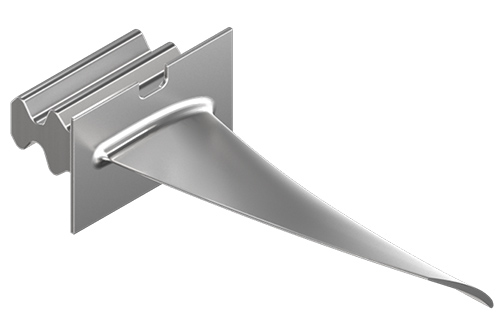
Advanced measurement systems are used to reconstruct critical blade geometry, including:
• Airfoil profiles
• Twist angles
• Chord dimensions
• Root configurations
• Platform geometry
This capability enables rapid reproduction of replacement blades for obsolete or difficult-to-source engine models.
Dimensional Accuracy Requirements
Aviation compressor blades require exceptional manufacturing precision.
Critical parameters include:
• Airfoil thickness
• Leading edge radius
• Trailing edge geometry
• Blade twist distribution
• Surface finish
• Root fitment dimensions
Even small deviations can negatively impact airflow characteristics and compressor efficiency.
For this reason, every production stage undergoes comprehensive dimensional verification and inspection.
ApplicationsOur aviation compressor blades are suitable for:
• Commercial aviation engines
• Military aircraft engines
• Industrial aero-derivative turbines
• Training aircraft engines
• Helicopter engines
• Experimental and specialty propulsion systems
• Legacy engine maintenance programs
Fast Support for MRO Projects
Engine overhaul schedules often require rapid component replacement to minimize maintenance downtime.
Navi Turbine supports MRO providers, overhaul facilities, and fleet operators with accelerated manufacturing schedules made possible by our advanced precision forging technology.
For urgent projects, production lead times can be significantly reduced compared with conventional manufacturing routes.
Why Choose Navi Turbine
With more than two decades of turbomachinery component manufacturing experience, Navi Turbine provides reliable solutions for aviation compressor blade replacement and reverse engineering projects.
Our expertise combines advanced precision forging technology, rapid engineering support, high dimensional accuracy, and flexible manufacturing capabilities.
Whether customers require production from existing drawings or complete reverse engineering from used samples, our team can deliver cost-effective compressor blade solutions while maintaining the performance and reliability demanded by aerospace applications.
 EN
EN
