 EN
EN

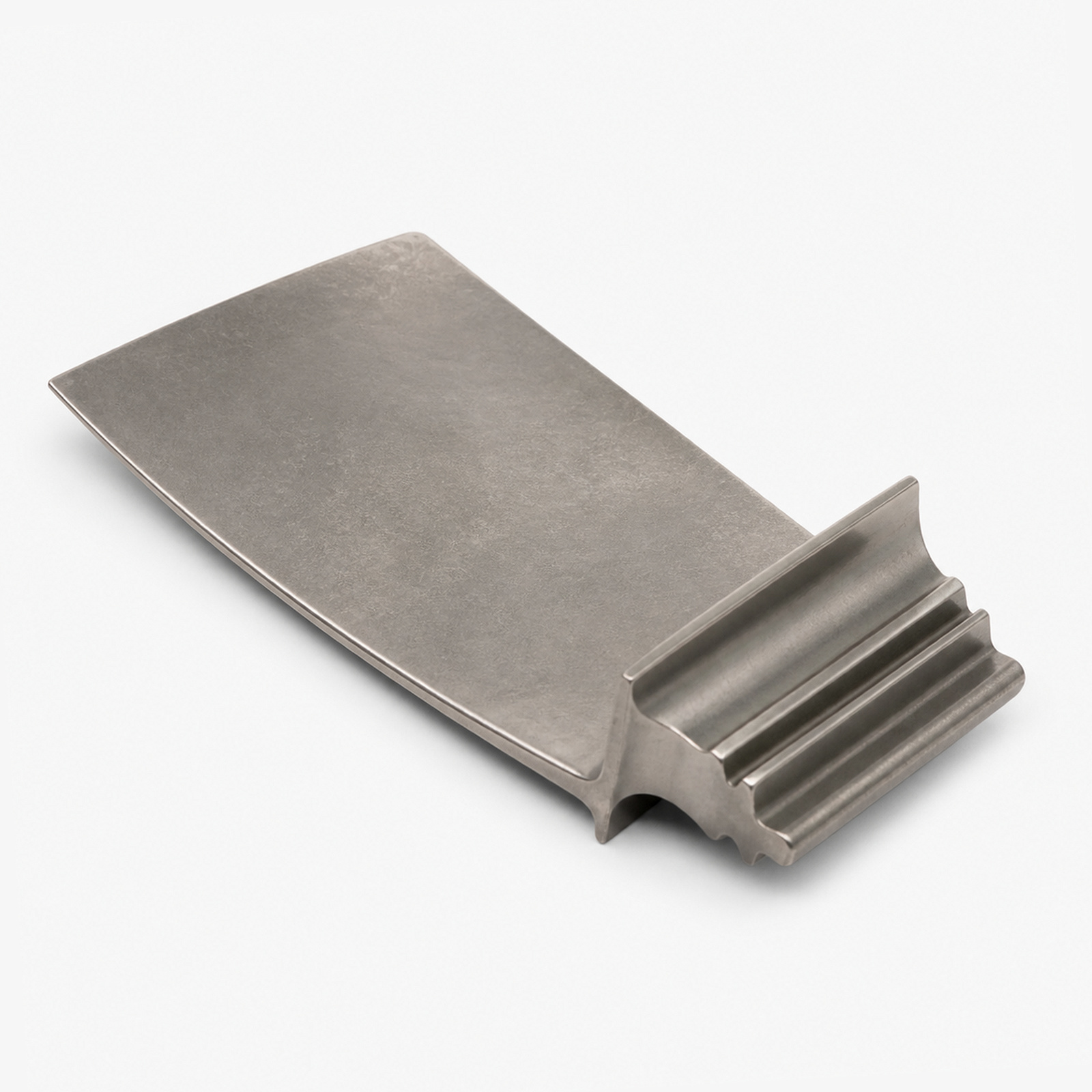
How Much Time Can Be Saved By Fast Delivery stator vane Manufacturers?
When a turbine goes down outside the planned maintenance window, the question that matters most is not how good your replacement stator vane is on paper — it's how fast you can get it in hand. For MRO teams managing gas turbines in power generation or industrial applications, stator vane delivery lead time is the variable that determines how many hours of unplanned outage you absorb before the unit is back online.
We used to prioritize supplier familiarity when sourcing stator vane components. After absorbing an extended unplanned outage because our primary stator vane supplier had a six-week backlog, the calculus shifted entirely toward lead time reliability as the first-order criterion.
Why stator vane Lead Time Matters More Than You Think
Stator vanes are not a commonly stocked item in most MRO inventories. Their stage-specific geometry means that a stator vane for one turbine model is not interchangeable with another, and operators rarely hold spare sets unless they manage large fleets. This creates a procurement dependency: when a stator vane fails or reaches its replacement threshold, you're in the market for a part that has to be manufactured, inspected, documented, and shipped — and the clock starts the moment the turbine shuts down.
Behind that urgency is a real financial equation. Electric utilities can face direct costs exceeding $300,000 per hour from unplanned outages. For industrial operators, research data puts the figure at around $125,000 per hour across a broad base of industrial businesses. In oil and gas applications, the number can reach hundreds of thousands per hour. So, practically speaking, what does a two-week reduction in stator vane delivery actually mean in dollar terms? It means tens of thousands to hundreds of thousands of dollars returned to operational budget, depending on your sector and unit size.
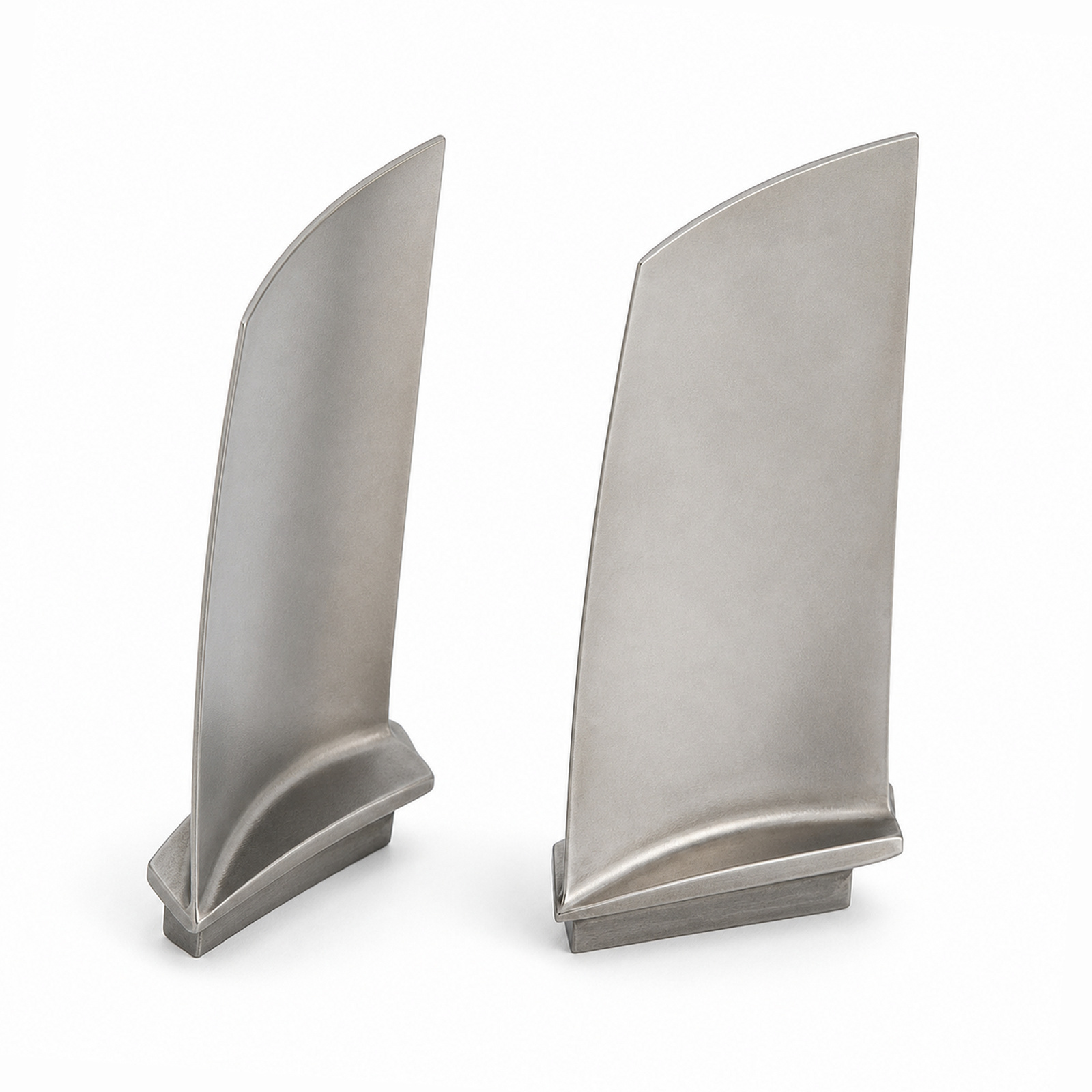 Stator vane inspection during planned MRO service — delivery timing determines how quickly a turbine can return to operation.
What Does "Fast Shipment" Actually Mean for stator vane Procurement?
Fast shipment is a phrase that deserves some grounding before it becomes a marketing claim without substance. In practice, stator vane lead times vary significantly depending on the supplier's manufacturing readiness, production queue, and logistics capability.
Standard industry experience suggests six to eight weeks for specialty stator vane orders from suppliers without dedicated short-run capacity or pre-staged production. Fast-turnaround stator vane manufacturers — those with optimized production scheduling, flexible capacity for smaller MRO quantities, and established export logistics — can compress stator vane delivery to a few weeks in many cases, and in some scenarios even faster for repeat-profile orders where tooling and material are pre-qualified.
Airfoil profile tolerance is expressed in millimeters — but operationally, a stator vane manufacturer who has already validated your turbine's stage geometry can move back into production faster than one starting from a new drawing set. That distinction — repeat order versus first-article production — is one of the largest determinants of how compressed a stator vane delivery timeline can realistically be.
How Much Time Can You Actually Save with Fast Delivery stator vane Supply?
Comparing a standard stator vane supplier at six to eight weeks against a responsive manufacturer with compressed production capability, the realistic time savings range from two to four weeks in most scenarios. For unplanned outages where the turbine is offline and the cost meter is running, that window represents a meaningful reduction in total downtime exposure and a significant chance to reduce downtime costs.
A few dimensions shape the actual savings on any stator vane order:
- Drawing availability: If the stator vane manufacturer already holds your turbine model's profile data from a prior order, the production cycle starts faster. New-profile stator vane jobs require drawing review, tool preparation, and first-article checks that add time regardless of how responsive the manufacturer is.
- Order quantity: Smaller MRO stator vane quantities can often be batched into active production runs more quickly than large-volume orders that require dedicated scheduling windows.
- Logistics preparation: A stator vane manufacturer with established international export documentation processes — mill certificates, dimensional reports, commercial invoices, packing records — can reduce the time between manufacturing completion and cleared shipment by days, sometimes a week or more for cross-border orders.
- Communication responsiveness: Technical pre-sales support that confirms stator vane dimensional compatibility before order placement eliminates re-work and return cycles that often add one to two weeks to the effective delivery timeline.
What Enables a stator vane Manufacturer to Deliver Faster?
Not every precision forging manufacturer can compress stator vane lead times without compromising quality. Genuine fast-delivery capability is built into production design — not just listed as a feature in a sales conversation. A few factors separate stator vane manufacturers who can actually deliver quickly from those who can only promise it.
Low-allowance forging processes — those that achieve stator vane airfoil dimensional tolerances in the 0.1 to 1 mm range — reduce the downstream machining required after forging. Less post-forging work means the stator vane moves from the press to inspection faster. This is one of the process-level enablers that contributes to a shorter total production cycle, not just a narrower tolerance claim.
Production scheduling flexibility for MRO stator vane quantities is another differentiator. Manufacturers whose capacity is structured primarily for high-volume OEM supply may have difficulty accommodating smaller MRO stator vane orders without significant queue delay. Suppliers with established MRO-oriented production scheduling can insert smaller stator vane orders into active production sequences with less disruption to lead time.
Documentation readiness is another factor buyers often underestimate. Material certification, dimensional inspection reports, and heat batch traceability records are expected by regulated power generation and industrial gas turbine operators sourcing stator vane components. Manufacturers who ship these documents with every stator vane order — rather than treating them as a special request — remove a common source of delay between production completion and accepted delivery, which helps reduce downtime tied to paperwork hold-ups.
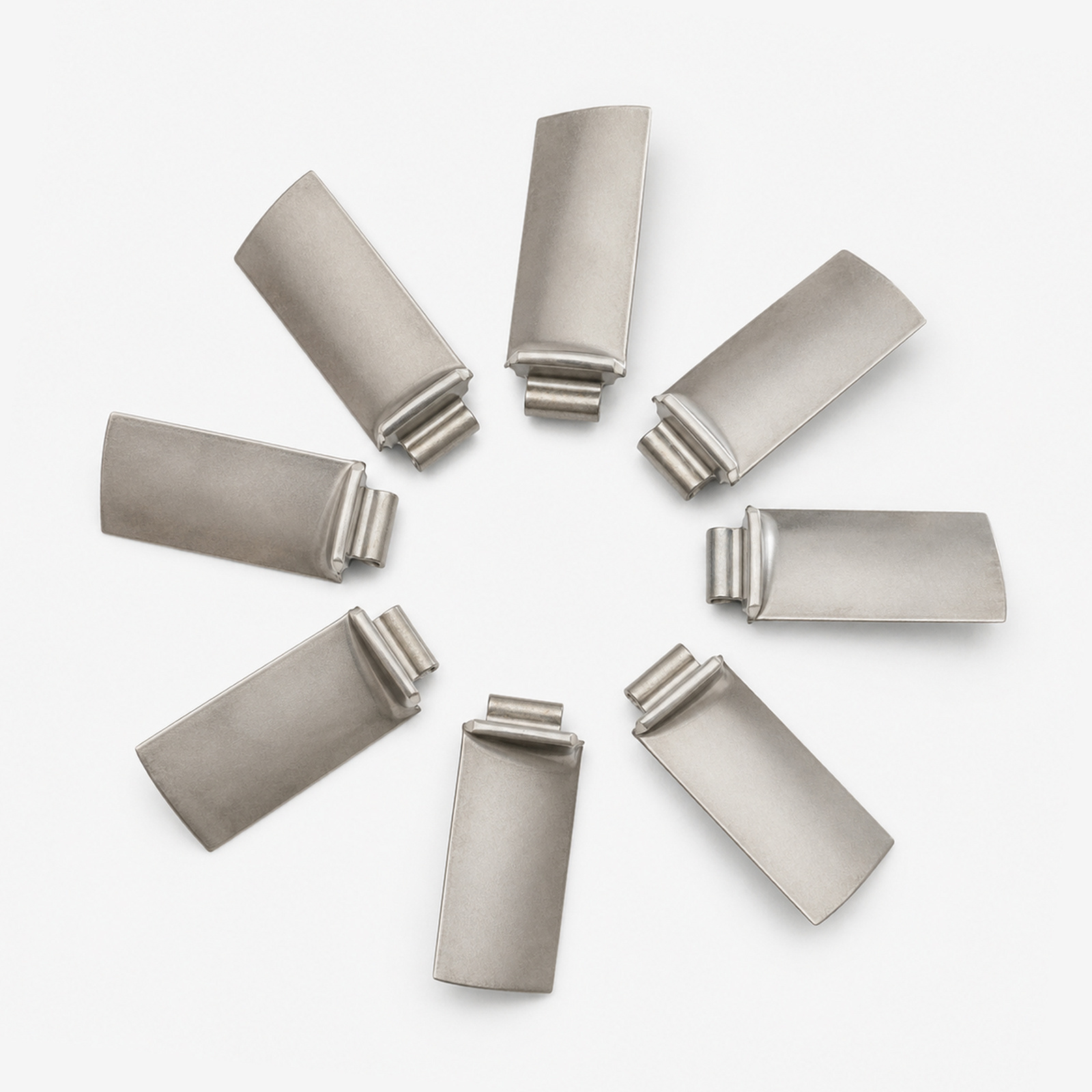 Low-allowance precision forging reduces post-forging machining requirements, shortening the total stator vane production cycle.
Planning Around Fast Shipment: How to Use stator vane Sourcing Effectively
Fast-delivery stator vane capability is most valuable when it's part of a planned procurement strategy, not only a reactive option when a turbine is already offline. Establishing a working relationship with a responsive stator vane manufacturer before an unplanned event gives you a pre-qualified supply path that can be activated quickly when you need it most.
In practice, this means running a qualification order for your specific turbine stage stator vane profiles during a non-urgent window, confirming dimensional fit, reviewing documentation quality, and validating the supplier's communication responsiveness. When an unplanned event happens — and for operators managing assets with active service hours, the question is when, not if — you're not introducing a new stator vane supplier into a high-pressure situation. You're triggering an established supply relationship.
Before deciding whether your current supplier meets your stator vane lead time needs, it's worth asking: have you actually benchmarked your existing stator vane supplier's delivery timeline against an alternative, or is the relationship simply familiar? Familiarity and reliability are not the same variable, and the difference becomes visible when your turbine is offline and you need to reduce downtime as quickly as possible.
For procurement teams managing turbines across Asia, North America, or South America, stator vane suppliers with established international export logistics reduce the unpredictability of cross-border delivery, which adds another layer of time certainty to the total lead time equation.
Conclusion
It is worth noting that this comparison holds across a range of procurement scenarios: both emergency replacement and planned overhaul supply benefit from shorter lead times, though the financial urgency differs between them. In planned scenarios, a compressed cycle allows tighter alignment with outage windows and reduces the need to hold expensive spare inventory. In emergency scenarios, the value is more immediate and directly tied to the cost of each additional day offline.
The time savings from working with a fast-delivery stator vane manufacturer are measurable: typically two to four weeks compressed from a standard six-to-eight-week stator vane supply cycle. Valued against the hourly cost of unplanned turbine downtime, those weeks translate directly into operational savings that far exceed any price premium from a responsive stator vane manufacturer.
The stator vane manufacturers who consistently deliver within that compressed window are those with process-level advantages: precision forging capability, MRO-oriented production scheduling, pre-staged export documentation, and technical responsiveness that begins before the order is placed. If your current procurement strategy depends on a single stator vane supplier with variable lead times, qualifying a fast shipment alternative is the most direct way to reduce downtime risk in your next unplanned event.