 EN
EN

how-short-is-the-lead-time-for-bulk-compressor-blade-orders, how-short-is-the-lead-time-for-bulk-compressor-blade-orders, /news
EN
2026/10/13
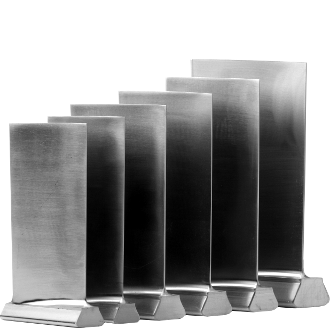
Buyers planning a maintenance campaign always ask the same question: how short is the lead time for a bulk compressor blade order? The honest answer depends on drawings, material and capacity—but modern forging can compress it sharply when the right steps are taken early.
A Middle East operator running a mechanically-driven gas turbine forwarded complete drawings and material specs to the forge. The supplier produced high-precision forged blades through patented 3-mold technology and shipped the batch within a short window. After installation the unit ran flawlessly, meeting every performance target the buyer set from day one.
The customer released CAD drawings, the alloy specification (Inconel 718) and the tolerance envelope up front. With raw material already in stock, the forge faced no procurement delay. Batch production started the same week, and first-article inspection passed on the initial submission without corrective loops or late surprises. The buyer also shared inspection checkpoints up front, which removed ambiguity during review and kept the batch on its original track.
Long lead time forces plants to extend outages or run degraded units. Every week of stalled output erodes revenue and raises the risk of cascading failures across the train. For a gas turbine, a delayed bulk compressor blade set can mean a six-figure daily loss during peak demand, before any blade even ships.
Traditional single-cavity tooling forges one blank per stroke. 3-mold technology places three cavities in a synchronized cluster, tripling output per press cycle. This parallel molding is the single largest driver of shorter manufacturing lead time for a compressor blade bulk order, since throughput rises without adding press hours.
Mold changeover eats calendar days on conventional lines. Pre-built dual-tooling lets one cavity run while the second is set, hiding changeover behind production. Steady production capacity plus pre-staged tooling keeps the schedule moving instead of waiting on setup, so a bulk order advances every shift.
Forged batches follow ISO 9001 production control with documented process parameters and traceable inspection records. Where the application demands it, PPAP submission confirms capability before volume runs. This disciplined control prevents rework loops that otherwise stretch the supply chain and the promised delivery schedule for the buyer.
Early drawing release lets the forge pre-stage tooling and book press time. Once the delivery schedule is locked, material and capacity are reserved against your bulk order, protecting it from competing demand. Buyers who share prints ahead of the outage window gain the widest set of start dates.
Ask for dual-tooling on critical profiles and request raw material pre-stock for your alloy. Just-in-time logic works both ways: pre-positioned stock and standby molds turn a long manufacturing lead time for a compressor blade into a short, predictable one that the planner can defend.
Question 1: What is a realistic lead time for a bulk compressor blade order? Answer: A realistic lead time for a bulk compressor blade order ranges from three to eight weeks once drawings are released and material is staged. 3-mold forging and pre-stocked alloy cut the window further. Complex superalloys or first-time tooling add several weeks. Confirm press capacity and tooling status before committing the outage dates with your plant.
Question 2: Why does 3-mold technology shorten manufacturing lead time? Answer: 3-mold technology triples forged output per press stroke by running three cavities in parallel. Batch production throughput rises without extra press hours. This parallel molding is the core reason bulk programs finish faster. Combined with pre-built tooling and hidden mold changeover, the manufacturing lead time for a compressor blade bulk order drops sharply while dimensional quality stays controlled under ISO 9001.
Question 3: How can buyers reduce the delivery schedule on a large order? Answer: Buyers shorten the delivery schedule by releasing drawings early, requesting dual-tooling and pre-stocking raw material for the specified alloy. Locking the production capacity reserve protects the bulk order from competing demand. Early alignment with the supplier's supply chain prevents avoidable weeks of waiting. Clear communication keeps the delivery schedule predictable and on track.
Question 4: When should PPAP be requested for forged blades? Answer: PPAP should be requested when the compressor blade enters a safety-critical or regulated train, or when a new profile runs for the first time. It confirms process capability and documentation before volume production. Most standard reorders rely on ISO 9001 control alone, but PPAP adds assurance where downtime risk is severe and unplanned.
Question 5: Which factors most affect the MOQ and final lead time? Answer: The MOQ and final lead time for a compressor blade depend on alloy type, profile complexity, tooling status and press capacity. Common stainless or Inconel grades with stock need smaller minimums. Rare superalloys or fresh tooling raise both MOQ and manufacturing lead time. Early drawing release and dual-tooling keep the bulk order on a tight schedule.