 EN
EN

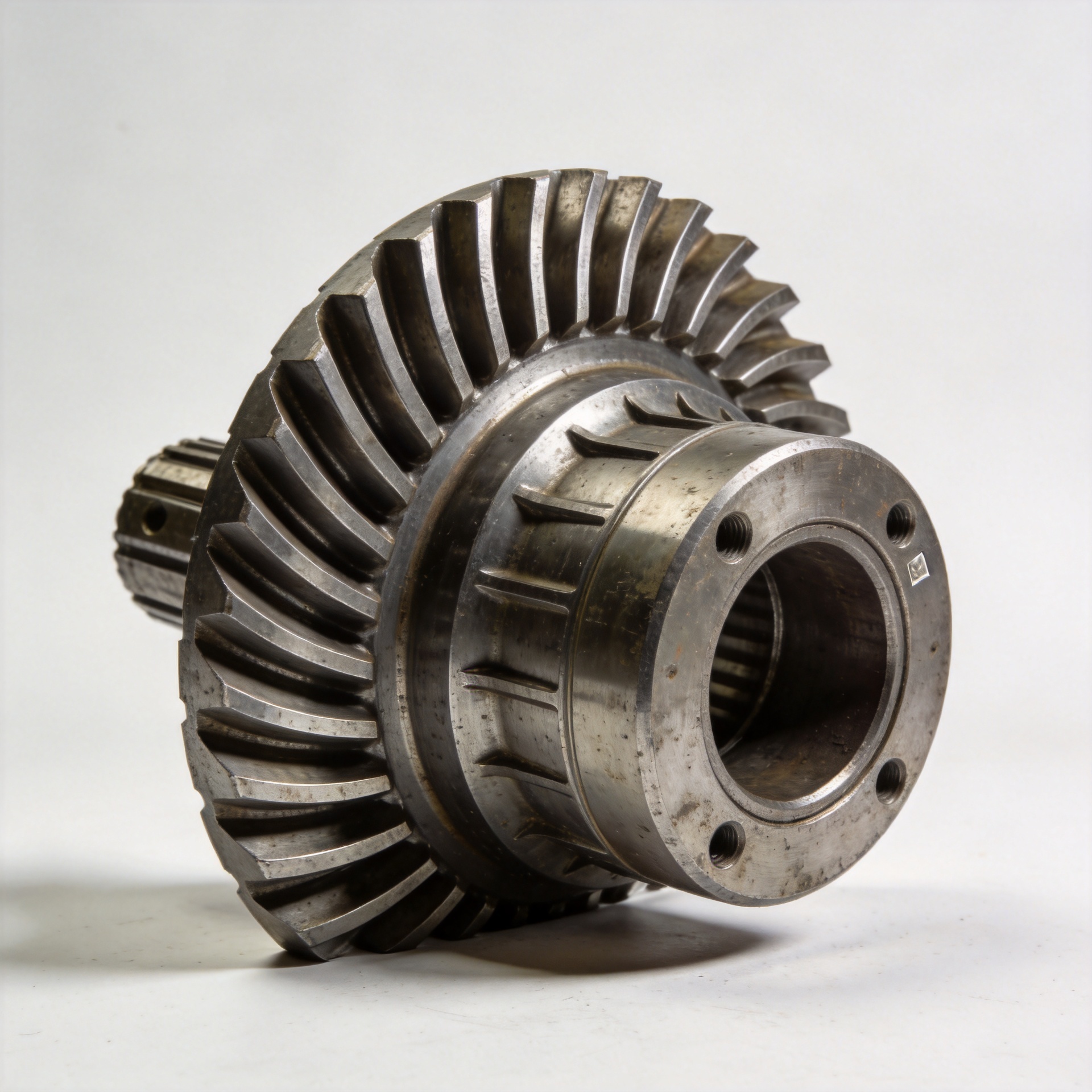
How To Customize Replacement Blades For Old Gas Turbine Compressor Units?
Anyone who has managed maintenance on an aging industrial power plant knows the challenge firsthand: you need replacement blades for a gas turbine compressor section that has been running for fifteen or twenty years, the original equipment manufacturer may no longer actively support that model, and whatever documentation you have is incomplete, worn, or inconsistent. That situation, which is far more common than OEM sales brochures suggest, is exactly where blade customization decisions become both critical and genuinely difficult.
This guide walks through the decision path that turbine maintenance engineers and MRO procurement teams typically follow when sourcing and specifying customized replacement spare parts for older gas turbine compressor units. The steps below hold for most axial compressor configurations, though I should acknowledge upfront: the specific alloy choices, dimensional tolerances, and inspection protocols will depend on the exact turbine model, stage position, and operating environment. Treat this as a framework, not a universal prescription.
Step 1: Identify and Verify the Blade Specification for Each Affected Stage
The starting point for any blade customization program is the current specification — or, more accurately, what remains of it. For older gas turbine compressor units, you are likely working from one of three situations:
- Complete drawings are available. This is the ideal scenario, though you should still confirm confirm that the drawings reflect the currently installed blade geometry, not an earlier revision superseded by a service bulletin.
- Partial documentation only. You may have material certificates and some dimensional data, but the airfoil profile is missing or described only at a few cross-sections. This is where a capable supplier's pre-sales engineering review becomes essential.
- No usable drawings. More common with older units and discontinued turbine models. Here, reverse engineering from a reference sample is the standard path — but only if you have a blade in acceptable condition to use as the dimensional baseline.
The realization that changed my approach to this: matching alloy grade on paper does not automatically translate to equivalent service life in your specific operating environment. Stage position matters. A front compressor stage in a dusty industrial environment faces different erosion loads than a rear stage running at higher temperatures and pressures. The specification must reflect where the blade actually operates, not just the nominal material grade.
Step 2: Determine Material Requirements for the Target Application
Gas turbine compressor blades are typically manufactured from titanium alloys or nickel-based superalloys, depending on stage position and operating temperature. For older units, one common complication is alloy equivalence: the OEM may have specified a Western-designation alloy , such as a titanium alloy grade from a US or European standard, and you need to confirm that a replacement blade manufactured from a Chinese-produced alloy equivalent actually meets the mechanical property requirements.
This is not a theoretical concern. Material certification documentation, including mill certificates with alloy composition and measured mechanical properties, should be a standard deliverable from any serious blade supplier. Request the documentation format upfront, and if your quality system requires English-language certificates, verify that the supplier can provide them. Gaps in documentation at the ordering stage typically get worse by the time the parts arrive.
For unit overhaul programs that involve multiple stages, the material selection for each stage position needs individual review. The alloy that makes sense for Stage 1 may not be appropriate for Stage 6 or Stage 12 of the same compressor. This holds even if previous procurement rounds used the same grade across the full set — it is worth re-examining, particularly if the operating conditions have changed since the original selection.
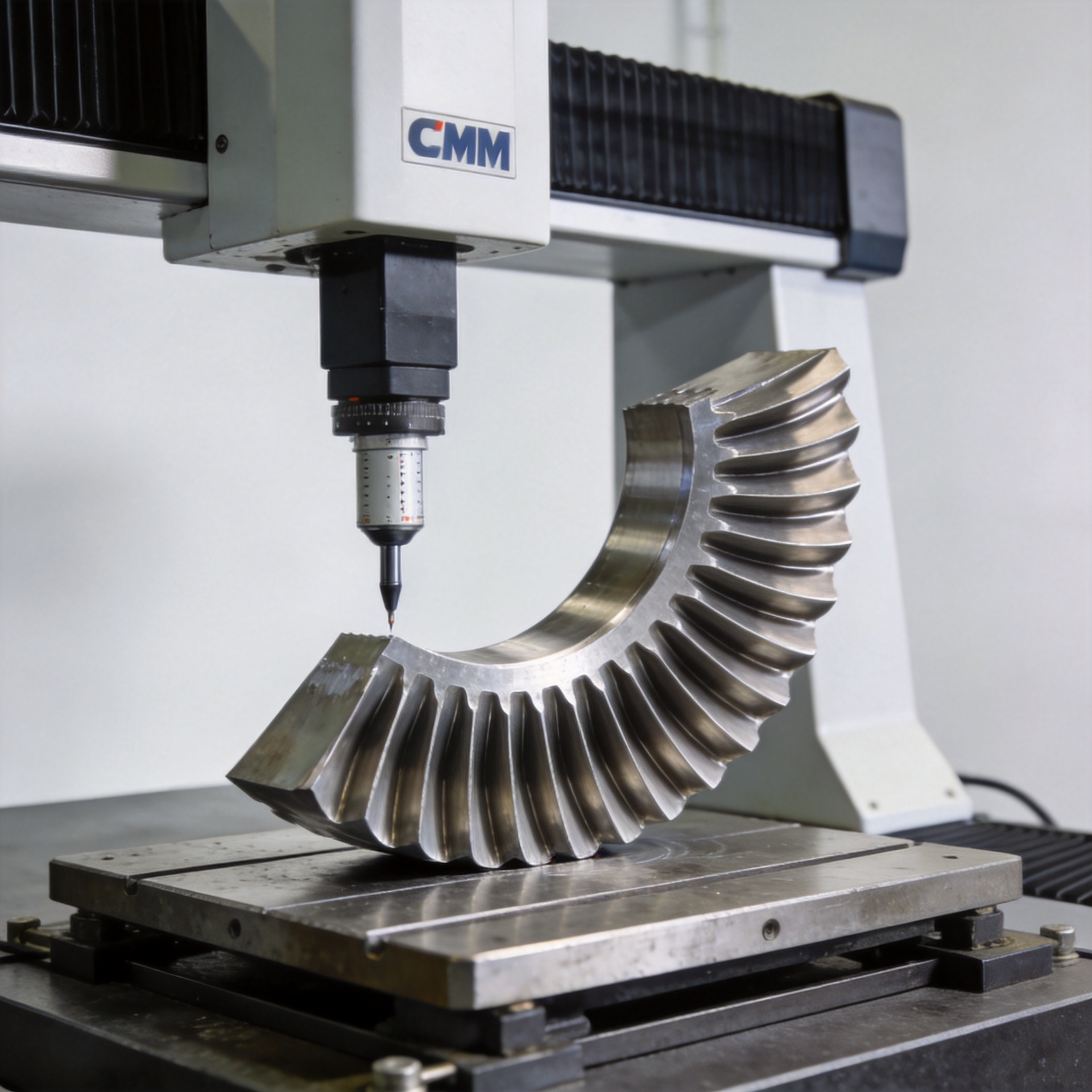
Step 3: Choose the Appropriate Supply Path — OEM, Alternate Source, or Custom Forged
For older gas turbine compressor units, three main supply paths exist, each with different risk and cost profiles:
- OEM or OEM-authorized parts. The safest choice where available and where the unit is within warranty or covered by an active service agreement. For older models, active OEM support may be limited or priced at significant premium.
- Alternate-source precision forgings. Suppliers with documented capability for custom airfoil profile production based on customer engineering drawings can produce replacement spare parts to the required specification at competitive pricing. The critical variable is the supplier's dimensional inspection and material certification capability , meaning documented capability rather than claimed capability.
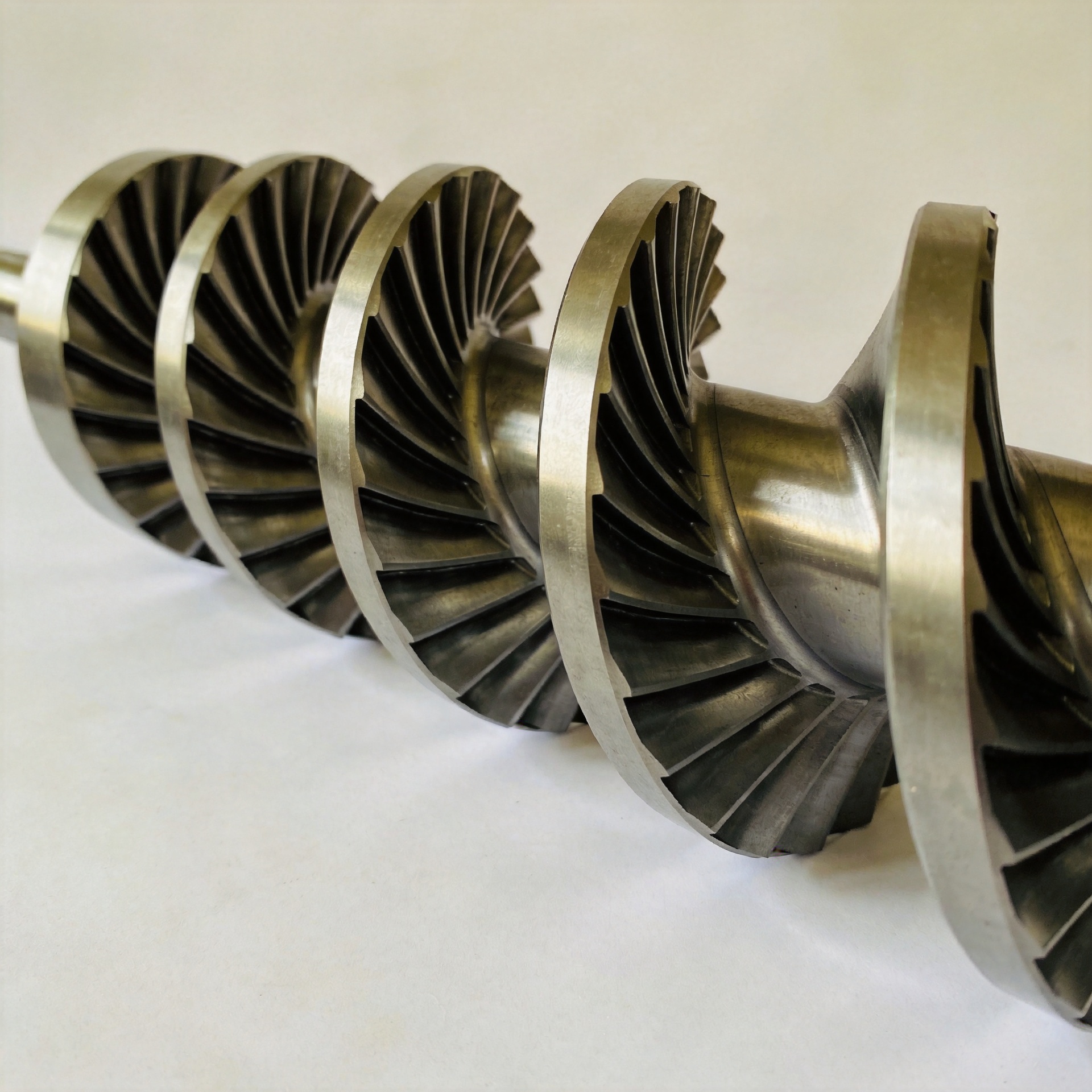
- Reverse-engineered blades from sample measurement. When original drawings are unavailable, a qualified supplier can develop the specification by measuring a reference sample blade using CMM or 3D scanning, then producing a replacement to that measured profile. This path works, but requires a sample blade in good enough condition to serve as the dimensional baseline.
We used to prioritize lowest unit price in replacement spare parts procurement. After experiencing a supply disruption during a scheduled overhaul where the supplier could not deliver to the required timeline because they had not previously made the profile the calculus shifted toward supplier lead time reliability and documented process capability. A cheaper blade that arrives after your overhaul window closes is worth less than a correctly priced blade that arrives on time.
Step 4: Validate Dimensional Compatibility Before Placing the Full Order
For an older gas turbine compressor unit, first-article inspection is not optional — it is the mechanism that confirms whether the replacement blade will actually fit and function before you commit to a full production run. What should a first-article inspection cover?
- Airfoil cross-section geometry at multiple span positions, compared against the drawing or the reference sample measurement
- Root profile and attachment geometry, which must match the turbine disk groove to ensure correct load transfer
- Platform and datum surface geometry, which affects blade positioning during rotor assembly
- Weight and center of gravity, if your unit requires matched-weight rotor blade sets
The inspection report should accompany the first article in written form with measurement data, not just a pass/fail stamp. If your team is remote from the manufacturing facility, third-party inspection at the manufacturing site is a practical alternative to witness inspection — and a well-established practice for high-value cross-border blade procurement.
Step 5: Align the Blade Production Schedule With Your Unit Overhaul Window
Compressor blade replacement on older gas turbine units does not happen in isolation. It is typically embedded within a scheduled major overhaul or hot gas path inspection, with a defined outage window. Production lead time for custom forged blades , particularly those requiring drawing review, die design, or reverse engineering, is longer than for standard catalog items. Plan accordingly.
The practical implication: if your overhaul is scheduled for Q3, the blade procurement conversation should start no later than Q1 of the same year. For first-time orders from a new supplier, or for non-standard profiles, add additional lead time for the pre-production engineering review and first-article qualification cycle. An advance order program with production milestone communication keeps both sides aligned on delivery timing.
Key Takeaways for Blade Customization on Older Units
Customizing replacement blades for an older gas turbine compressor is a manageable engineering task when approached systematically. The risk is not in the customization itself — it is in assuming that a blade that looks dimensionally correct is dimensionally correct, or that a material certificate is sufficient without understanding what the alloy actually does in your operating conditions.
- Start with the most complete specification data available; reverse engineering is viable but requires a usable reference sample.
- Verify alloy equivalence documentation, not just the alloy designation label.
- Use first-article inspection with dimensional data as the confirmation step before full production release.
- Align blade procurement lead times with your overhaul schedule — custom profiles take longer than catalog items.
- Choose suppliers who provide written pre-sales engineering review, English-language material documentation, and post-delivery technical support.
For procurement teams and maintenance engineers managing aging gas turbine compressor units, the right replacement spare parts supplier is one who understands the application, can demonstrate dimensional capability, and can provide the documentation your quality system requires — regardless of the turbine model's age. If you are planning a unit overhaul and need guidance on blade specification or customization options, contacting a specialist blade manufacturer early in the planning process is the most efficient starting point.