Meta Title
Steam Turbine Stationary Blades Manufacturer | Nozzle Blades & Diaphragm Blades
Meta Description
Navi Turbine manufactures precision-forged steam turbine stationary blades, nozzle blades, and diaphragm blade components for power generation and industrial steam turbines. Reverse engineering and fast replacement services available.
URL
/steam-turbine-stationary-blades
H1
Steam Turbine Stationary Blades
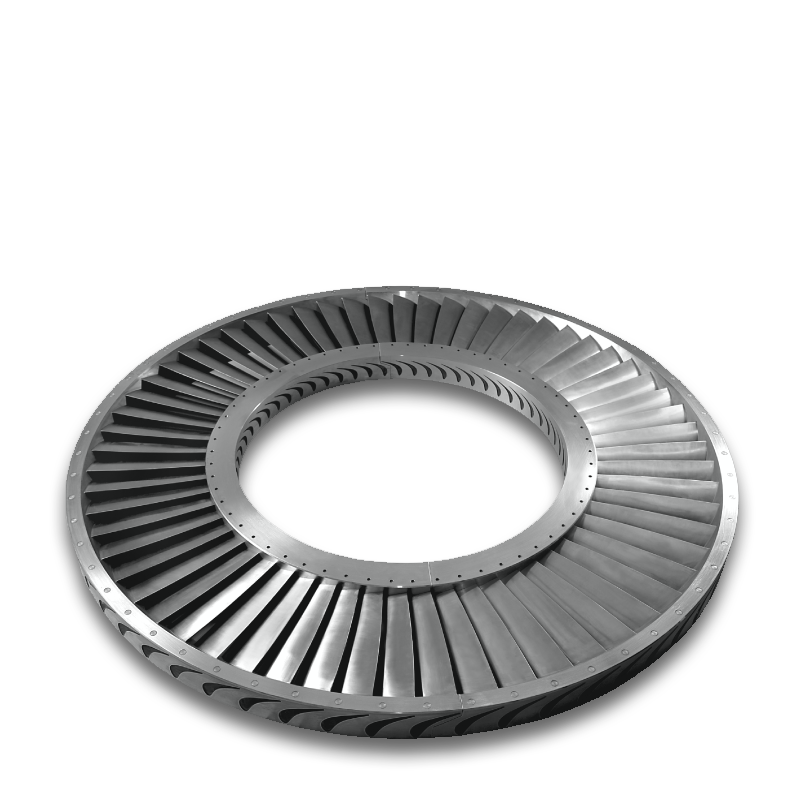
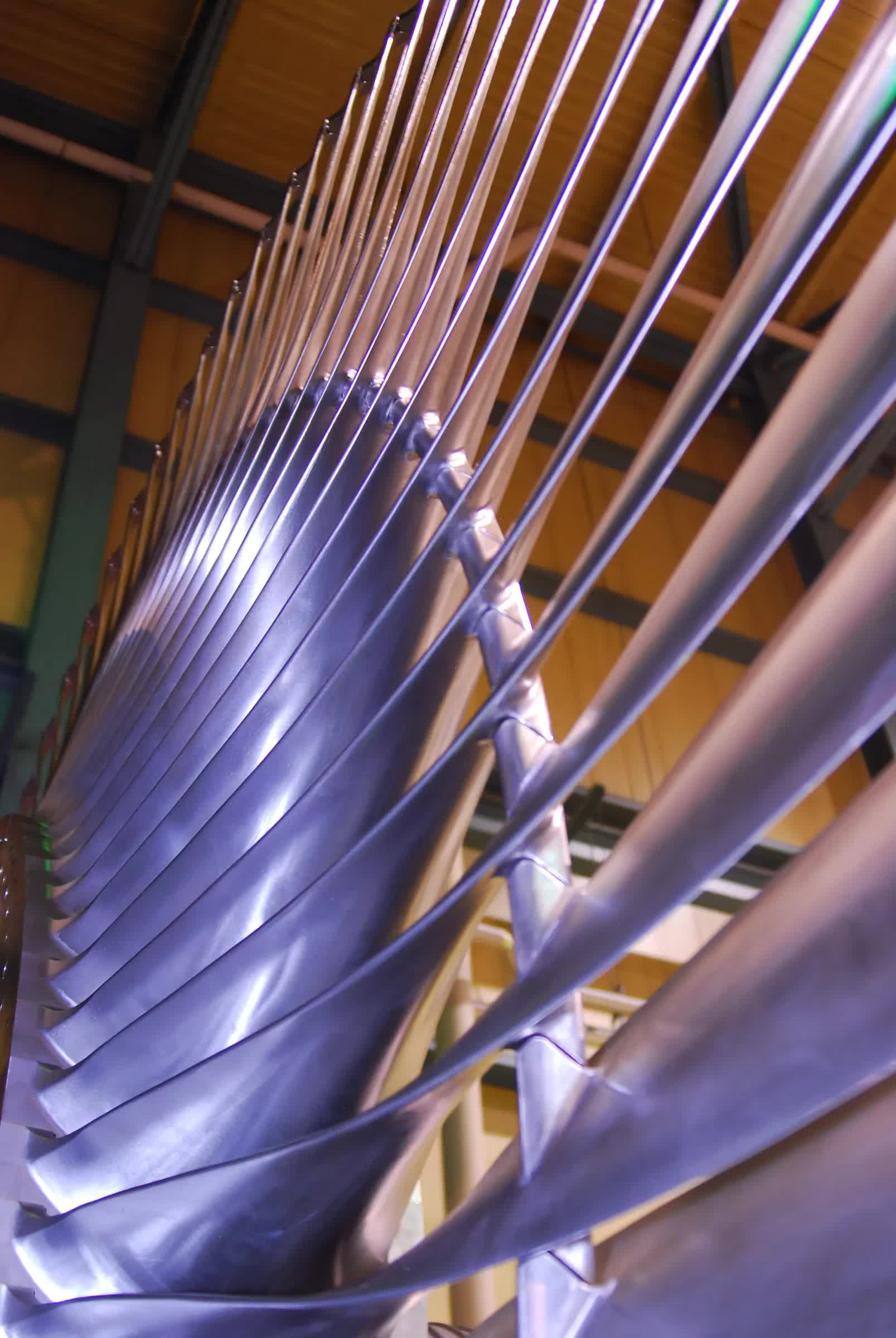
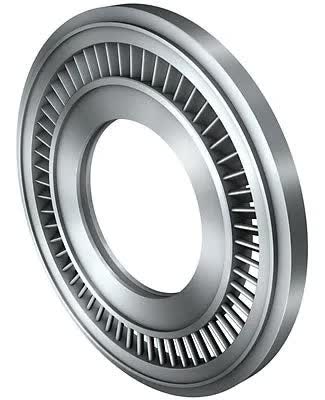
Steam turbine stationary blades, commonly referred to as nozzle blades or fixed blades, are essential flow-directing components within steam turbine systems. Installed within diaphragms or stationary blade carriers, these components convert steam pressure into velocity and guide the steam flow toward the rotating blades at precisely controlled angles.
While rotating blades are responsible for extracting energy from the steam flow, stationary blades play an equally important role in determining turbine efficiency, stage performance, pressure distribution, and overall power output.
At Navi Turbine, we manufacture high-quality precision-forged steam turbine stationary blades for utility power plants, industrial steam turbines, combined heat and power facilities, petrochemical installations, and marine applications. Our engineering team supports both production based on customer drawings and reverse engineering projects for obsolete or difficult-to-source turbine components.
The Function of Stationary Blades in Steam Turbines
Steam turbines operate by converting thermal energy contained in high-pressure steam into mechanical power.
This process occurs through multiple turbine stages consisting of alternating rows of stationary blades and rotating blades.
The stationary blades perform several critical functions:
• Accelerating steam flow
• Converting pressure energy into velocity energy
• Directing steam toward moving blades
• Optimizing flow angles
• Improving stage efficiency
• Controlling pressure drop across turbine stages
As steam passes through the nozzle passages formed by stationary blades, its pressure decreases while velocity increases significantly. The resulting high-velocity steam is then directed onto the rotating blades, where energy extraction occurs.
Without properly designed stationary blades, the turbine would be unable to achieve efficient energy conversion.
Stationary Blades vs. Moving Blades
Although both components feature aerodynamic airfoil profiles, their functions differ considerably.
Stationary blades:
• Remain fixed during operation
• Direct and accelerate steam
• Create pressure drops
• Form nozzle passages
• Influence steam flow characteristics
Moving blades:
• Rotate with the rotor
• Extract energy from steam
• Produce shaft power
• Drive generators or mechanical equipment
Because stationary blades establish the flow conditions entering each rotor stage, their geometry has a direct impact on turbine performance.
Types of Steam Turbine Stationary BladesDifferent turbine designs utilize various stationary blade configurations.
Nozzle Blades
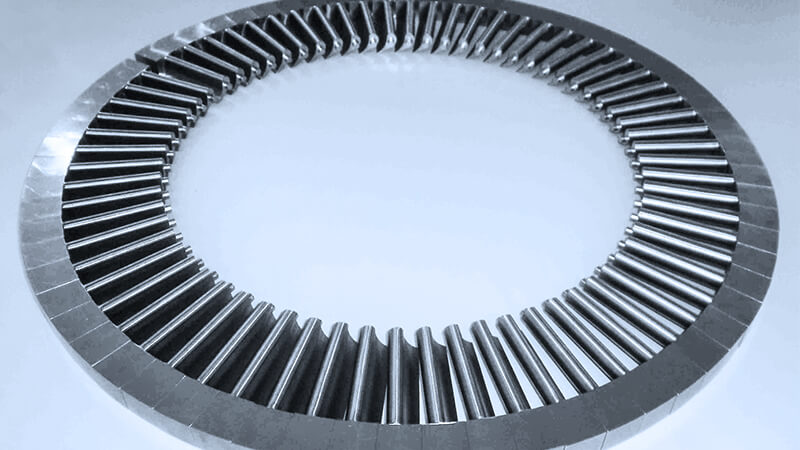
Nozzle blades are designed to maximize steam acceleration and direct steam toward the following rotating stage.
These components are particularly critical in high-pressure turbine sections where large pressure drops occur.
Diaphragm Blades
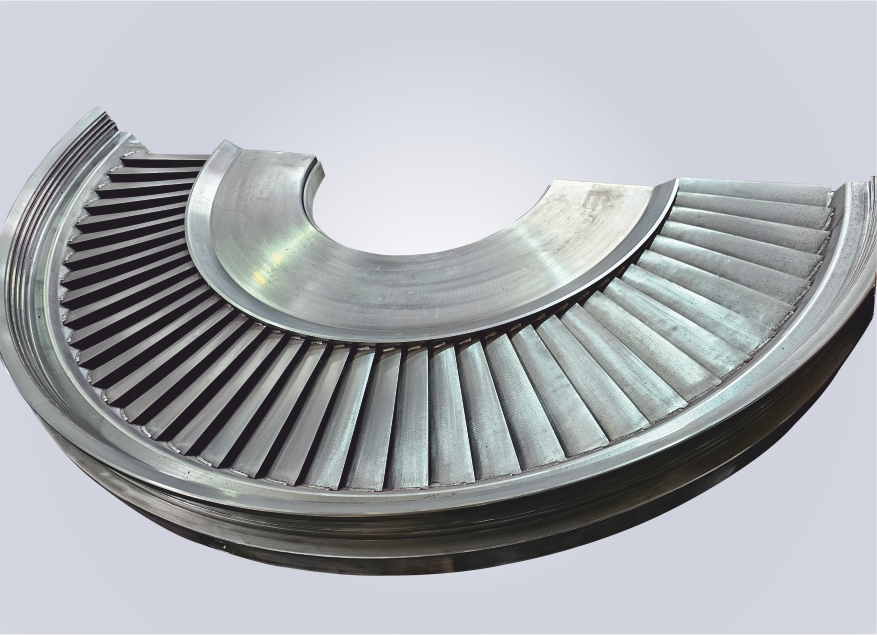
Many steam turbines mount stationary blades within diaphragm assemblies.
The diaphragm separates adjacent turbine stages and houses the nozzle passages through which steam flows.
Diaphragm blade accuracy is essential for maintaining stage efficiency and minimizing leakage losses.
Reaction Turbine Stationary Blades
In reaction turbines, stationary blades work together with moving blades to create continuous pressure drops across both rows.
Their aerodynamic characteristics strongly influence turbine efficiency and operating stability.
Operating Challenges
Steam turbine stationary blades operate under demanding conditions that can gradually affect performance and service life.
Steam Erosion
High-velocity steam can cause progressive erosion of blade surfaces.
This issue becomes particularly severe when steam contains water droplets or solid contaminants.
Over time, erosion alters blade geometry and reduces aerodynamic efficiency.
Moisture Damage
In low-pressure turbine sections, moisture content increases as steam expands.
Water droplet impingement can cause surface degradation, particularly near trailing edges and steam exit regions.
Corrosion
Certain operating environments expose stationary blades to corrosive compounds that may accelerate material degradation.
Corrosion can reduce component life and contribute to fatigue-related failures.
Thermal Cycling
Repeated startup and shutdown cycles subject turbine components to thermal expansion and contraction.
Over many years of operation, thermal fatigue can influence dimensional stability and structural integrity.
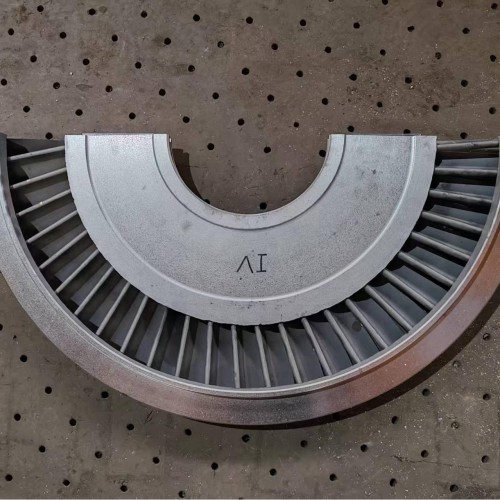
Advantages of Precision ForgingThe reliability of a stationary blade begins with the manufacturing process.
Forged blades offer several advantages compared with conventional fabrication methods.
The forging process produces:
• Improved grain flow
• Enhanced mechanical properties
• Better fatigue resistance
• Increased structural integrity
• Greater dimensional consistency
These characteristics are especially valuable in high-pressure steam turbine environments where long-term reliability is critical.
Navi Turbine’s patented precision forging technology further improves manufacturing efficiency by producing near-net-shape components that require minimal machining.
The result is reduced material waste, shorter production cycles, and highly consistent product quality.
Materials for Steam Turbine Stationary Blades
Material selection depends on operating temperature, steam conditions, pressure levels, and turbine design.
Common materials include:
Stainless Steel Alloys
Widely used for corrosion resistance and mechanical strength.
Martensitic Steels
Frequently selected for high-strength applications within steam turbine stages.
Heat-Resistant Alloys
Used in high-temperature sections requiring excellent thermal stability.
Specialty Turbine Materials
Customized alloys may be specified depending on turbine manufacturer requirements and operating environments.
Navi Turbine manufactures components according to customer material specifications and applicable industry standards.
Reverse Engineering for Legacy Steam TurbinesMany power plants continue operating steam turbines that have been in service for decades.
Replacement stationary blades can become difficult to obtain due to:
• OEM discontinuation
• Long procurement lead times
• High replacement costs
• Limited spare parts availability
To address these challenges, Navi Turbine provides comprehensive reverse engineering services.
Customers can provide:
• Technical drawings
• Existing diaphragm assemblies
• Used stationary blades
• Damaged or worn components
Using advanced inspection and measurement techniques, our engineering team can reproduce critical geometries and manufacturing data required for replacement production.
This capability helps operators extend turbine service life while reducing maintenance costs and outage durations.
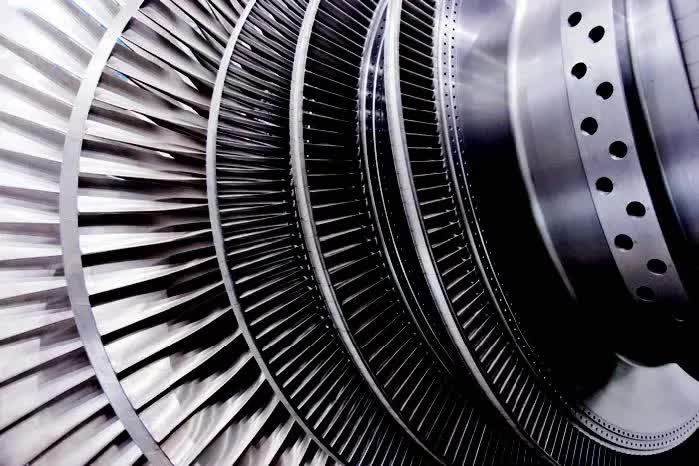
ApplicationsOur steam turbine stationary blades are widely used in:
• Thermal power plants
• Combined-cycle power stations
• Industrial cogeneration systems
• Petrochemical facilities
• Refinery steam turbines
• Marine propulsion turbines
• Process industry steam turbines
• Legacy turbine modernization projects
Quality Assurance
Every stationary blade is manufactured under strict quality control procedures.
Inspection processes may include:
• Dimensional verification
• Material certification
• Non-destructive testing
• Surface quality evaluation
• Mechanical property testing
• Final assembly inspection
These procedures help ensure reliable operation under demanding turbine service conditions.
Why Choose Navi TurbineWith more than 20 years of turbomachinery manufacturing experience, Navi Turbine provides dependable solutions for steam turbine stationary blade replacement and reverse engineering projects.
Our advanced precision forging technology, engineering expertise, and rapid production capabilities allow us to support both planned maintenance programs and urgent outage requirements.
Whether customers require nozzle blades, diaphragm blades, or complete stationary blade assemblies, Navi Turbine delivers cost-effective, high-quality solutions designed to maximize steam turbine reliability, efficiency, and operational performance.
 EN
EN