Meta Title
Traction Motor Cooling Fan Blades Manufacturer | Railway Motor Cooling Fan Solutions
Meta Description
Navi Turbine manufactures precision-forged traction motor cooling fan blades for locomotives, metro systems, high-speed trains, and railway propulsion systems. Reverse engineering and OEM replacement solutions available.
URL
/traction-motor-cooling-fan-blades
H1
Traction Motor Cooling Fan Blades
Traction motor cooling fan blades are critical components within railway propulsion systems, providing the airflow necessary to maintain safe operating temperatures inside traction motors. These fan blades play a vital role in protecting electric motors from overheating, preserving insulation systems, improving operational efficiency, and extending equipment service life.
Unlike passenger HVAC systems, traction motor cooling systems directly support the train’s propulsion equipment. Failure of a cooling fan can result in elevated motor temperatures, reduced performance, accelerated component degradation, and costly service interruptions. As rail operators continue to increase power density, efficiency, and operational reliability, the importance of effective traction motor cooling has become greater than ever.
Navi Turbine manufactures high-performance precision-forged traction motor cooling fan blades for locomotives, metro vehicles, electric multiple units (EMU), high-speed trains, and industrial railway systems. Our products are engineered to provide reliable airflow performance, excellent mechanical strength, and long-term durability in demanding transportation environments.
The Importance of Traction Motor Cooling
The traction motor is the heart of an electric railway propulsion system.
It converts electrical energy into mechanical power that drives the wheels and moves the train.
During operation, traction motors generate substantial heat from:
• Electrical losses
• Magnetic losses
• Rotor heating
• Stator heating
• Bearing friction
• High-current operation
Without adequate cooling, excessive temperatures can lead to:
• Reduced motor efficiency
• Insulation deterioration
• Premature bearing failure
• Reduced equipment lifespan
• Unexpected shutdowns
Effective cooling is therefore essential for maintaining reliable train operation.
How Traction Motor Cooling Fans Work
Most railway traction motors utilize forced-air cooling systems.
Cooling fan blades generate airflow that passes through:
• Motor housings
• Ventilation ducts
• Rotor passages
• Stator cooling channels
The moving air removes heat from critical motor components and transfers it to the surrounding environment.
The cooling system must maintain sufficient airflow across a wide range of operating conditions, including:
• High-speed operation
• Heavy acceleration
• Continuous climbing grades
• High ambient temperatures
• Urban stop-and-go service
Because motor performance depends heavily on temperature control, fan blade efficiency directly affects overall propulsion reliability.
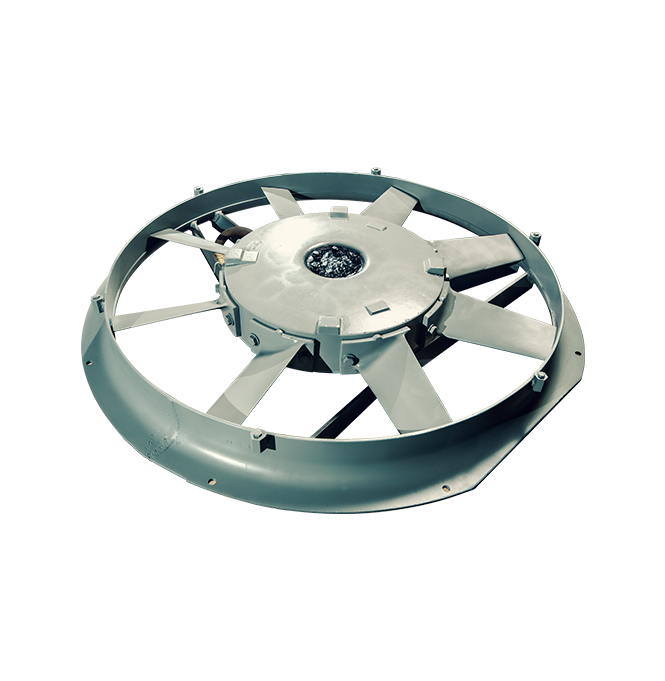
Applications in Railway SystemsTraction motor cooling fan blades are widely used across modern rail transportation systems.
Electric Locomotives
Heavy-haul and passenger locomotives require powerful traction motors capable of delivering continuous high output.
Cooling fans help maintain stable temperatures during demanding operating cycles.
Metro and Subway Vehicles
Urban rail systems experience frequent acceleration and braking cycles.
Reliable cooling is necessary to manage thermal loading and ensure consistent motor performance.
High-Speed Trains
High-speed rail applications require highly efficient cooling systems capable of operating under elevated power demands.
Fan blade balance and durability become especially important at higher rotational speeds.
Electric Multiple Units (EMU)
EMU systems depend on compact, high-performance traction motors where effective cooling is critical for maximizing efficiency and reliability.
Engineering Challenges
Traction motor cooling fan blades face a combination of aerodynamic and mechanical challenges.
High Rotational Speeds
Fan blades often operate at substantial rotational speeds, generating significant centrifugal forces.
The blade structure must maintain dimensional stability throughout long operating cycles.
Continuous Vibration
Railway environments expose rotating equipment to constant vibration and mechanical shock.
Fan blades must resist fatigue damage while maintaining balance and airflow performance.
Restricted Installation Space
Many traction motor cooling systems operate within limited available space.
Fan blades must maximize airflow efficiency while fitting within compact housing designs.
Reliability Requirements
Railway operators prioritize equipment reliability because unscheduled maintenance can result in costly service disruptions.
Cooling fan components must therefore provide dependable long-term performance.
Common Failure Modes
Traction motor cooling fan blades may experience various forms of wear during service.
Fatigue Cracks
Repeated rotational loading and vibration can initiate fatigue cracks near blade roots and stress concentration areas.
Dynamic Imbalance
Wear, deformation, or damage can alter fan balance, increasing vibration levels and accelerating bearing wear.
Corrosion
Moisture, dust, road contaminants, and environmental exposure may contribute to corrosion-related degradation.
Foreign Object Damage
Airborne debris or maintenance-related incidents can damage fan blades and reduce cooling effectiveness.
Early detection and replacement of damaged components are essential for maintaining system reliability.
Advantages of Precision Forged Fan Blades
Manufacturing quality directly affects fan blade durability and performance.
Precision forging offers important advantages compared with alternative production methods.
Forged fan blades provide:
• Superior mechanical strength
• Enhanced fatigue resistance
• Improved grain structure
• Greater dimensional consistency
• Long-term structural reliability
These characteristics are particularly valuable for rotating railway equipment operating under continuous loading conditions.
At Navi Turbine, our patented precision forging technology enables near-net-shape production with minimal machining requirements, helping ensure consistent quality while improving manufacturing efficiency.
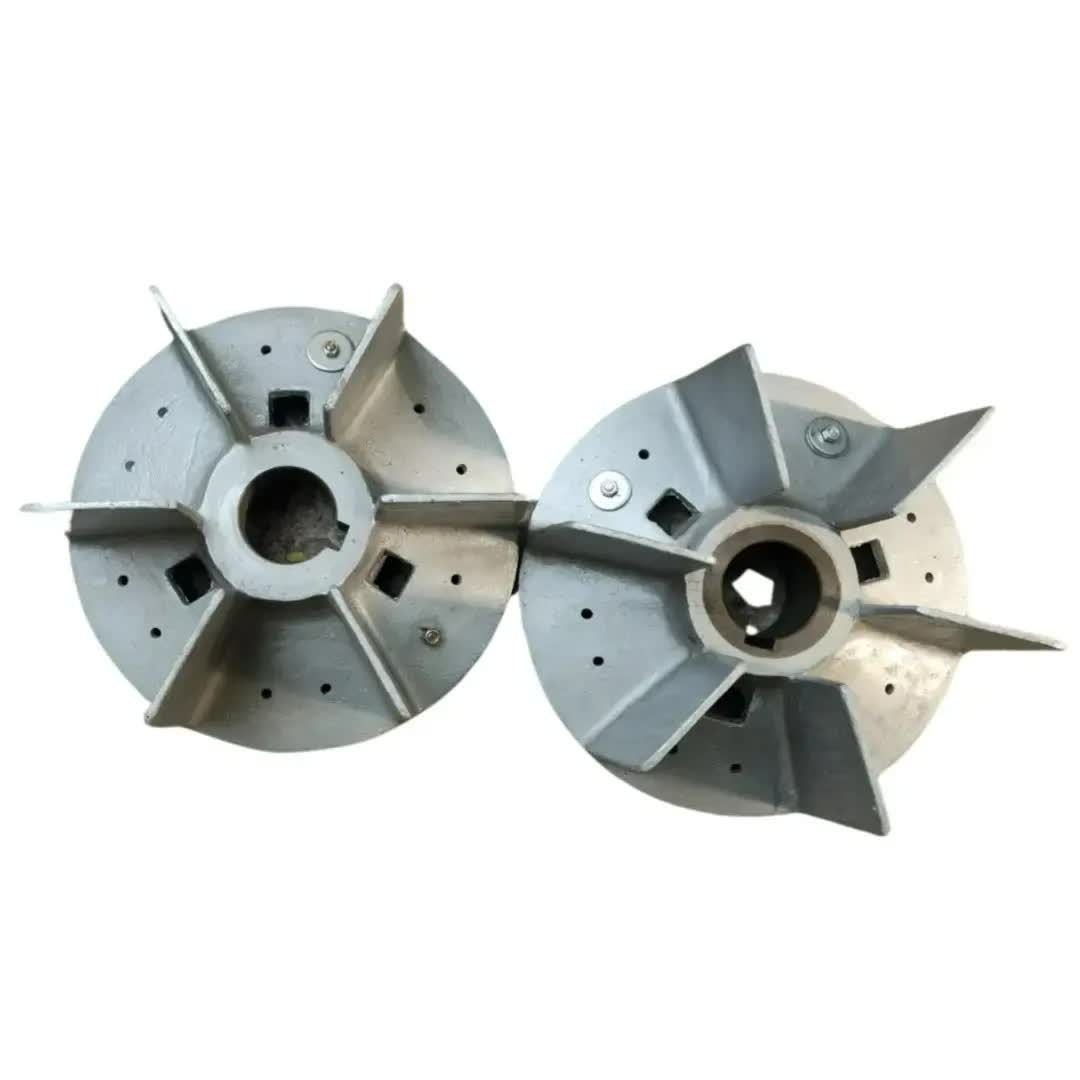
Reverse Engineering for Obsolete ComponentsMany railway fleets remain in operation for decades.
As equipment ages, sourcing replacement cooling fan blades can become increasingly difficult.
OEM suppliers may discontinue support for older platforms, creating significant procurement challenges.
Navi Turbine offers reverse engineering services for traction motor cooling fan blades based on:
• Original engineering drawings
• Existing components
• Used service parts
• Damaged samples
Our engineering team can reconstruct critical dimensions, aerodynamic profiles, mounting interfaces, and structural features to enable reliable replacement production.
This capability is particularly valuable for fleet operators seeking to extend equipment life while controlling maintenance costs.
Materials
Material selection is determined according to operating conditions and customer requirements.
Common options include:
• Stainless steel alloys
• High-strength alloy steels
• Corrosion-resistant materials
• Railway-grade specialty alloys
Materials are selected to achieve the appropriate balance of strength, durability, fatigue resistance, and environmental performance.
Applications
Our traction motor cooling fan blades are used in:
• Electric locomotives
• Diesel-electric locomotives
• High-speed trains
• Metro systems
• Light rail vehicles
• Electric multiple units
• Industrial rail transportation systems
• Railway maintenance and overhaul programs
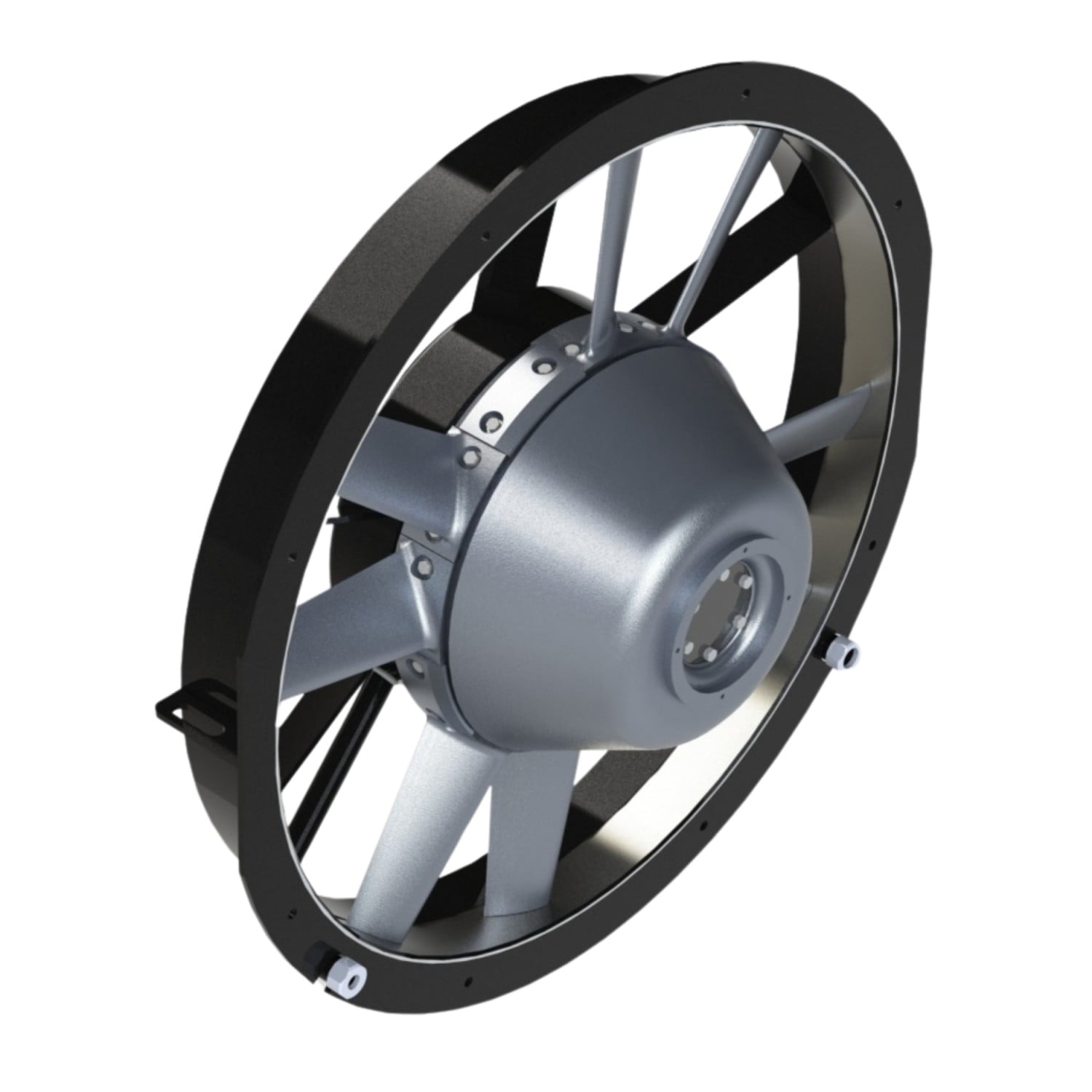
Quality AssuranceEvery fan blade is subjected to rigorous quality control procedures throughout the manufacturing process.
Inspection activities may include:
• Dimensional verification
• Material certification
• Dynamic balance testing
• Non-destructive examination
• Mechanical property testing
• Final inspection and validation
These procedures help ensure dependable field performance and long service life.
Why Choose Navi Turbine
With more than 20 years of experience manufacturing turbomachinery and rotating equipment components, Navi Turbine provides reliable traction motor cooling fan blade solutions for modern and legacy railway systems.
Our engineering expertise, precision forging technology, and reverse engineering capabilities allow us to support both OEM-equivalent production and difficult-to-source replacement projects.
Whether manufacturing from customer drawings or reproducing components from existing samples, Navi Turbine delivers durable, high-quality cooling fan blades that help railway operators maintain efficient, reliable propulsion system performance.
 EN
EN
