 EN
EN

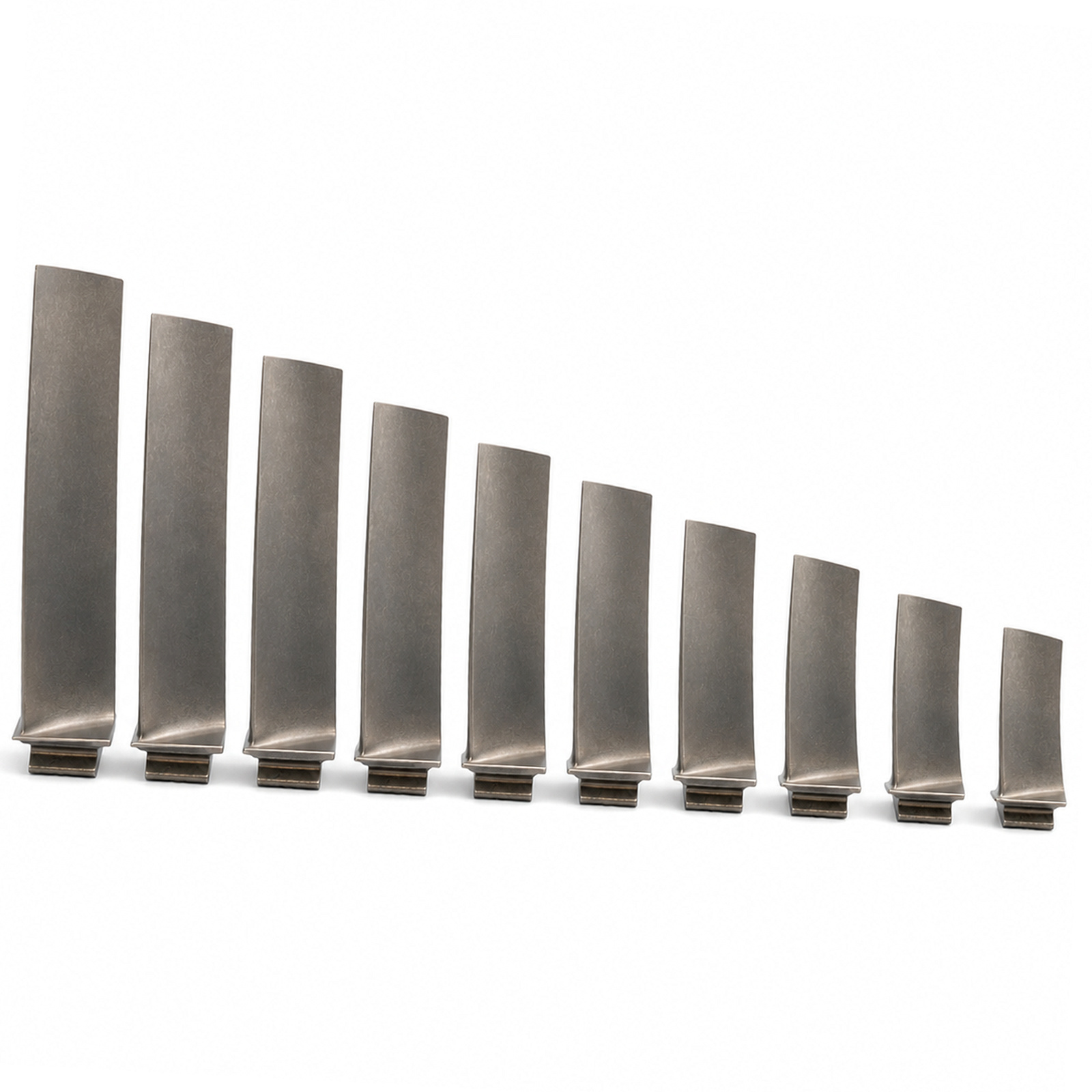
Where To Find Factory With Mature Inconel Forging Technology In China?
If you have spent time sourcing inconel forging parts for gas turbines, aerospace components, or high-temperature industrial applications, you already know that not every factory claiming superalloy capability delivers consistent results. The question of where to find a China-based factory with genuinely mature Inconel forging technology comes down to more than a supplier directory search ; it requires understanding what "mature" actually means in this context.
So, practically speaking, what does mature Inconel forging capability look like? It means the factory has moved beyond basic open-die work with standard carbon steels and has built sustained experience with the metallurgical demands specific to nickel-chromium superalloys like IN718 and IN625.
What Makes an Inconel Forging Process "Mature"?
Inconel alloys impose constraints that standard forging operations are not designed to handle. Controlled billet heating to forging temperatures around 1,150°C, narrow deformation windows, and the risk of strain-age cracking if parameters drift — these are not problems you want a factory to be learning on your production order.
A China-based factory with mature inconel forging capability will typically have:
- Temperature-controlled induction or furnace heating with documented parameters, not simply "hot enough to forge"
- Die design and tooling experience specific to nickel alloy deformation behavior, including appropriate die preheat protocols
- Heat treatment capability — solution annealing and aging cycles for IN718 — to achieve specified mechanical properties
- Material certification documentation as standard delivery practice: mill certificate, alloy composition, and mechanical test data per batch
- Dimensional inspection capability including CMM or 3D scanning for precision airfoil profiles, discs, or complex forging geometries
The real differentiator for inconel forging quality is often the process control documentation, not the grade printed on the material certificate. When evaluating a china forging factory, the dimensional tolerance and traceability data tell a more reliable story than marketing claims alone.
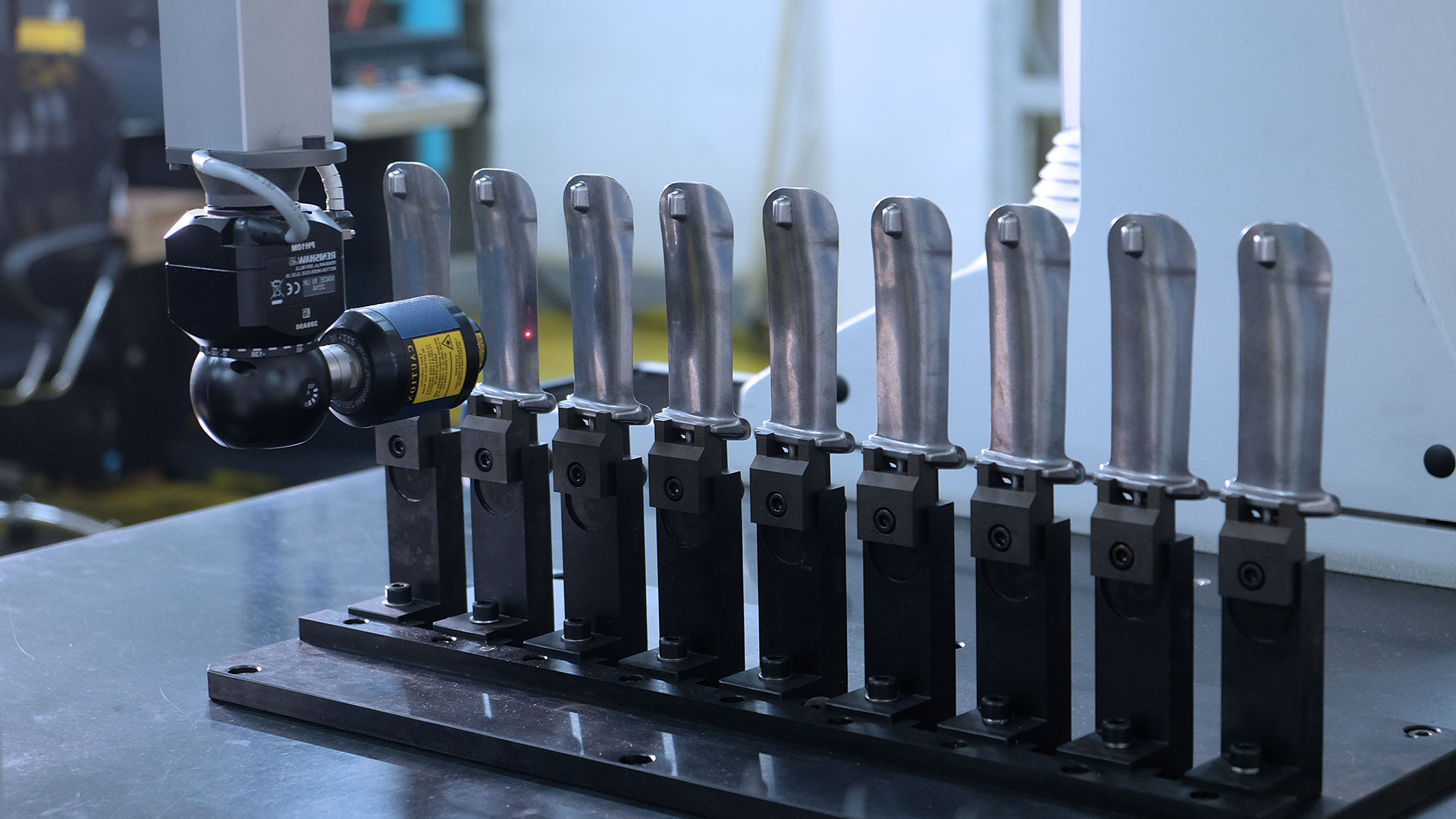 Precision inconel forging requires controlled temperature parameters and nickel-alloy-specific die design.
Key Criteria for Evaluating a China Forging Factory
Before deciding where to source, it is worth asking yourself: have you actually reviewed what process documentation the factory provides as standard practice — or are you making a selection decision based on website photographs and quoted unit prices?
When assessing a china forging factory for Inconel work, the following evaluation points tend to separate capable operations from those still developing their superalloy processing experience:
1. Grade and Specification Alignment
Check whether the factory can show verifiable experience with the specific Inconel grade your application requires. IN718 (AMS 5663 for forgings, UNS N07718) and IN625 (AMS 5666) behave differently under forging conditions — a factory whose primary experience is in one grade may not have optimized tooling or process parameters for the other. Ask for evidence of prior production in your target grade rather than accepting a general capability statement.
2. Traceability and Documentation Standards
Heat-batch traceability linking each forging to its specific production run is a baseline requirement for regulated applications. A factory that cannot provide batch-level material certification and dimensional inspection records per delivery represents a documentation gap that creates problems downstream — in final assembly, in root cause investigation, and in regulatory compliance. This practice distinction separates mature from developing superalloy processing operations in China.
3. NDT and Inspection Capability
For applications where subsurface defects carry operational consequence — aerospace rotating components, gas turbine hot-section hardware, pressure-bearing equipment — confirm whether the factory has in-house ultrasonic testing (UT) or fluorescent penetrant inspection (FPI) capability, or whether it coordinates qualified third-party NDT. Standard visual and dimensional inspection will not reliably detect subsurface forging laps or porosity that drive later fatigue failure.
4. Alloy Equivalence Documentation
If your specification references Western alloy designations, a mature China inconel forging supplier should be able to provide documentation aligning Chinese domestic alloy designations — GH4169 for IN718, for example — with the specified Western grade. Factories that cannot address this alignment question create compliance risk in procurement for regulated operators or OEM supply chains.
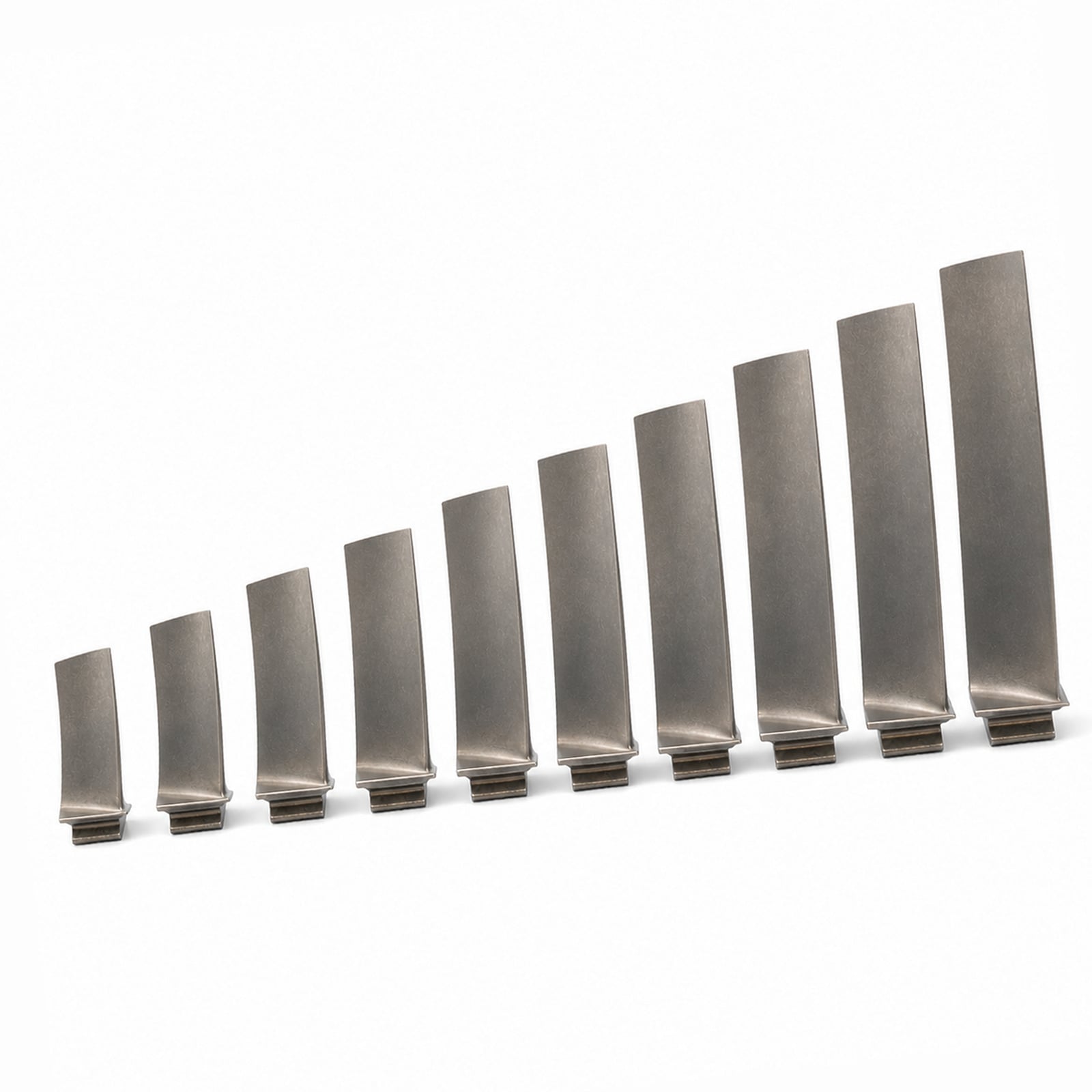 Material certification and CMM inspection documentation are standard practice indicators of a mature superalloy forging supplier.
Where to Find These Factories in China
China's superalloy processing and precision forging capability is concentrated in specific industrial regions. Established precision forging operations for aerospace and energy applications are found in Shandong Province, Guangdong Province, Jiangsu, and Shaanxi — regions with longer industrial histories in aerospace component and energy equipment manufacturing.
B2B sourcing platforms list hundreds of Chinese factories claiming superalloy capability, but listing quality varies widely. The most reliable verification path combines three steps:
- Direct factory audit — or coordinated third-party audit — focused on process documentation quality, equipment condition, and QC record availability
- Sample qualification order with full dimensional and material certification review before committing to a production run
- Export documentation history check — factories with sustained supply to regulated markets in Asia, North America, or Europe have demonstrated compliance with international documentation requirements, which is an indirect signal of process maturity
We used to prioritize the lowest unit price when qualifying suppliers for superalloy components. After experiencing a supply disruption during a scheduled overhaul — traced to a china forging factory that had overstated its Inconel process maturity — the evaluation calculus shifted toward process documentation depth and verifiable production history over quoted price.
Red Flags in Factory Self-Reporting
Watch for these patterns when a Chinese factory markets its inconel forging capability:
- Claims of "all grades available" without grade-specific process documentation or equipment evidence
- No in-house heat treatment capability, or heat treatment outsourced to an unidentified third party
- Material certificates showing composition but lacking mechanical property test results per batch
- Inability to provide first-article inspection reports (FAIR) for custom geometry orders
- Pricing significantly below the directional market range for IN718 forgings without a clear explanation of scope differences
Aligning Factory Capability to Your Application Requirements
Looking back, the time spent on full dimensional and material certification review before approving a new inconel forging supplier felt like a procurement delay at the time. In retrospect, it was exactly what prevented compatibility issues from becoming a turbine downtime incident. Whether the application is gas turbine compressor blades, aerospace structural forgings, or chemical process equipment, thorough supplier qualification shifts risk identification to the front of the procurement cycle rather than discovering problems at assembly or in the field.
If your priority is sourcing precision inconel forging with controlled dimensional tolerances, batch-level material traceability, and international export documentation capability from a China-based factory, focus your evaluation on the documentation package first and the unit price second. The factories that provide process documentation as standard practice — not as a special request in response to a customer audit — are the operations most likely to deliver consistent quality across repeat orders.
Navi Power Technology, based in Qingdao, Shandong Province, is a precision forging specialist for nickel superalloy compressor blades used in gas turbines and aero engines. Our low-allowance forging process achieves airfoil dimensional tolerances of 0.1–1 mm, with material certification per batch, heat-batch traceability, and dimensional inspection reports provided as standard with each delivery. We supply international buyers across Asian, North American, and South American markets. To discuss inconel forging specification alignment, qualification samples, or superalloy processing capability for your application, contact our engineering team at compressorblade.com.