 EN
EN

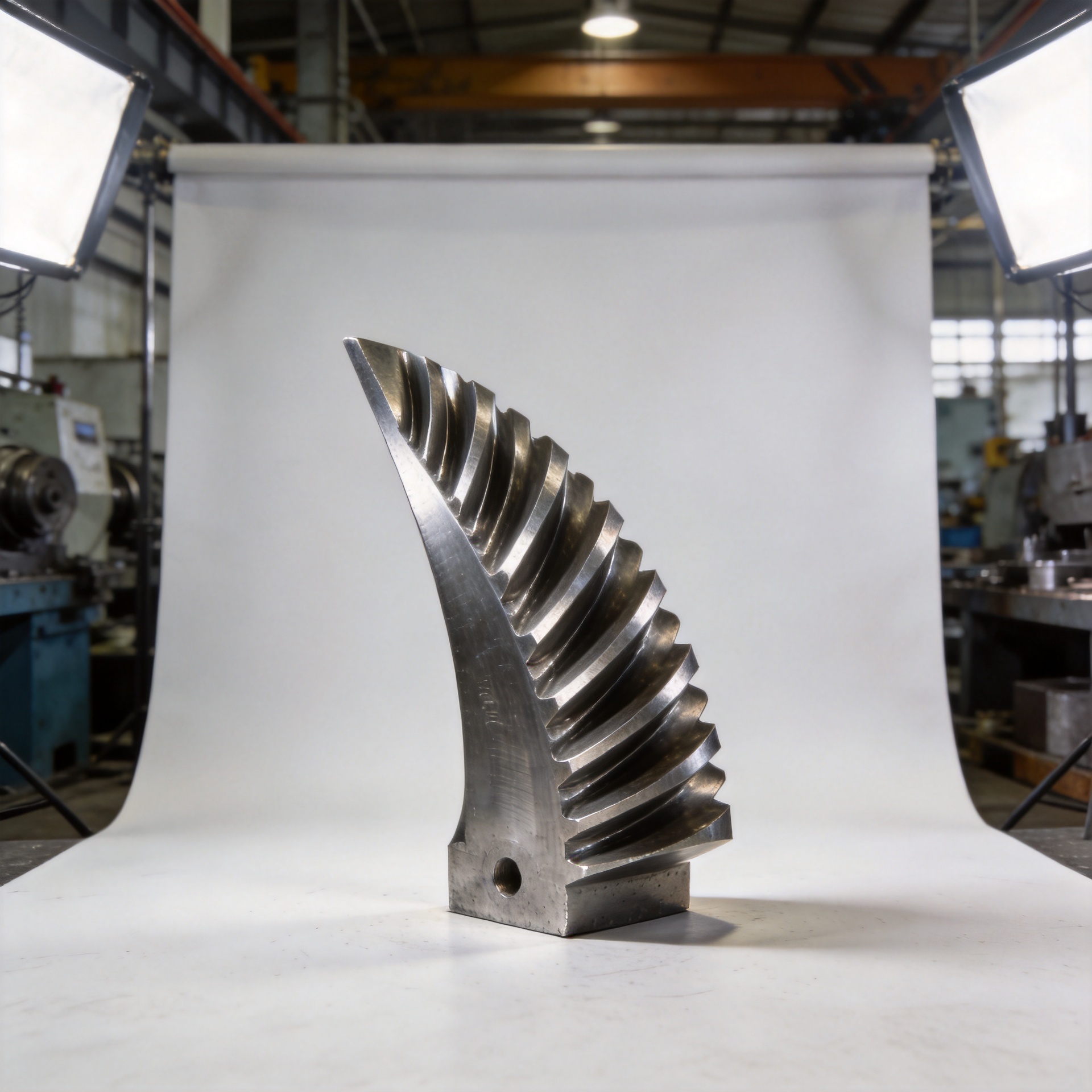
Where To Source High Precision Custom Turbine Airfoil From China?
When preparing to source precision turbine airfoil components, the evaluation process rarely starts with a supplier list. In my experience working with procurement and MRO teams, the real question is: what specifications do we need, and what can go wrong if we get these parts from the wrong source? This guide walks through the key decision points for buyers looking to source high-precision custom blades from a china supplier.
Step 1: Confirm Your Technical Specification Before Searching
Precision is not a marketing term in turbine airfoil procurement. The specification covers profile geometry, root attachment dimensions, platform features, material grade, and surface treatment requirements. Each of these parameters must be locked before meaningful supplier comparison begins.
If your operating environment involves standard OEM-specification profiles, the qualification process is more straightforward. In legacy or retrofit applications — where documentation is incomplete or the blade design is non-standard — a supplier's ability to produce from customer engineering drawings becomes the most critical selection criterion.
So, practically speaking, what does this mean for a procurement engineer building an RFQ? It means the specification review conversation has to happen before supplier outreach, not during it.
Step 2: Understand the Manufacturing Process Options in China
China's industrial manufacturing sector includes suppliers at a wide range of capability levels for precision blade components. The relevant manufacturing process for turbine airfoil production is precision forging, though not all forging operations deliver the same output quality.
Conventional forging typically leaves a material allowance of 6–10 mm on blade surfaces, which requires significant downstream machining to reach final profile dimensions. More advanced low-allowance forging processes can reduce this allowance to 0.1–1 mm, meaning less material removal, tighter dimensional consistency, and lower total cost per part.
When evaluating a china supplier, asking about the forging process and the resulting dimensional allowance is a practical first step. A manufacturer who can demonstrate controlled process capability — and provide dimensional inspection data to support it — is operating at a meaningfully different level than one who cannot.
Some China-based manufacturers also operate 1-to-3 mold forging processes, where a single die set produces multiple blades per cycle. This arrangement reduces tooling cost per unit and improves cost competitiveness for volume orders without compromising dimensional control.
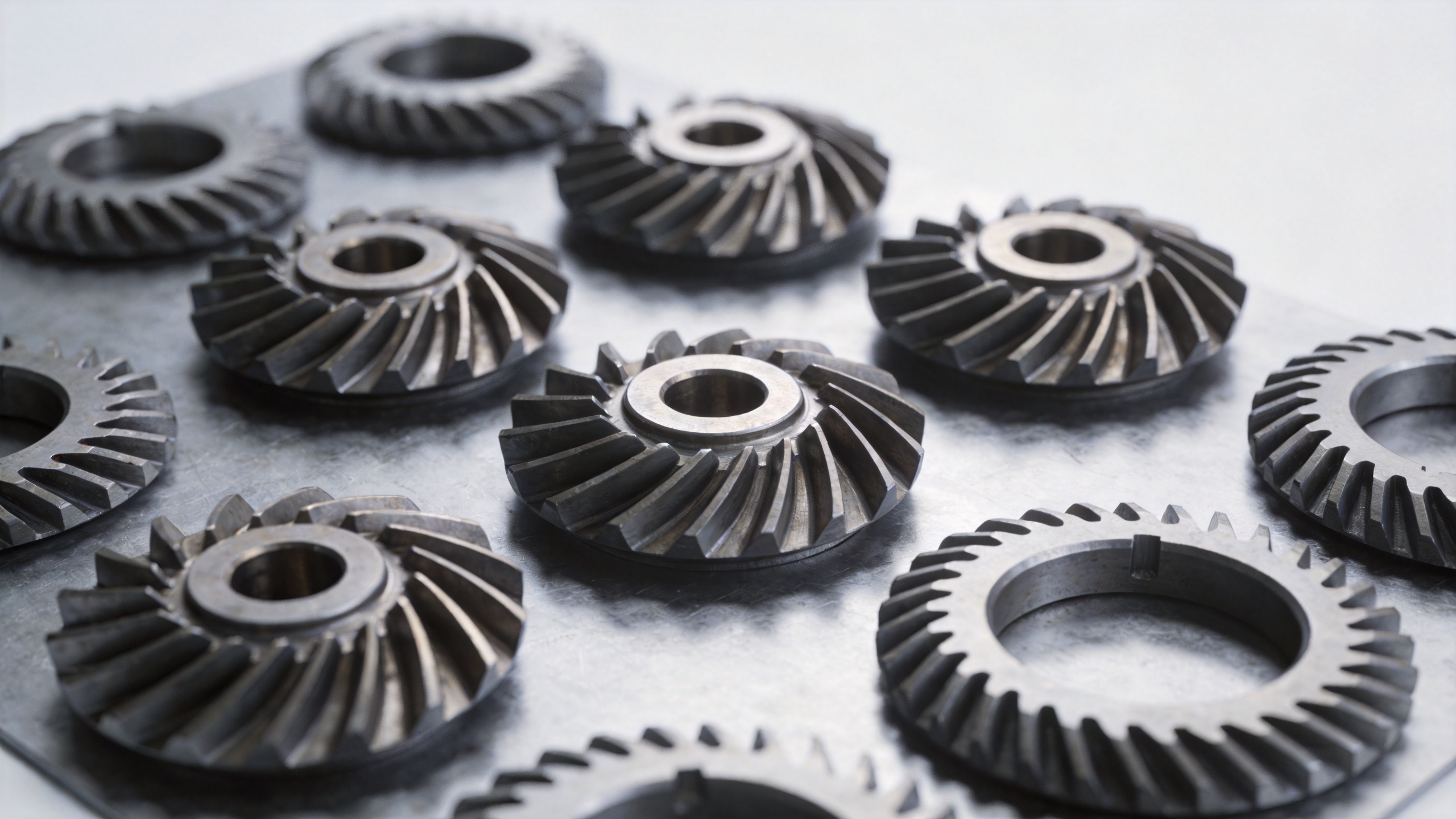
Step 3: Define the Quality Documentation You Will Require
In my experience working with MRO teams, the most common point of friction in blade procurement is not part availability but documentation turnaround. This friction point is rarely visible in a standard supplier RFQ.
For turbine airfoil component procurement from any market, including China, the documentation package should include:
- Material certification (mill certificate): Confirming alloy composition and mechanical property test results for the specific heat batch used in your order.
- Dimensional inspection report: CMM or 3D scanning results for key blade cross-sections, confirming that delivered parts meet profile tolerance requirements.
- Heat batch traceability: Linking each delivered blade to its specific forging production run, supporting quality investigation and maintenance record requirements.
A china supplier who provides these documents as standard practice rather than as a special request signals a quality process that matches the requirements of industrial turbine operation. For regulated applications or asset-intensive operations, this documentation baseline is non-negotiable.
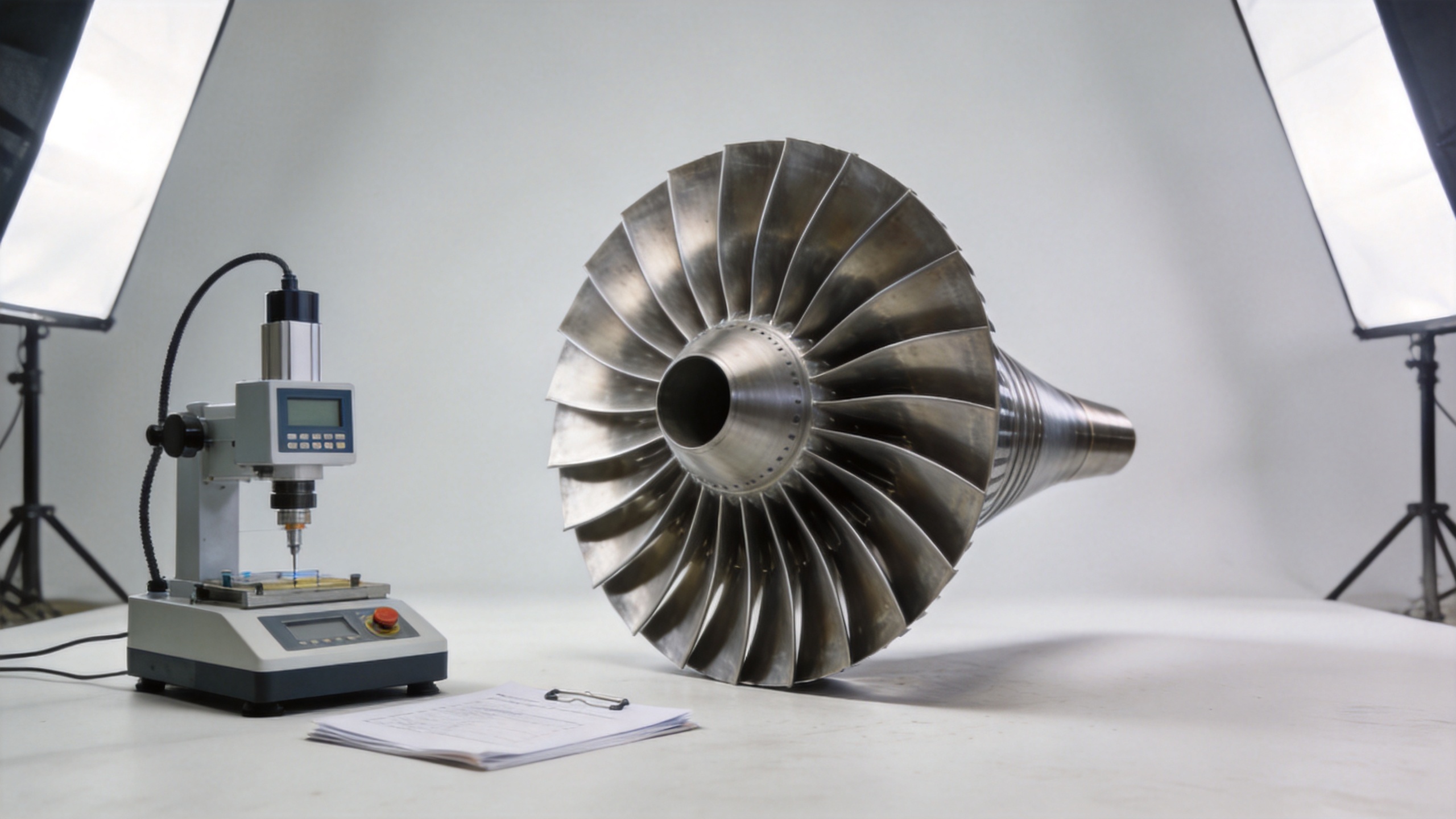
Step 4: Evaluate Supply Chain Stability, Not Just Unit Price
We used to prioritize price as the primary driver in blade supplier selection. After experiencing a supply disruption during a scheduled overhaul — where a single-source manufacturer couldn't deliver on the planned timeline — the focus shifted toward lead time reliability and production scheduling alignment.
For turbine airfoil components, single-source risk and lead time variability deserve the same evaluation weight as unit price. A supplier that can align production scheduling with your planned overhaul windows reduces the operational risk that comes from unplanned downtime extensions.
Switching to a lower-cost blade supplier looked like a win at first. The real problem only became clear when accelerated wear showed up within the operating cycle. Unit price comparisons that don't account for part service life and replacement frequency routinely underestimate total procurement cost.
When evaluating China suppliers for long-term blade supply programs, ask about minimum order quantities, trial order options, and advance order programs. A manufacturer who can accommodate qualification-stage volumes is better positioned to support a controlled supplier development process.
Step 5: Verify Export Readiness and Documentation Capability
Cross-border procurement of precision blade components adds documentation requirements that can affect delivery reliability. Confirm that your china supplier has experience managing export documentation, international shipping logistics, and any required trade compliance procedures.
Suppliers with established international supply experience can provide documentation in formats compatible with common import requirements and can coordinate third-party inspection at the manufacturing facility if your procurement process requires independent verification before shipment.
What to Include in an Initial Supplier Inquiry
When initiating contact with a China-based precision blade manufacturer, a focused inquiry produces more useful responses than a generic RFQ. Structure your outreach to include:
- Your turbine model or blade drawing reference (if available)
- Material grade or alloy specification requirements for the turbine airfoil component
- Dimensional tolerance requirements for the blade profile
- Required documentation (material certs, dimensional inspection reports, traceability)
- Target delivery timeline and order quantity range
A china supplier with genuine engineering pre-sales capability will review your drawing or specification and provide a compatibility assessment before requesting a purchase order. That review process, including the turnaround time it takes, is itself a useful signal about how the supplier will operate once you are an active customer.
Summary: Key Criteria for Sourcing Turbine Airfoil From China
Sourcing high-precision custom turbine airfoil components from China is a viable procurement path when the evaluation follows the right criteria. Confirm the technical specification first. Assess manufacturing process capability, with particular focus on forging allowance and dimensional control. Require a complete quality documentation package. And evaluate supply chain stability indicators before committing to a long-term sourcing relationship.
For custom drawing-based inquiries or to discuss your specific blade requirements, contact [email protected].