 EN
EN

why-do-power-plants-replace-old-compressor-blade-with-forged-parts, why-do-power-plants-replace-old-compressor-blade-with-forged-parts, /news
EN
2026/10/10
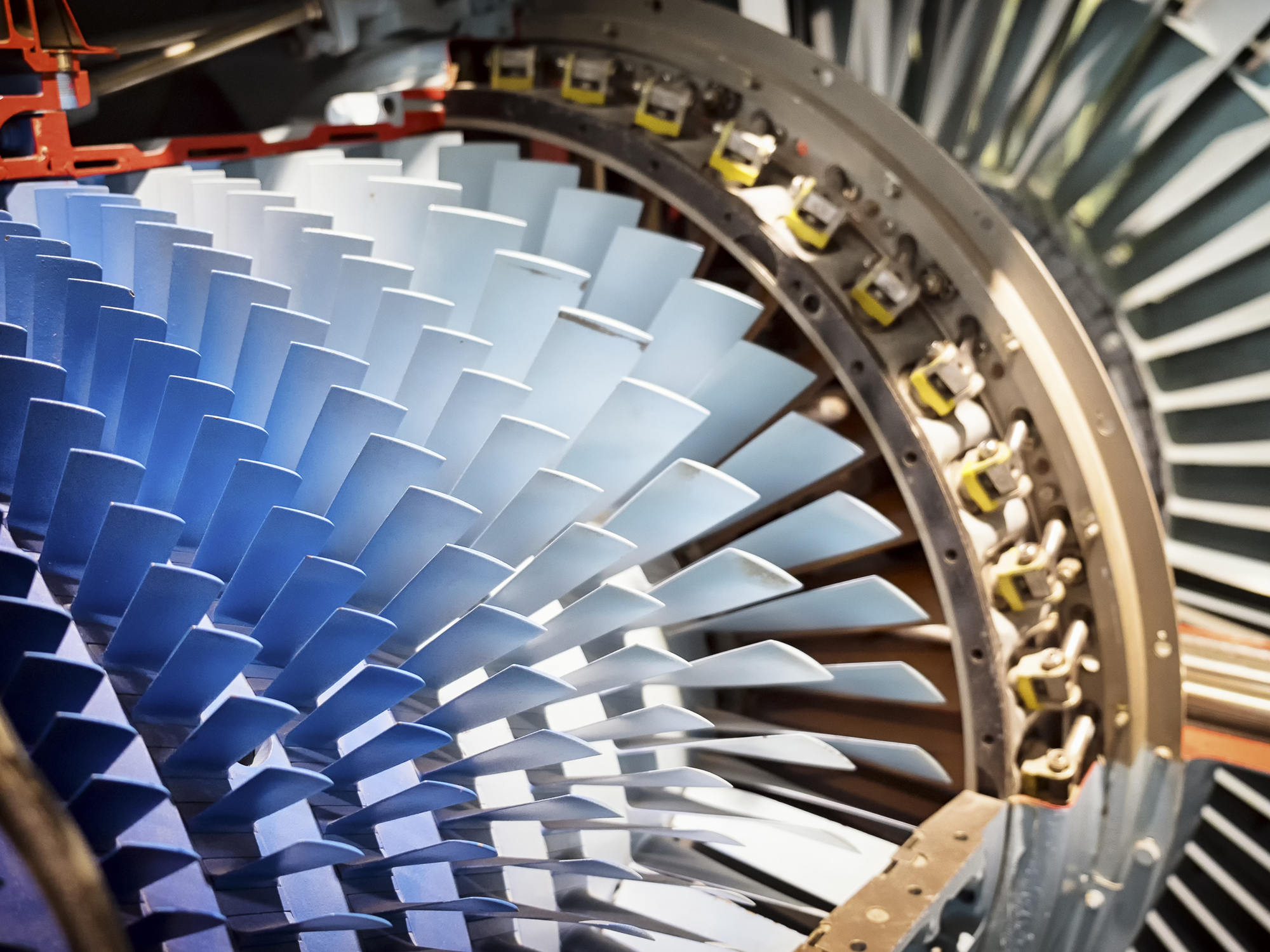
How a Worn Compressor Blade Reached the Workshop
A procurement manager at a Middle East power plant contacted a forging supplier after a fleet-modernization audit exposed severe wear on the first-stage rows. The facility had no original drawings; decades of field repairs had left the records incomplete. Technicians shipped several used samples taken during a shutdown so the supplier could perform 3D scanning and reverse engineering. The goal was straightforward: reproduce each compressor blade with a reliable fit and a forging grain structure suited to hot section rotation.
The supplier scanned the surviving samples, rebuilt the geometry digitally, and produced forged blade batches through its precision process. Multiple deliveries matched the original profiles, seated correctly on the rotor, and ran with stable vibration behavior. The power plant restored output without waiting for an OEM drawing package that might never arrive.
Cast components cool with a random, non-directional crystal structure. Under cyclic thermal and centrifugal loads, that structure becomes a natural starting point for fatigue cracking. A small surface defect grows with every start-stop cycle until a bladelet separates. Running cracked parts past inspection is a gamble: a single released fragment can damage downstream stages and extend the outage window by weeks.
Forging compresses the metal along the load path, aligning the grain flow with the part's actual stress directions. That continuous grain structure is why a forged blade resists fatigue cracking far better than a cast one. Nickel superalloy grades such as Inconel 718 hold strength at hot section temperatures, and forging preserves that strength where it matters most.
The cast vs forged gap is visible in the failure record, not just the spec sheet. Cast parts suit low-stress static housings; forged parts suit rotating, load-bearing, temperature-cycled components. On a gas turbine, the compressor and the hotter stages punish any weakness.
Buyers should request documented quality systems before ordering. A supplier holding ISO 9001 demonstrates controlled processes from incoming nickel superalloy to final inspection. Where applicable, parts made to ASME or API material references give procurement a recognizable benchmark for chemistry and test method. Ask for material certificates, hardness and dye-penetrant reports, and a dimensional record tied to the scanned sample.
Plan the blade replacement around the next planned outage window rather than waiting for a trip. Map the first-stage rows, budget lead time for forged reproduction, and stage spares so the rotor comes back together once. During the stop, inspect every compressor blade for tip wear, cracking, and rub marks; replace the worst rows and keep the rest on a watch list. A disciplined schedule protects service life and keeps thermal efficiency where the design intended.
Question 1: Why do power plants replace a compressor blade with a forged one instead of recasting it? Answer: Forging aligns the grain flow with rotational stress, which raises fatigue cracking resistance and creep resistance in hot section duty. A cast part cools with random crystals that weaken under cyclic load. Forged reproduction also restores fit from a scanned sample when drawings are missing, so the gas turbine returns to service faster and runs with steadier vibration and predictable balance.
Question 2: What failure modes appear when old cast blades keep running? Answer: The main risks are fatigue cracking at stress concentrations, creep sag that causes rotor rub, and sudden imbalance if a bladelet releases. Each event can trip the unit and stretch the outage window. A worn compressor blade also leaks flow, lowering thermal efficiency and raising fuel cost. Scheduled inspection during a planned stop catches these defects before they become forced outages and major damage.
Question 3: How can a supplier rebuild a blade when no drawings exist? Answer: The process uses 3D scanning of surviving worn samples, reverse engineering of the original profile, and precision forging of a nickel superalloy blank. The new compressor blade is matched to the scanned geometry and checked against the rotor seat. This approach, proven in Middle East power plant refurbishment, delivers reliable fit without waiting for an OEM drawing package that may no longer exist or be traceable.
Question 4: Which standards should procurement check before buying forged parts? Answer: Look for ISO 9001 certification and, where relevant, ASME or API material references for turbine components. Request material certificates, dye-penetrant and hardness test reports, and a dimensional record linked to the scanned sample. Verified paperwork confirms the forged blade meets chemistry and inspection rules, turning the purchase into a controlled, auditable supply rather than an unverified gamble on the shelf.
Question 5: When is the right time to schedule a blade replacement? Answer: Schedule it inside the next planned outage window, not after a forced trip. Map the first-stage rows, order forged reproduction early, and inspect every compressor blade for wear, cracks, and rub during the stop. Replace the worst rows and track the rest. This discipline protects service life, keeps the gas turbine balanced, and preserves thermal efficiency across the full operating cycle without surprises.